
- Browse Category
Subjects
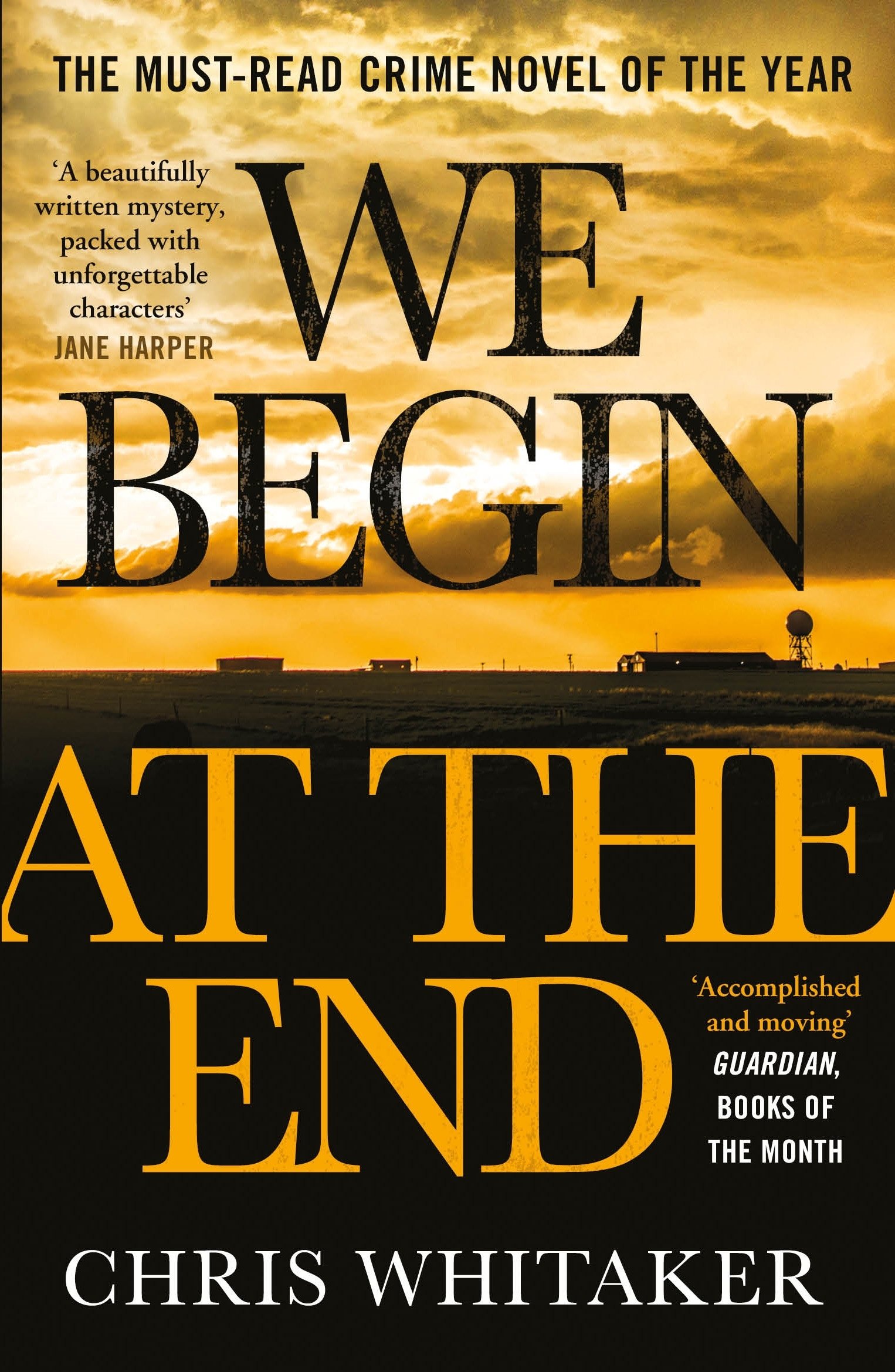 We Begin at the EndLearn More
 - Choice Picks
- Top 100 Free Books
- Blog
- Recently Added
- Submit your eBook
- Browse Category
We Begin at the EndLearn More
- Choice Picks
- Top 100 Free Books
- Blog
- Recently Added
- Submit your eBook
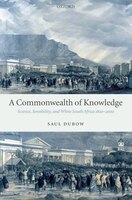
A Commonwealth Of Knowledge: Science, Sensibility, and White South Africa 1820-2000
2020-11-24 07:18:13
A Commonwealth of Knowledge addresses the relationship between social and scientific thought, colonial identity, and political power in nineteenth- and twentieth-century South Africa. It hinges on the tension between colonial knowledge, conceived of ...
Read more
A Commonwealth of Knowledge addresses the relationship between social and scientific thought, colonial identity, and political power in nineteenth- and twentieth-century South Africa. It hinges on the tension between colonial knowledge, conceived of as a universal, modernizing force, and itsrealization in the context of a society divided along complex ethnic and racial fault-lines. By means of detailed analysis of colonial cultures, literary and scientific institutions, and expert historical thinking about South Africa and its peoples, it demonstrates the ways in which the cultivationof knowledge has served to support white political ascendancy and claims to nationhood.In a sustained commentary on modern South African historiography, the significance of `broad'' South Africanism - a political tradition designed to transcend differences between white English- and Afrikaans-speakers - is emphasized. A Commonwealth of Knowledge also engages with wider comparativedebates. These include the nature of imperial and colonial knowledge systems; the role of intellectual ideas and concepts in constituting ethnic, racial, and regional identities; the dissemination of ideas between imperial metropole and colonial periphery; the emergence of amateur and professionalintellectual communities; and the encounter between imperial and indigenous or local knowledge systems. The book has broad scope. It opens with a discussion of civic institutions (eg. museums, libraries, botanical gardens and scientific societies), and assesses their role in creating a distinctivesense of Cape colonial identity; the book goes on to discuss the ways in which scientific and other forms of knowledge contributed to the development of a capacious South Africanist patriotism compatible with continued membership of the British Commonwealth; it concludes with reflections on thetechno-nationalism of the apartheid state and situates contemporary concerns like the `African Renaissance'', and responses to HIV/AIDS, in broad historical context.
Less

Compare Prices
| Store | Availability | Book Format | Condition | Price |
|---|---|---|---|---|
| Indigo Books & Music | In Stock | Buy CAD 382.50 |
Available Discount
No Discount available
Related Books
View All
Falter: Has the Human Game Begun to Play Itself Out?

Commander in Cheat: How Golf Explains Trump
The Wonderful Things You Will Be

Feed Your Best Friend Better: Easy, Nutritious Meals and Treats for Dogs

Made for Me
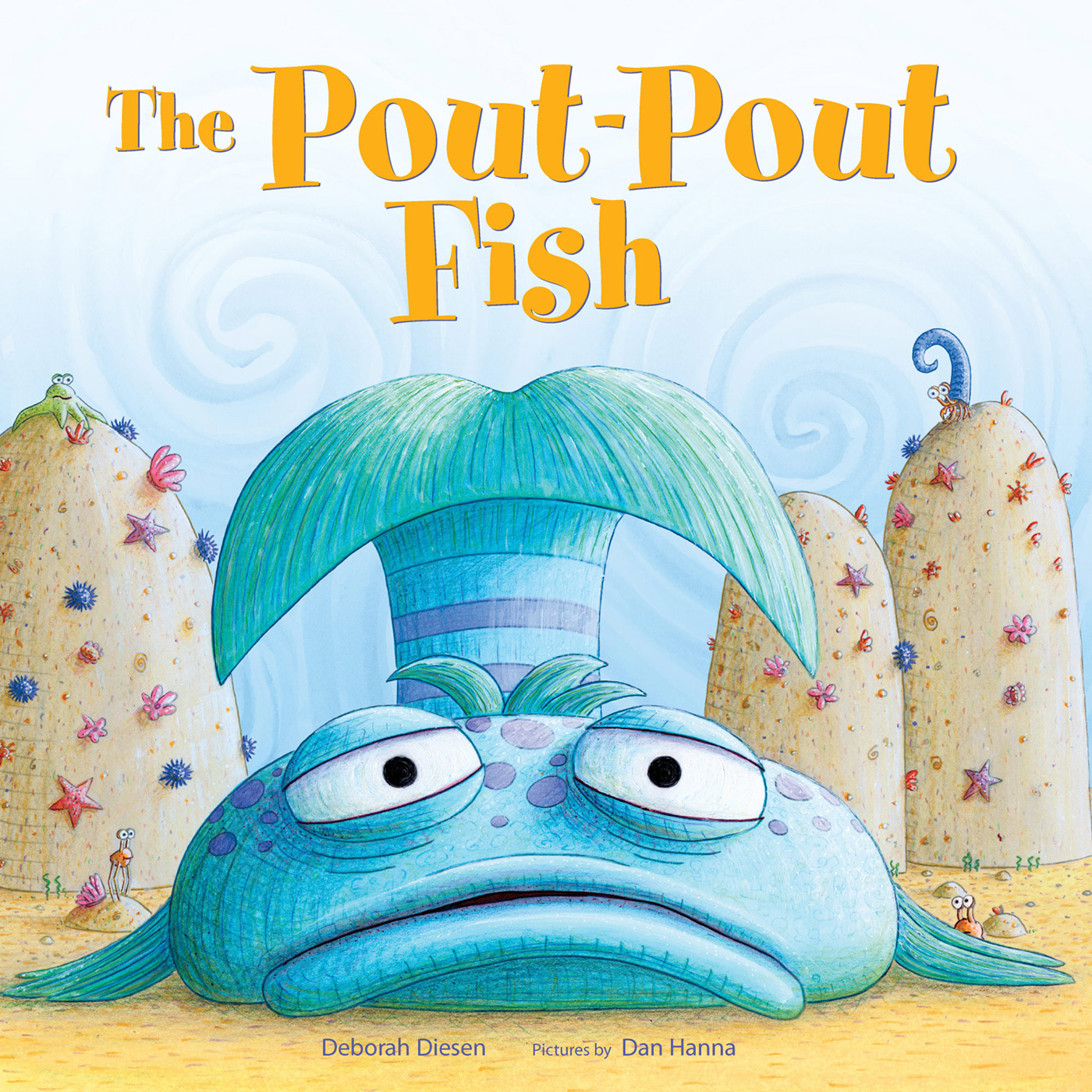
The Pout-Pout Fish
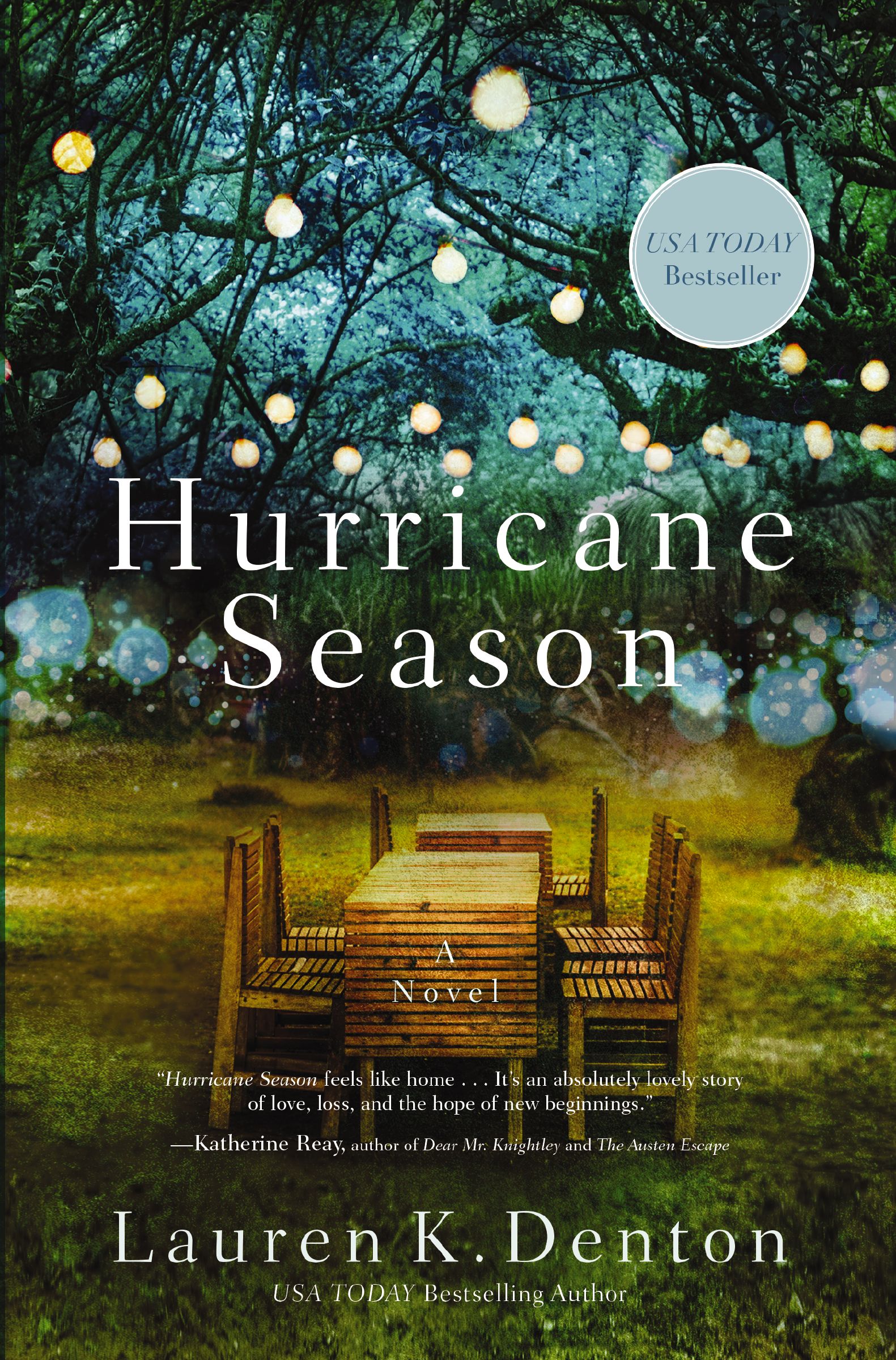
Hurricane Season

You Be You: Detox Your Life, Crush Your Limitations, and Own Your Awesome

We Are Not Friends (You Are Not Small)

Going to School
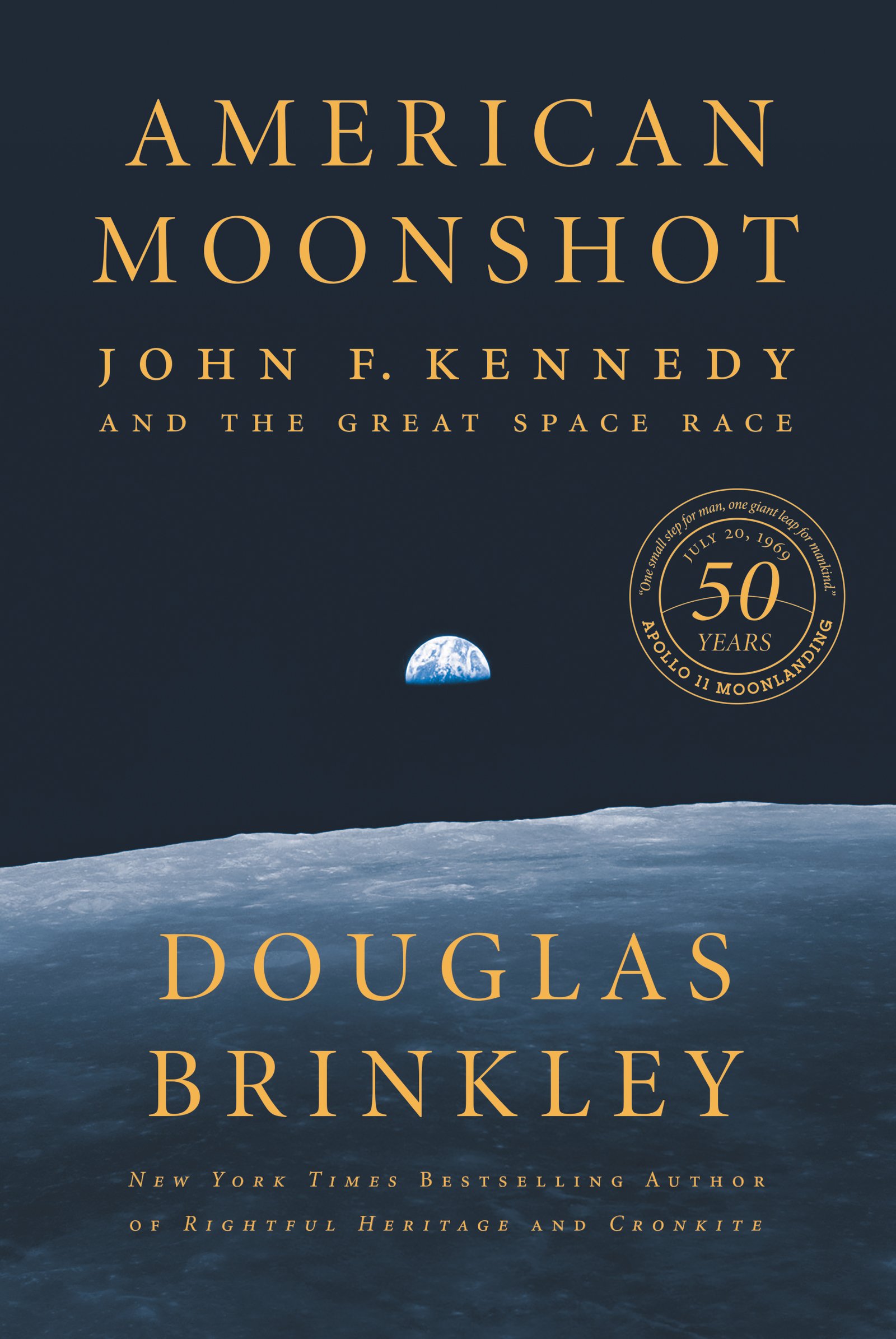
American Moonshot: John F. Kennedy and the Great Space Race

Twinkle, Twinkle, Little Star (Indestructibles Series)

Row, Row, Row Your Boat (Indestructibles Series)

There Was an Old Lady Who Swallowed a Chick!
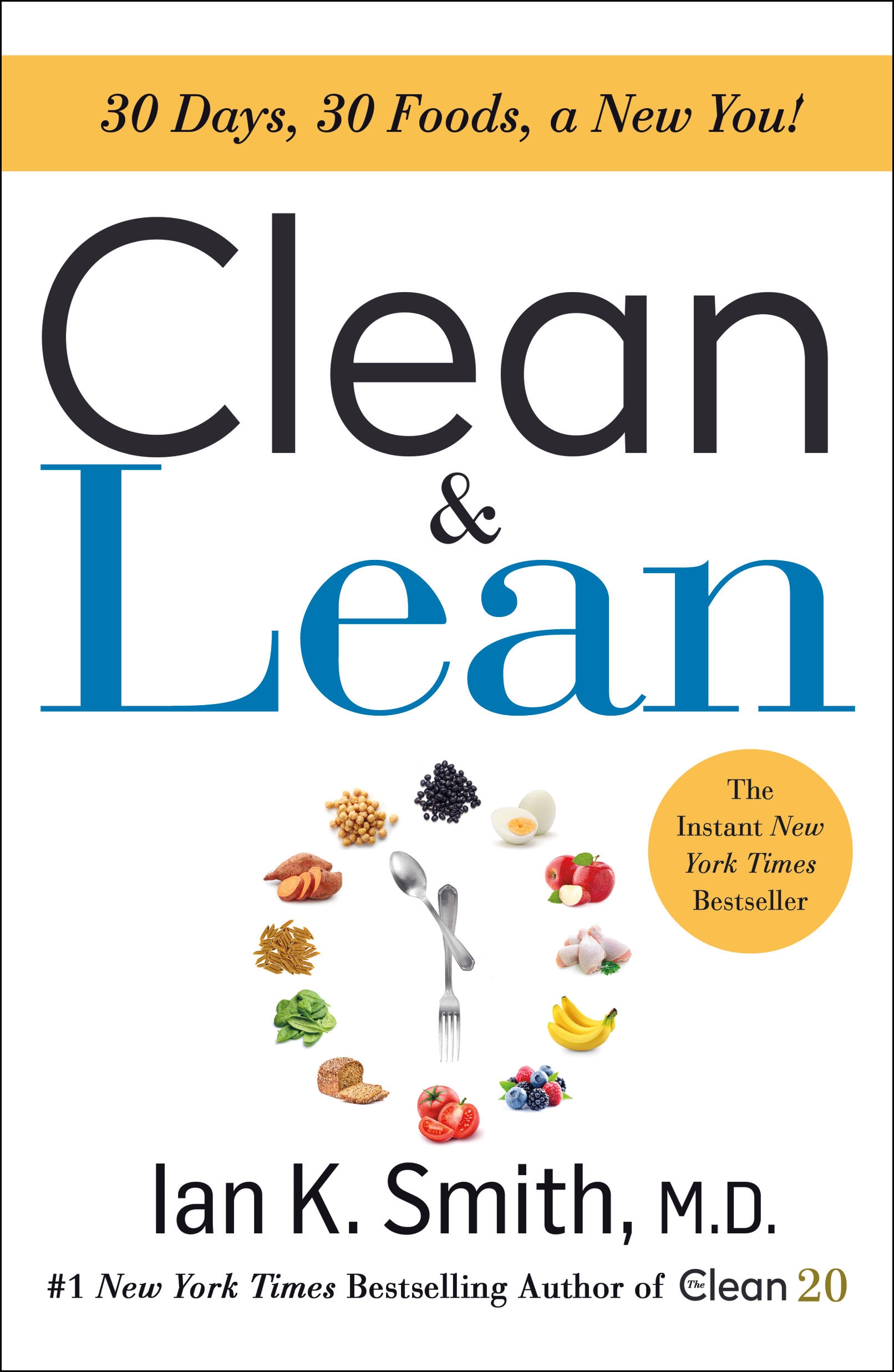
Clean & Lean: 30 Days, 30 Foods, a New You!

Life Will Be the Death of Me: ...And You Too!

Good Night, Little Blue Truck

The Secret Wife: A captivating story of romance, passion and mystery

House of Shadows: An Enthralling Historical Mystery
Secrets Between Us: An absolutely gripping psychological thriller
Trillion Dollar Coach: The Leadership Playbook of Silicon Valley's Bill Campbell

The Book Club
Can't Make This Stuff Up!: Finding the Upside to Life's Downs

The Silent Woman (Cat Carlisle, Book 1)
Diary of an Awesome Friendly Kid: Rowley Jefferson's Journal

Settings
Reflow text when sidebars are open.
