
- Browse Category
Subjects
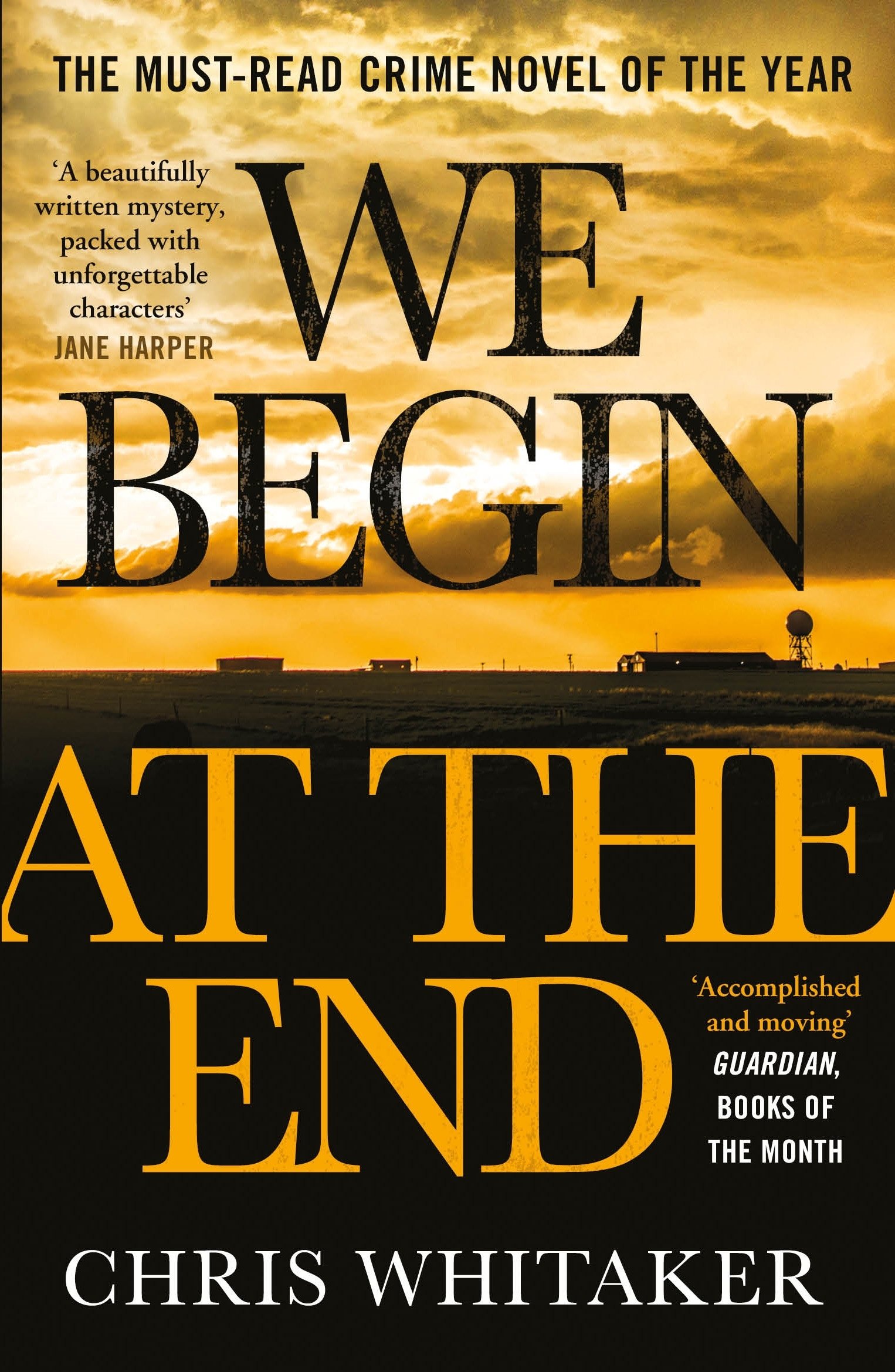 We Begin at the EndLearn More
 - Choice Picks
- Top 100 Free Books
- Blog
- Recently Added
- Submit your eBook
- Browse Category
We Begin at the EndLearn More
- Choice Picks
- Top 100 Free Books
- Blog
- Recently Added
- Submit your eBook

After the Fall
2020-07-14 22:59:25
Robust financial markets support capitalism, they don't imperil it. But in 2008, Washington policymakers were compelled to replace private risk-takers in the financial system with government capital so that money and credit flows wouldn't stop, preci...
Read more
Robust financial markets support capitalism, they don't imperil it. But in 2008, Washington policymakers were compelled to replace private risk-takers in the financial system with government capital so that money and credit flows wouldn't stop, precipitating a depression.
Washington's actions weren't the start of government distortions in the financial industry, Nicole Gelinas writes, but the natural result of 25 years' worth of such distortions.
In the early eighties, modern finance began to escape reasonable regulations, including the most important regulation of all, that of the marketplace. The government gradually adopted a "too big to fail" policy for the largest or most complex financial companies, saving lenders to failing firms from losses. As a result, these companies became impervious to the vital market discipline that the threat of loss provides.
Adding to the problem, Wall Street created financial instruments that escaped other reasonable limits, including gentle constraints on speculative borrowing and requirements for the disclosure of important facts.
The financial industry eventually posed an untenable risk to the economy -- a risk that culminated in the trillions of dollars' worth of government bailouts and guarantees that Washington scrambled starting in late 2008.
Even as banks and markets seem to heal, lenders to financial companies continue to understand that the government would protect them in the future if necessary. This implicit guarantee harms economic growth, because it forces good companies to compete against bad.
History and recent events make clear what Washington must do.
First, policymakers must reintroduce market discipline to the financial world. They can do so by re-creating a credible, consistent way in which big financial companies can fail, with lenders taking their warranted losses. Second, policymakers can reapply prudent financial regulations so that markets, and the economy, can better withstand inevitable excesses of optimism and pessimism. Sensible regulations have worked well in the past and can work well again.
As Gelinas explains in this richly detailed book, adequate regulation of financial firms and markets is a prerequisite for free-market capitalism -- not a barrier to it.
LessWashington's actions weren't the start of government distortions in the financial industry, Nicole Gelinas writes, but the natural result of 25 years' worth of such distortions.
In the early eighties, modern finance began to escape reasonable regulations, including the most important regulation of all, that of the marketplace. The government gradually adopted a "too big to fail" policy for the largest or most complex financial companies, saving lenders to failing firms from losses. As a result, these companies became impervious to the vital market discipline that the threat of loss provides.
Adding to the problem, Wall Street created financial instruments that escaped other reasonable limits, including gentle constraints on speculative borrowing and requirements for the disclosure of important facts.
The financial industry eventually posed an untenable risk to the economy -- a risk that culminated in the trillions of dollars' worth of government bailouts and guarantees that Washington scrambled starting in late 2008.
Even as banks and markets seem to heal, lenders to financial companies continue to understand that the government would protect them in the future if necessary. This implicit guarantee harms economic growth, because it forces good companies to compete against bad.
History and recent events make clear what Washington must do.
First, policymakers must reintroduce market discipline to the financial world. They can do so by re-creating a credible, consistent way in which big financial companies can fail, with lenders taking their warranted losses. Second, policymakers can reapply prudent financial regulations so that markets, and the economy, can better withstand inevitable excesses of optimism and pessimism. Sensible regulations have worked well in the past and can work well again.
As Gelinas explains in this richly detailed book, adequate regulation of financial firms and markets is a prerequisite for free-market capitalism -- not a barrier to it.

Compare Prices
| Store | Availability | Book Format | Condition | Price |
|---|---|---|---|---|
| Walmart eBooks by Rakuten Kobo | In Stock | Buy USD 13.59 |
Available Discount
No Discount available
Related Books
View All
The Future of the American Negro

Pygmies and Papuans

Bibliomania in the Middle Ages

Are Women People? A Book of Rhymes for Suffrage Times

History of Woman Suffrage, Volume I

War and the Future: Italy, France and Britain at War

Against Home Rule the Case for the Union

Germania and Agricola

Kinship Organisations and Group Marriage in Australia

Empire and Wars

The wild tribes of Davao district, Mindanao

The Mafulu Mountain People of British New Guinea

The Short Constitution

A Righte Merrie Christmasse: The Story of Christ-Tide

The English Constitution

Crime and Its Causes
.jpeg)
Compilation of the Messages and Papers of the Presidents William McKinley, Messages, Proclamations, and Executive Orders Relating to the Spanish-American War

Woman & the Republic: A Survey of the Woman-Suffrage Movement in the United States and a Discussion of the Claims and Arguments of Its Foremost Advocates

The Fourth-Dimensional Reaches of The Exposition

The System of Nature, Or, the Laws of the Moral and Physical World. Volume 1

Napoleon the Little

Unconscious Memory

On Limitations to the Use of Some Anthropologic Data

Great Britain And the American Civil War

The Customs of old England

Settings
Reflow text when sidebars are open.
