
- Browse Category
Subjects
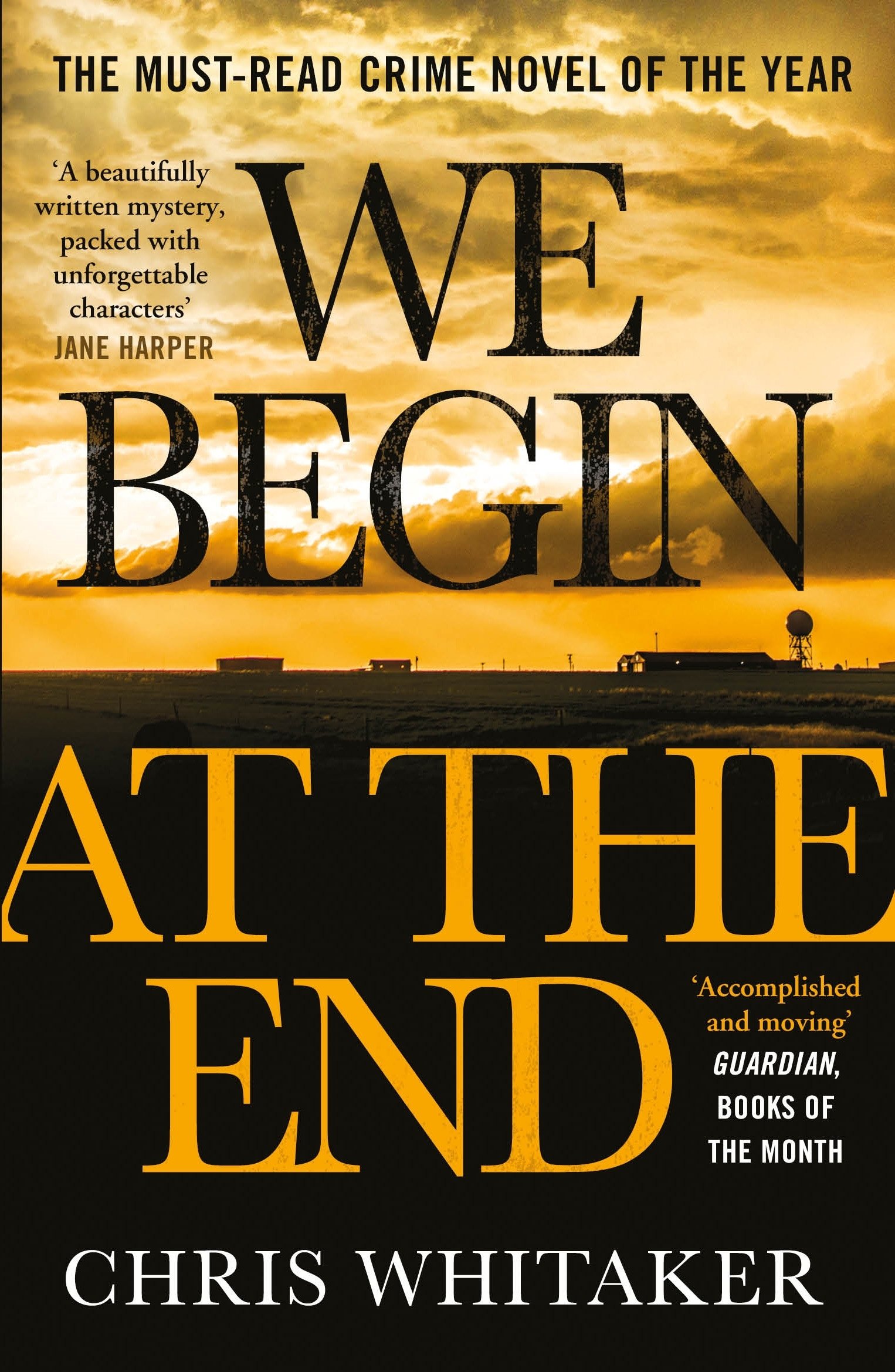 We Begin at the EndLearn More
 - Choice Picks
- Top 100 Free Books
- Blog
- Recently Added
- Submit your eBook
- Browse Category
We Begin at the EndLearn More
- Choice Picks
- Top 100 Free Books
- Blog
- Recently Added
- Submit your eBook
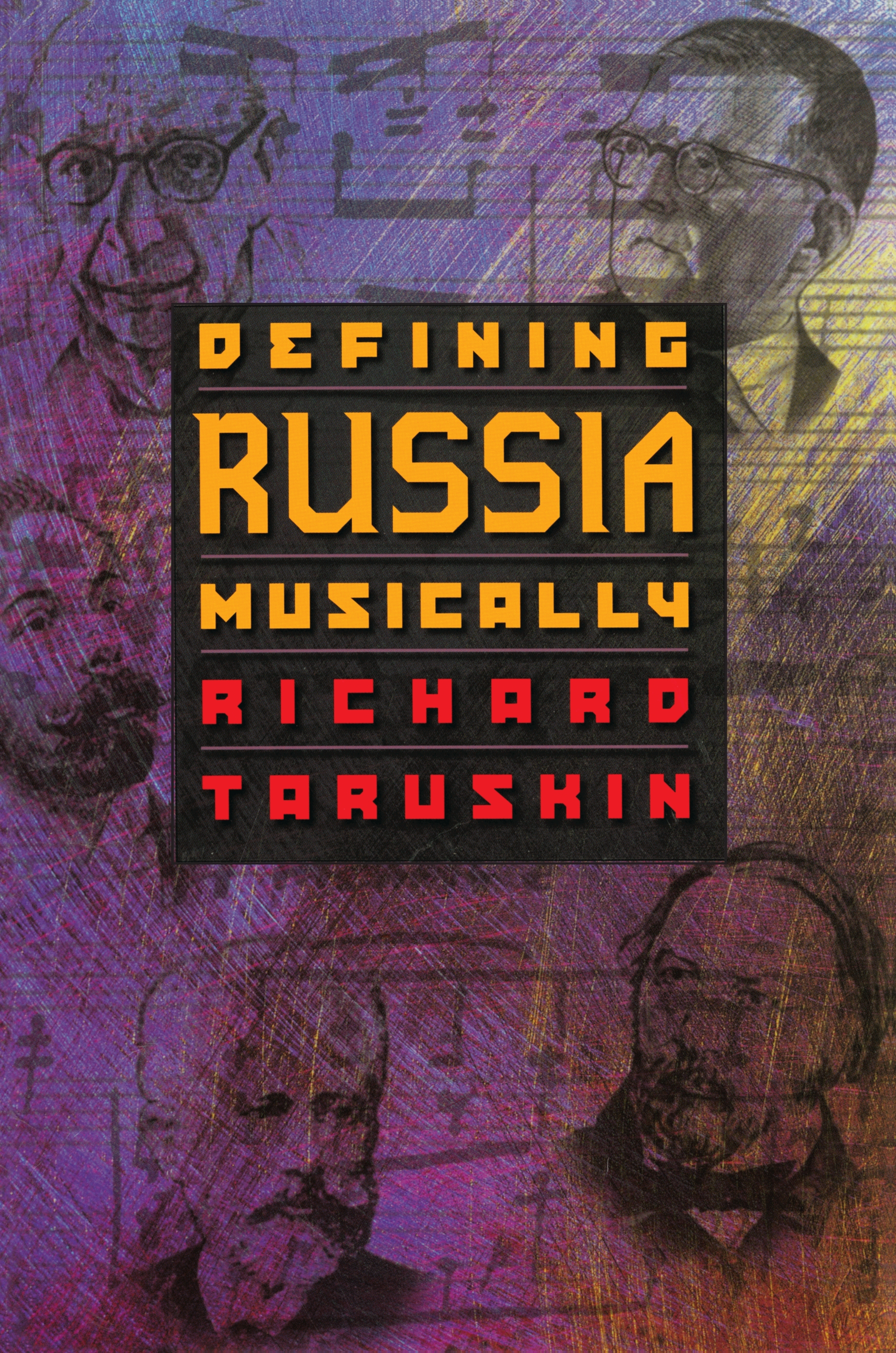
Defining Russia Musically
2020-12-30 08:18:09
The world-renowned musicologist Richard Taruskin has devoted much of his career to helping listeners appreciate Russian and Soviet music in new and sometimes controversial ways. Defining Russia Musically represents one of his landmark achievements: h...
Read more
The world-renowned musicologist Richard Taruskin has devoted much of his career to helping listeners appreciate Russian and Soviet music in new and sometimes controversial ways. Defining Russia Musically represents one of his landmark achievements: here Taruskin uses music, together with history and politics, to illustrate the many ways in which Russian national identity has been constructed, both from within Russia and from the Western perspective. He contends that it is through music that the powerful myth of Russia''s "national character" can best be understood. Russian art music, like Russia itself, Taruskin writes, has "always [been] tinged or tainted ... with an air of alterity--sensed, exploited, bemoaned, reveled in, traded on, and defended against both from within and from without." The author''s goal is to explore this assumption of otherness in an all-encompassing work that re-creates the cultural contexts of the folksong anthologies of the 1700s, the operas, symphonies, and ballets of the 1800s, the modernist masterpieces of the 1900s, and the hugely fraught but ambiguous products of the Soviet period.
Taruskin begins by showing how enlightened aristocrats, reactionary romantics, and the theorists and victims of totalitarianism have variously fashioned their vision of Russian society in musical terms. He then examines how Russia as a whole shaped its identity in contrast to an "East" during the age of its imperialist expansion, and in contrast to two different musical "Wests," Germany and Italy, during the formative years of its national consciousness. The final section, expanded from a series of Christian Gauss seminars presented at Princeton in 1993, focuses on four individual composers, each characterized both as a self-consciously Russian creator and as a European, and each placed in perspective within a revealing hermeneutic scheme. In the culminating chapters--Chaikovsky and the Human, Scriabin and the Superhuman, Stravinsky and the Subhuman, and Shostakovich and the Inhuman--Taruskin offers especially thought-provoking insights, for example, on Chaikovsky''s status as the "last great eighteenth-century composer" and on Stravinsky''s espousal of formalism as a reactionary, literally counterrevolutionary move.
Less
Compare Prices
| Store | Availability | Book Format | Condition | Price |
|---|---|---|---|---|
| Indigo Books & Music | In Stock | Buy CAD 98.99 | ||
| eBooks.com | In Stock | PDF (encrypted) | PDF (encrypted) | Buy AUD 105.11 |
Available Discount
No Discount available
Related Books
View All
The Wonderful Things You Will Be

Made for Me

The Silent Woman (Cat Carlisle, Book 1)

Going to School

The Secret Wife: A captivating story of romance, passion and mystery

Feed Your Best Friend Better: Easy, Nutritious Meals and Treats for Dogs
Diary of an Awesome Friendly Kid: Rowley Jefferson's Journal
Trillion Dollar Coach: The Leadership Playbook of Silicon Valley's Bill Campbell
Can't Make This Stuff Up!: Finding the Upside to Life's Downs
Hurricane Season

Good Night, Little Blue Truck
Falter: Has the Human Game Begun to Play Itself Out?

House of Shadows: An Enthralling Historical Mystery
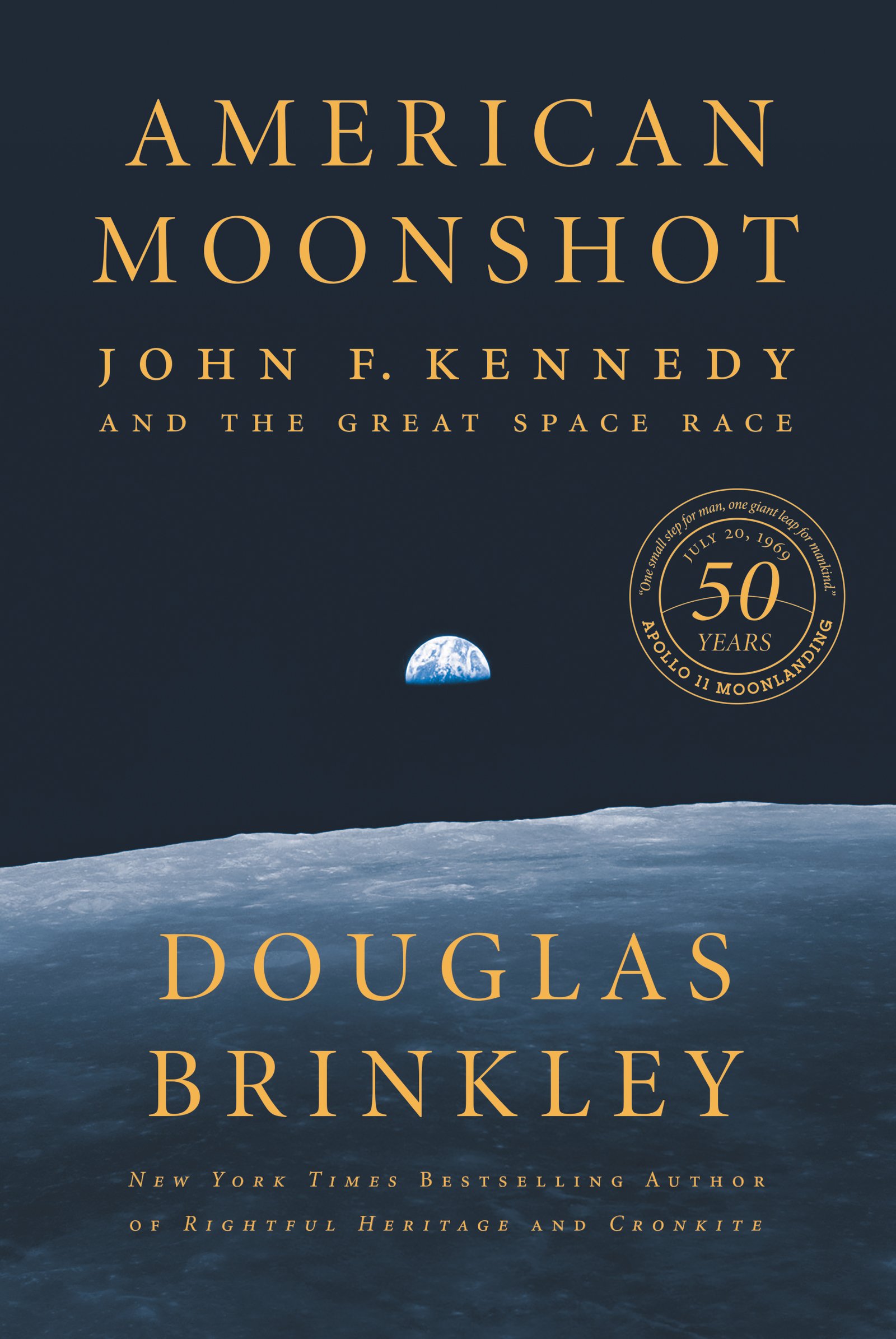
American Moonshot: John F. Kennedy and the Great Space Race
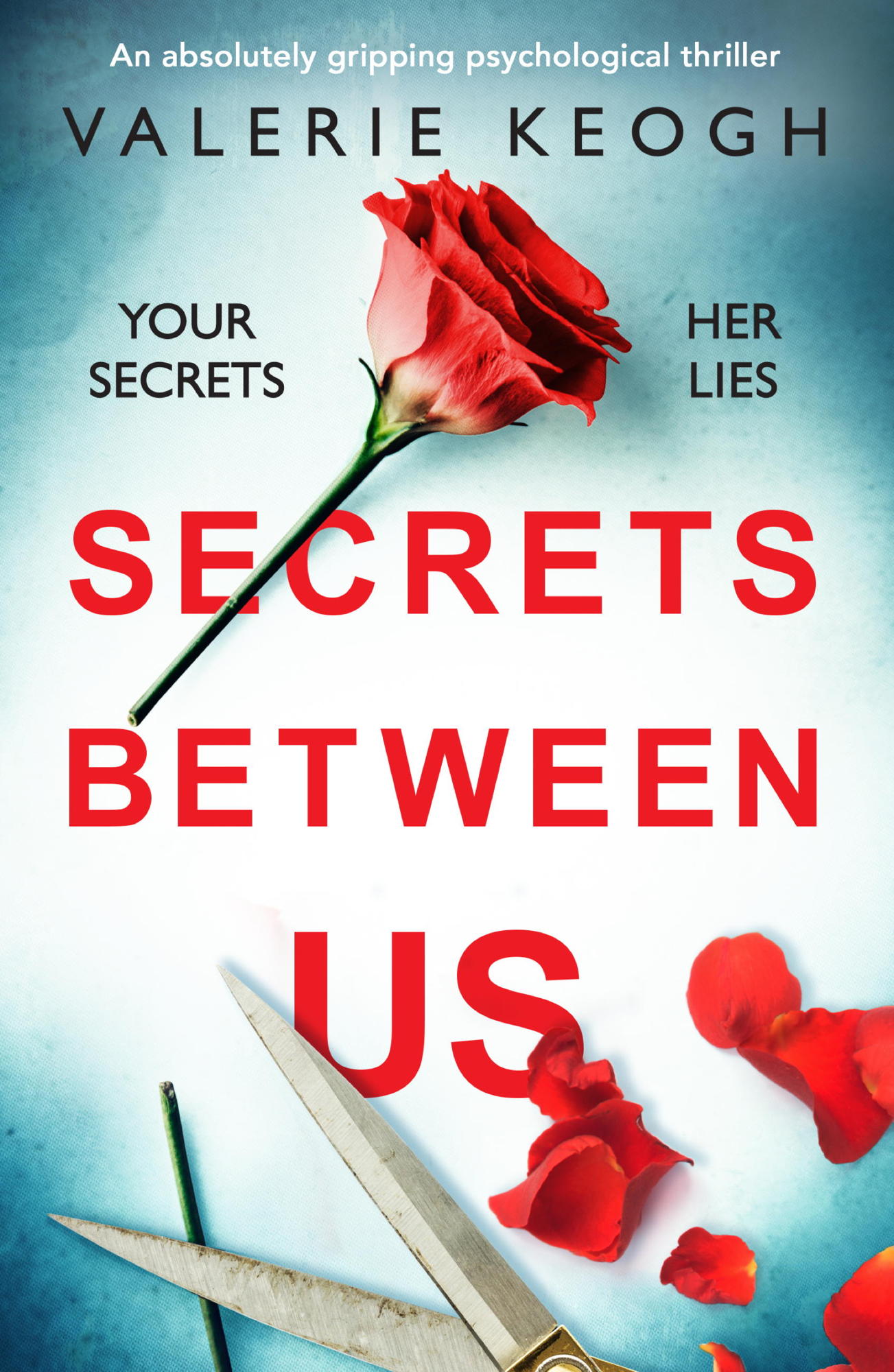
Secrets Between Us: An absolutely gripping psychological thriller

You Be You: Detox Your Life, Crush Your Limitations, and Own Your Awesome
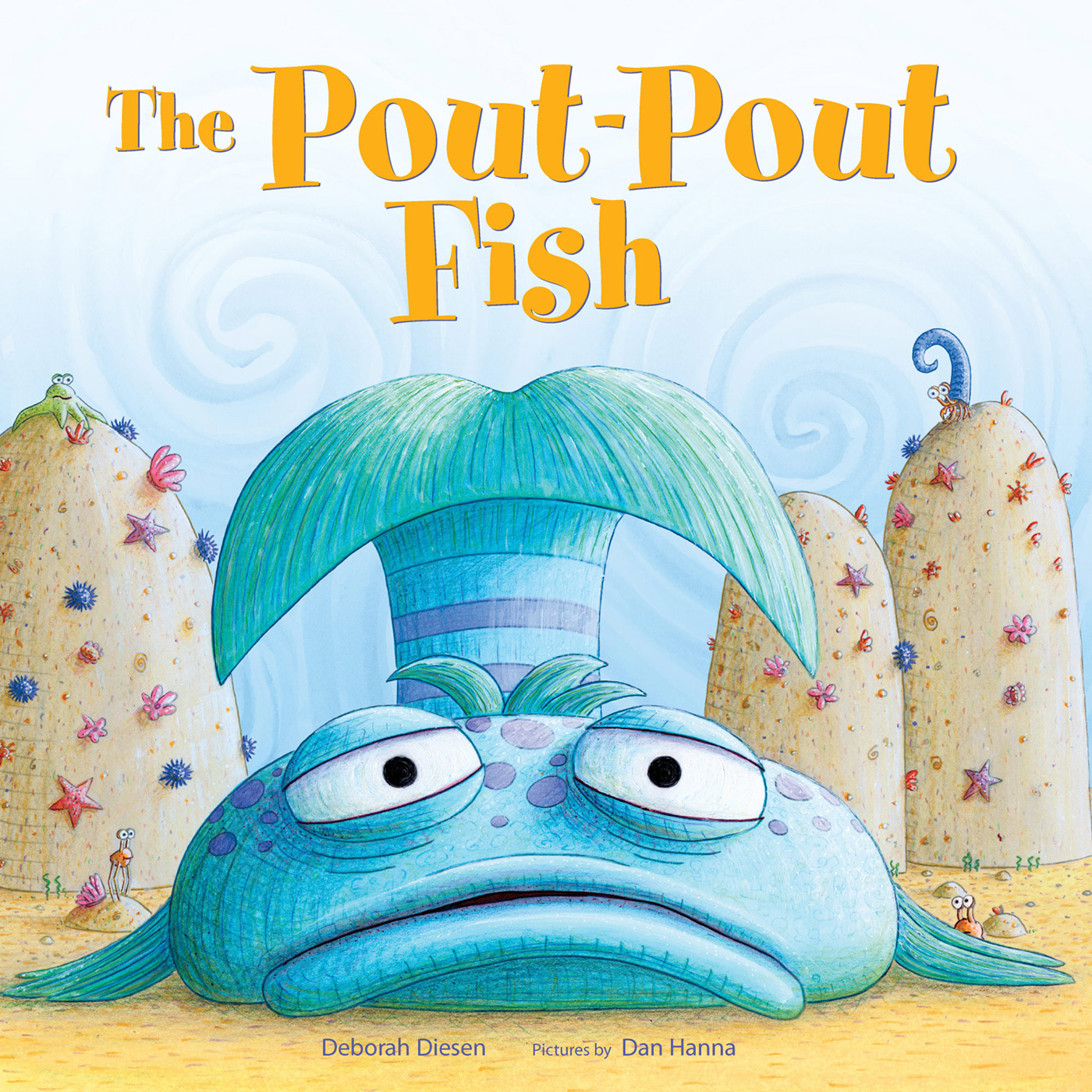
The Pout-Pout Fish

The Book Club

We Are Not Friends (You Are Not Small)
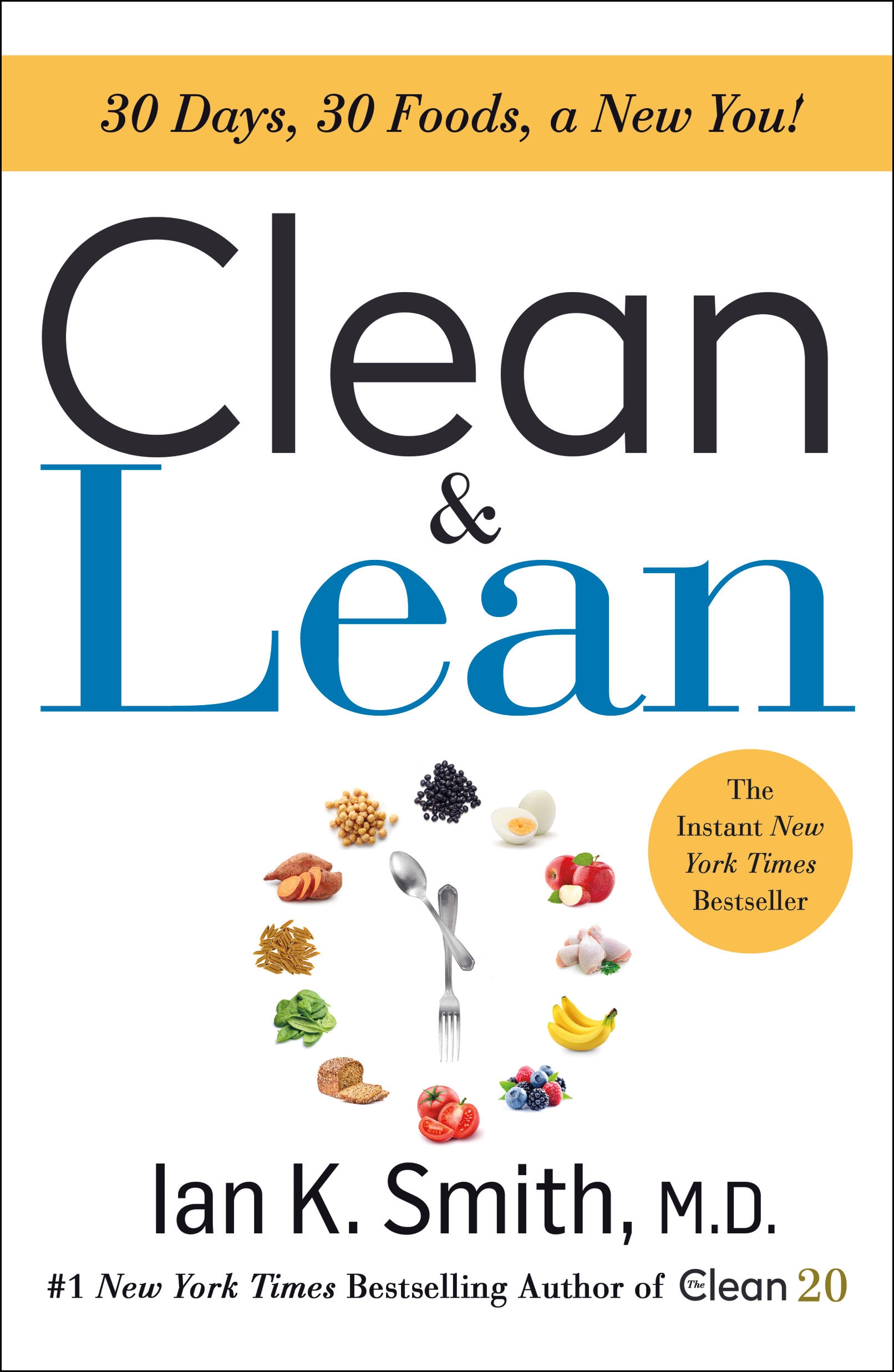
Clean & Lean: 30 Days, 30 Foods, a New You!
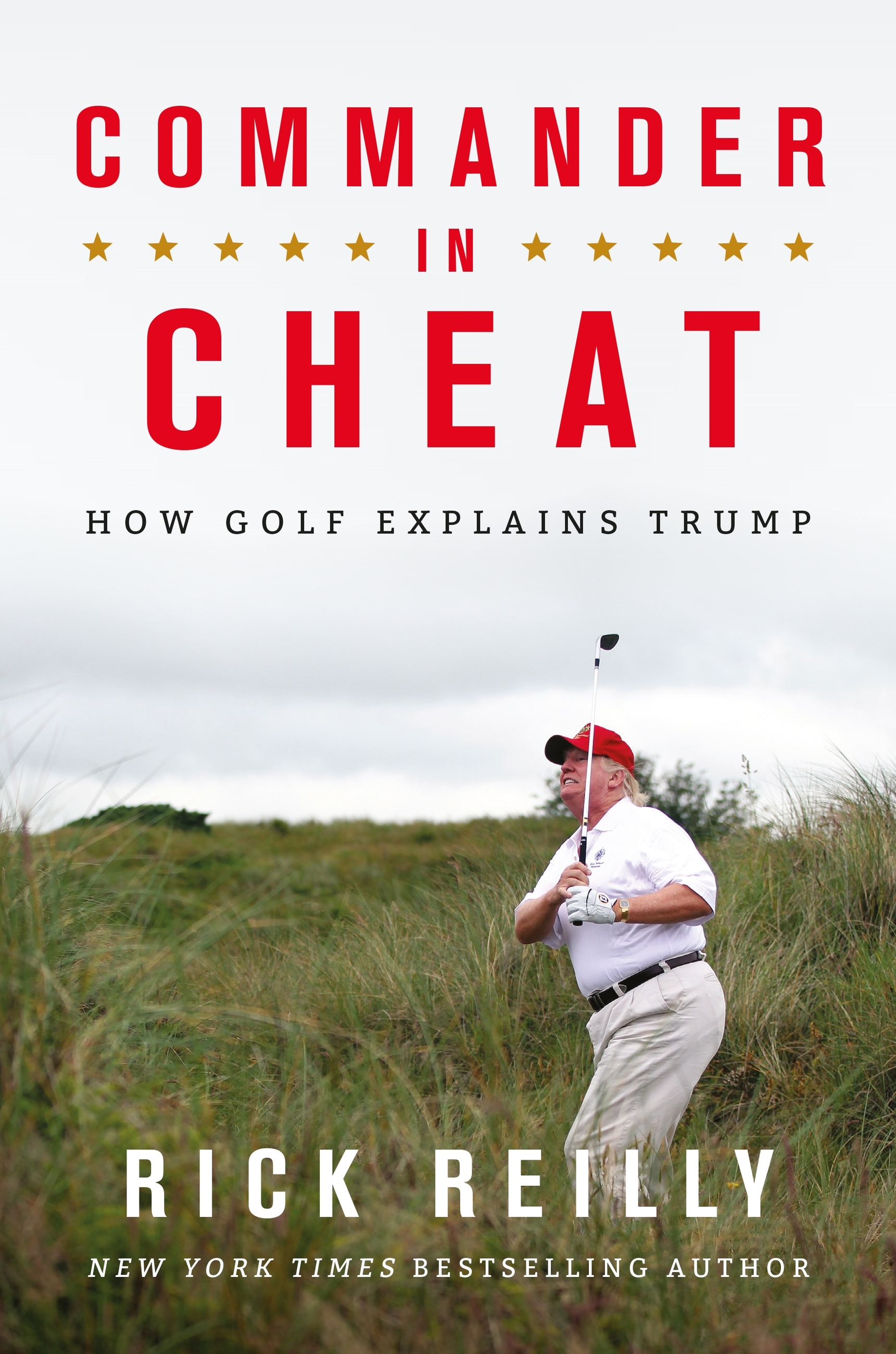
Commander in Cheat: How Golf Explains Trump

Life Will Be the Death of Me: ...And You Too!

There Was an Old Lady Who Swallowed a Chick!

Row, Row, Row Your Boat (Indestructibles Series)

Twinkle, Twinkle, Little Star (Indestructibles Series)

Settings
Reflow text when sidebars are open.
