
- Browse Category
Subjects
 We Begin at the EndLearn More
 - Choice Picks
- Top 100 Free Books
- Blog
- Recently Added
- Submit your eBook
- Browse Category
We Begin at the EndLearn More
- Choice Picks
- Top 100 Free Books
- Blog
- Recently Added
- Submit your eBook

Evolutionary Games in Natural, Social, and Virtual Worlds
2021-01-07 00:57:00
Over the last 25 years, evolutionary game theory has grown with theoretical contributions from the disciplines of mathematics, economics, computer science and biology. It is now ripe for applications. In this book, Daniel Friedman—-an economist ...
Read more
Over the last 25 years, evolutionary game theory has grown with theoretical contributions from the disciplines of mathematics, economics, computer science and biology. It is now ripe for applications. In this book, Daniel Friedman—-an economist trained in mathematics—-and Barry Sinervo—-a biologist trained in mathematics—-offer the first unified account of evolutionary game theory aimed at applied researchers. They show how to use a single set of tools to build useful models for three different worlds: the natural world studied by biologists; the social world studied by anthropologists, economists, political scientists and others; and the virtual world built by computer scientists and engineers. The first six chapters offer an accessible introduction to core concepts of evolutionary game theory. These include fitness, replicator dynamics, sexual dynamics, memes and genes, single and multiple population games, Nash equilibrium and evolutionarily stable states, noisy best response and other adaptive processes, the Price equation, and cellular automata. The material connects evolutionary game theory with classic population genetic models, and also with classical game theory. Notably, these chapters also show how to estimate payoff and choice parameters from the data. The last eight chapters present exemplary game theory applications. These include a new coevolutionary predator-prey learning model extending rock-paper-scissors; models that use human subject laboratory data to estimate learning dynamics; new approaches to plastic strategies and life cycle strategies, including estimates for male elephant seals; a comparison of machine learning techniques for preserving diversity to those seen in the natural world; analyses of congestion in traffic networks (either internet or highways) and the "price of anarchy"; environmental and trade policy analysis based on evolutionary games; the evolution of cooperation; and speciation. As an aid for instruction, a web site provides downloadable computational tools written in the R programming language, Matlab, Mathematica and Excel.
Less

Compare Prices
| Store | Availability | Book Format | Condition | Price |
|---|---|---|---|---|
| Indigo Books & Music | In Stock | Buy CAD 78.87 |
Available Discount
No Discount available
Related Books
View All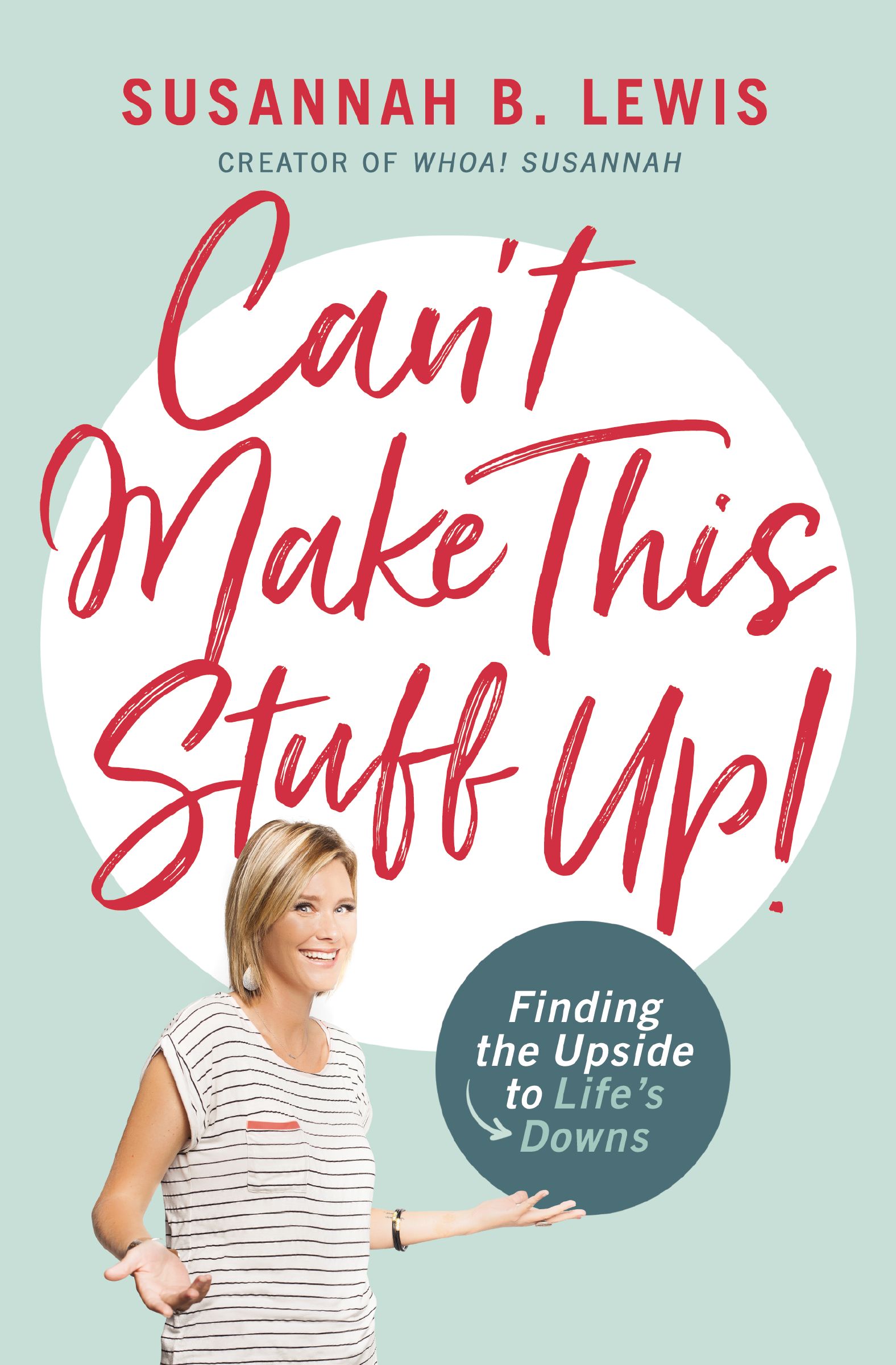
Can't Make This Stuff Up!: Finding the Upside to Life's Downs

We Are Not Friends (You Are Not Small)

The Silent Woman (Cat Carlisle, Book 1)

The Secret Wife: A captivating story of romance, passion and mystery

Made for Me

The Wonderful Things You Will Be

Feed Your Best Friend Better: Easy, Nutritious Meals and Treats for Dogs

Diary of an Awesome Friendly Kid: Rowley Jefferson's Journal

Twinkle, Twinkle, Little Star (Indestructibles Series)

Commander in Cheat: How Golf Explains Trump

There Was an Old Lady Who Swallowed a Chick!

Going to School
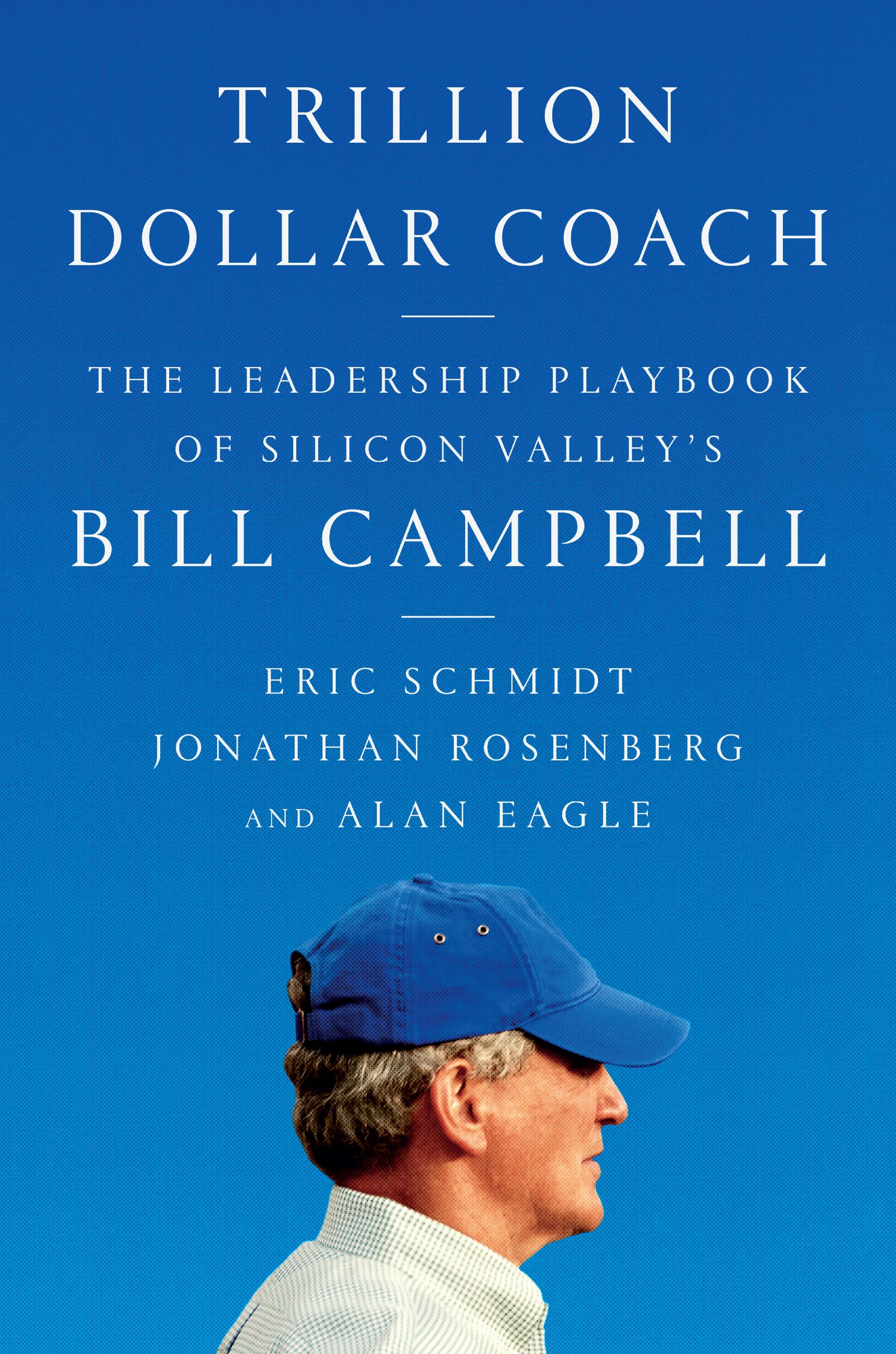
Trillion Dollar Coach: The Leadership Playbook of Silicon Valley's Bill Campbell

Secrets Between Us: An absolutely gripping psychological thriller

The Book Club

Good Night, Little Blue Truck
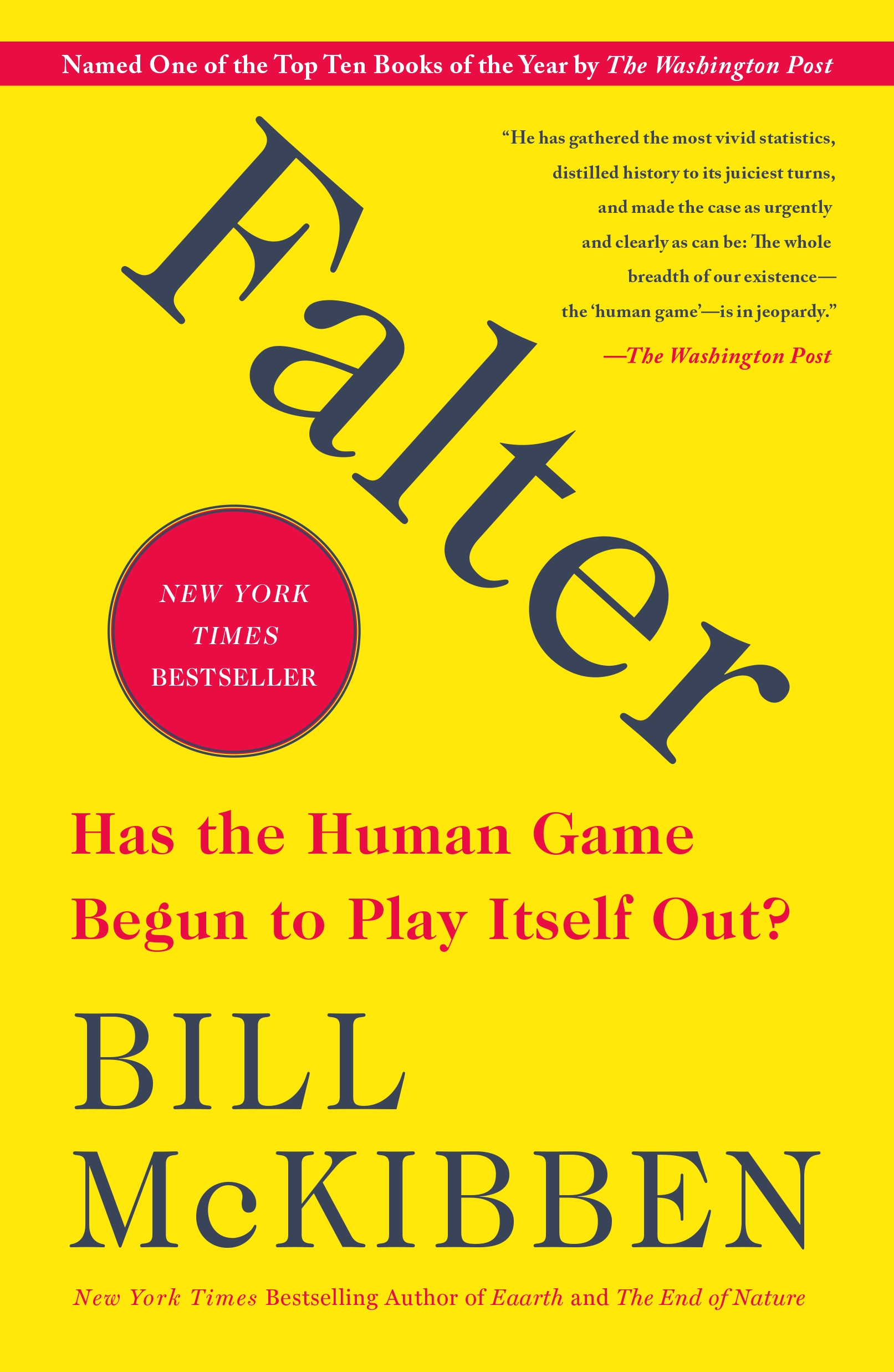
Falter: Has the Human Game Begun to Play Itself Out?
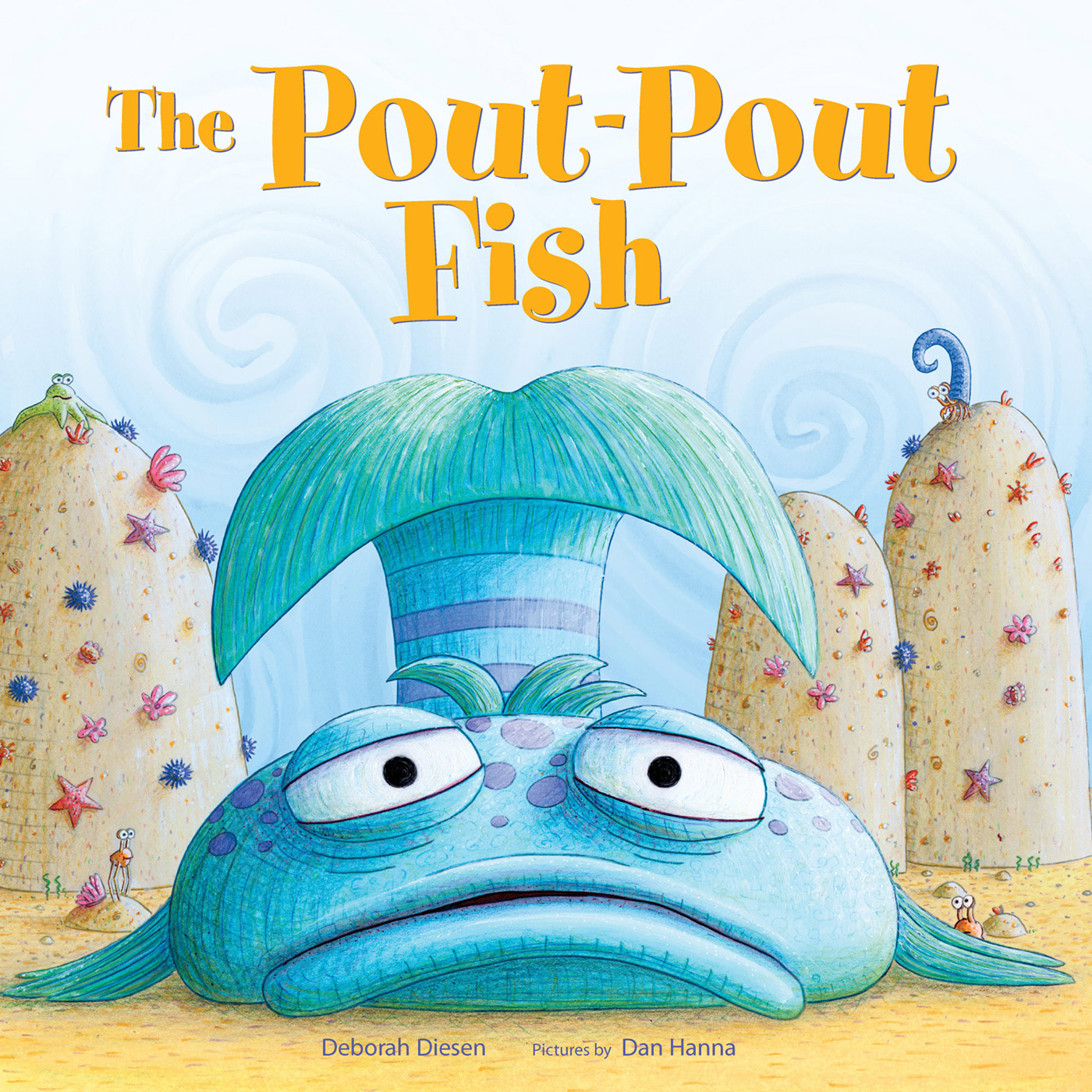
The Pout-Pout Fish

Row, Row, Row Your Boat (Indestructibles Series)

American Moonshot: John F. Kennedy and the Great Space Race

You Be You: Detox Your Life, Crush Your Limitations, and Own Your Awesome

Life Will Be the Death of Me: ...And You Too!

Clean & Lean: 30 Days, 30 Foods, a New You!

Hurricane Season

House of Shadows: An Enthralling Historical Mystery

Settings
Reflow text when sidebars are open.
