
- Browse Category
Subjects
 We Begin at the EndLearn More
 - Choice Picks
- Top 100 Free Books
- Blog
- Recently Added
- Submit your eBook
- Browse Category
We Begin at the EndLearn More
- Choice Picks
- Top 100 Free Books
- Blog
- Recently Added
- Submit your eBook
General MacArthur's Strategic Success During the Early Months of the Korean War U.S. Army Command and General Staff Coll Author
2021-04-06 21:23:58
From 1945- 1950, the United States Army transitioned from a conventional force designed for maneuver warfare in Europe to a role, which supported the Air Force in their delivery of nuclear weapons. This secondary role emerged from strategic studies c...
Read more
From 1945- 1950, the United States Army transitioned from a conventional force designed for maneuver warfare in Europe to a role, which supported the Air Force in their delivery of nuclear weapons. This secondary role emerged from strategic studies conducted by the National Security Council in response to President Truman's desire to focus military efforts against the communist East without bankrupting the nation. From this study, the National Security Council determined Communism as a threat to the free world, which triggered the start of a nuclear arms race. Determined that war would be won by the Air Force delivering nuclear weapons on targets, the Army became the bill payer at the expense of its modernization efforts. This reduction in funding limited the Army's ability to train at a collective level and forced the Army to use dated equipment from World War II. Consequently, Senior Army leaders put their faith in the advent of nuclear weapons and did not train their forces for other contingencies such as a limited war.
Less

Compare Prices
| Store | Availability | Book Format | Condition | Price |
|---|---|---|---|---|
| Barnes & Noble | In Stock | Paperback | Paperback | Buy USD 14.95 |
Available Discount
No Discount available
Related Books
View All
Feed Your Best Friend Better: Easy, Nutritious Meals and Treats for Dogs

The Secret Wife: A captivating story of romance, passion and mystery

American Moonshot: John F. Kennedy and the Great Space Race

The Book Club

You Be You: Detox Your Life, Crush Your Limitations, and Own Your Awesome

Life Will Be the Death of Me: ...And You Too!
Hurricane Season
Clean & Lean: 30 Days, 30 Foods, a New You!

We Are Not Friends (You Are Not Small)

Commander in Cheat: How Golf Explains Trump

Twinkle, Twinkle, Little Star (Indestructibles Series)

There Was an Old Lady Who Swallowed a Chick!

The Wonderful Things You Will Be

Row, Row, Row Your Boat (Indestructibles Series)
The Pout-Pout Fish

Going to School

Made for Me
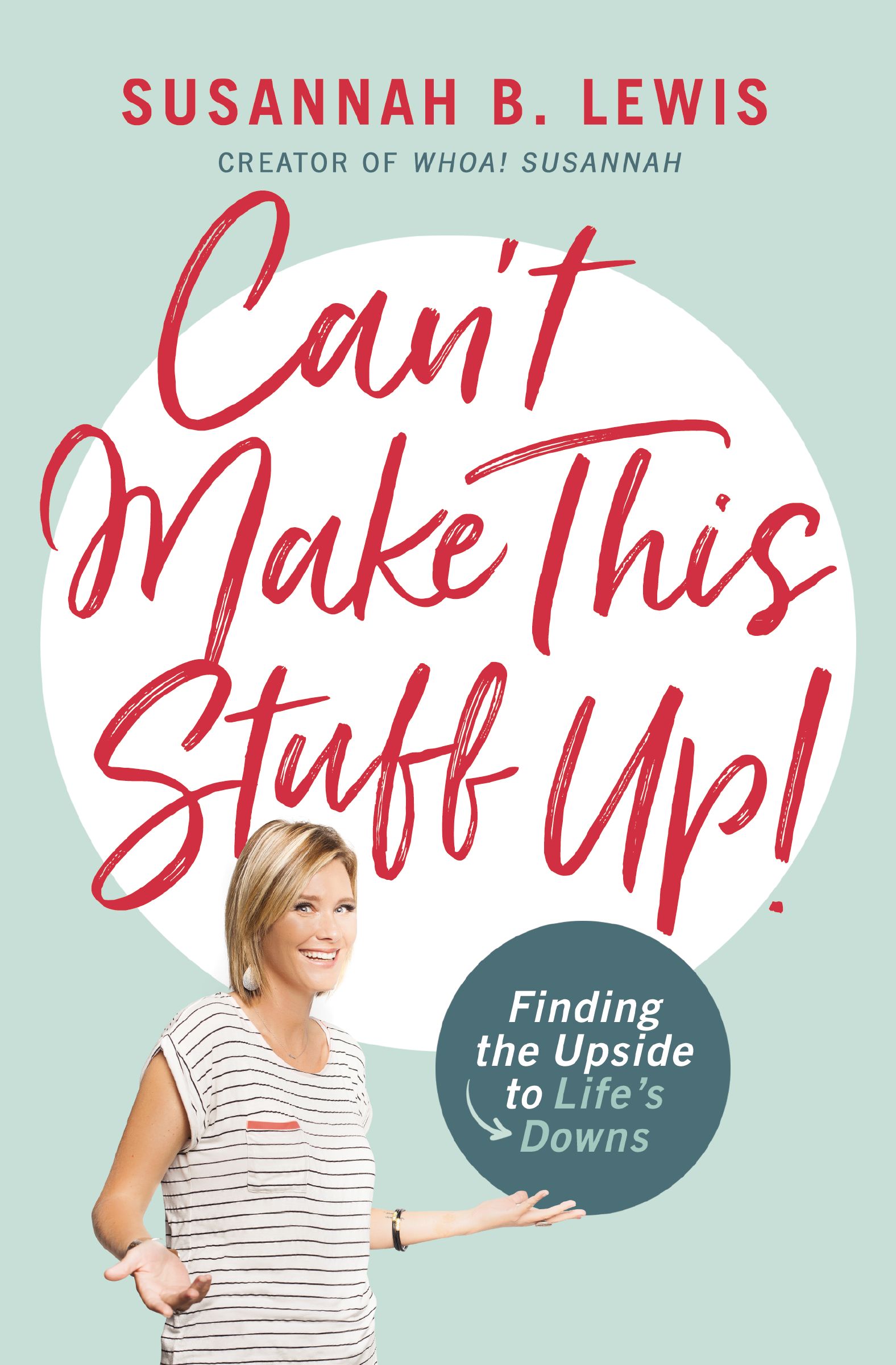
Can't Make This Stuff Up!: Finding the Upside to Life's Downs
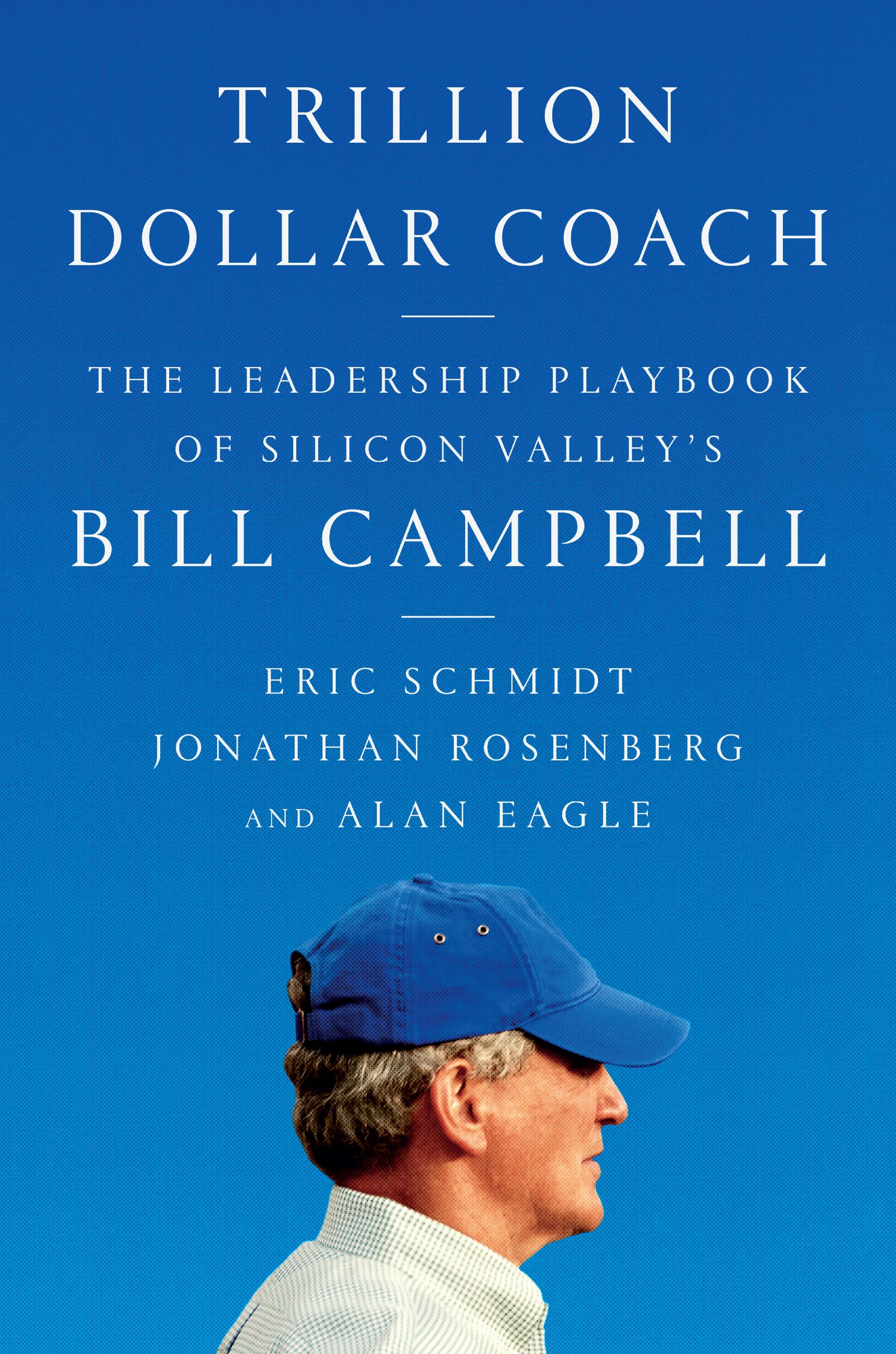
Trillion Dollar Coach: The Leadership Playbook of Silicon Valley's Bill Campbell
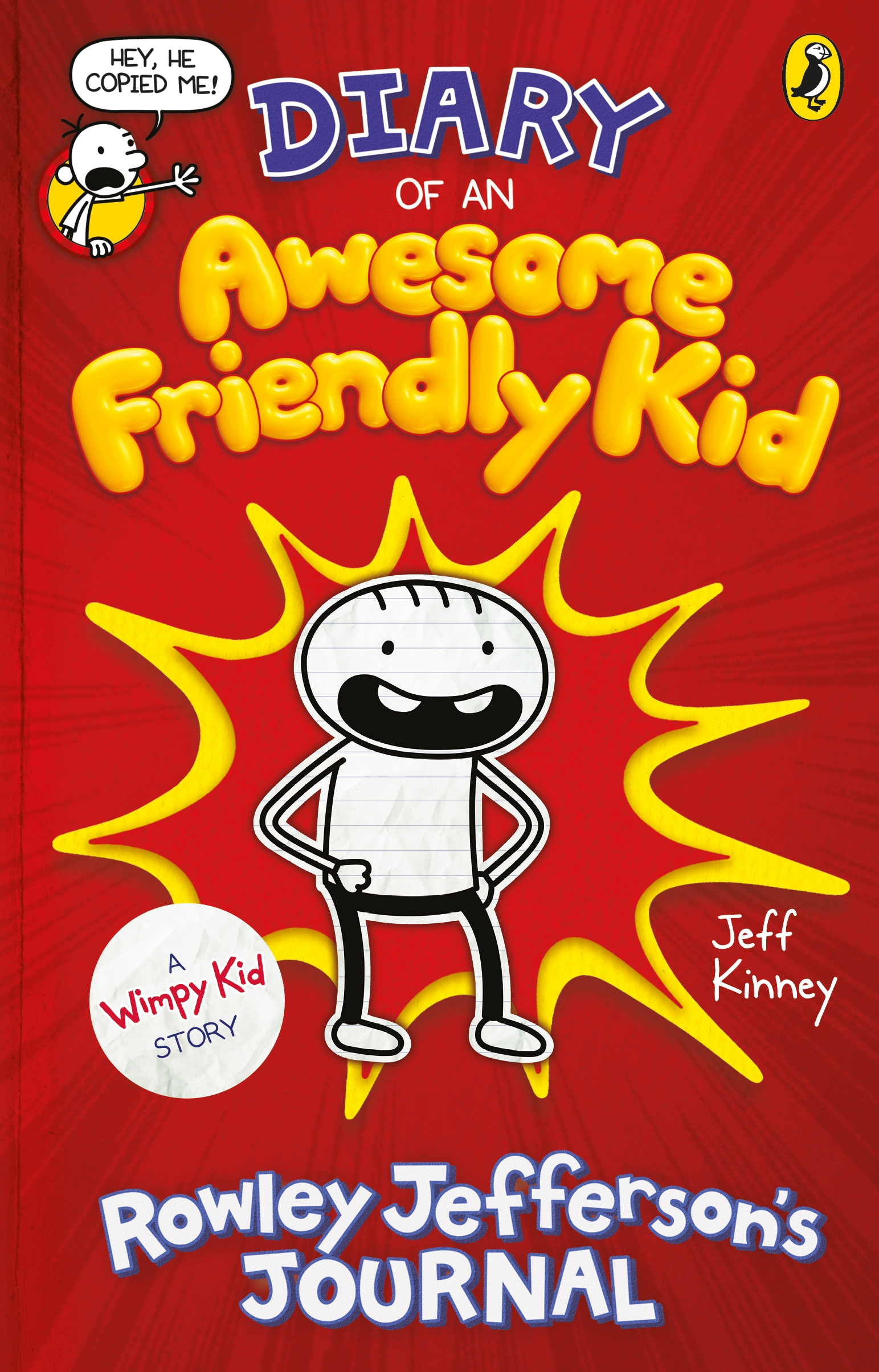
Diary of an Awesome Friendly Kid: Rowley Jefferson's Journal

The Silent Woman (Cat Carlisle, Book 1)
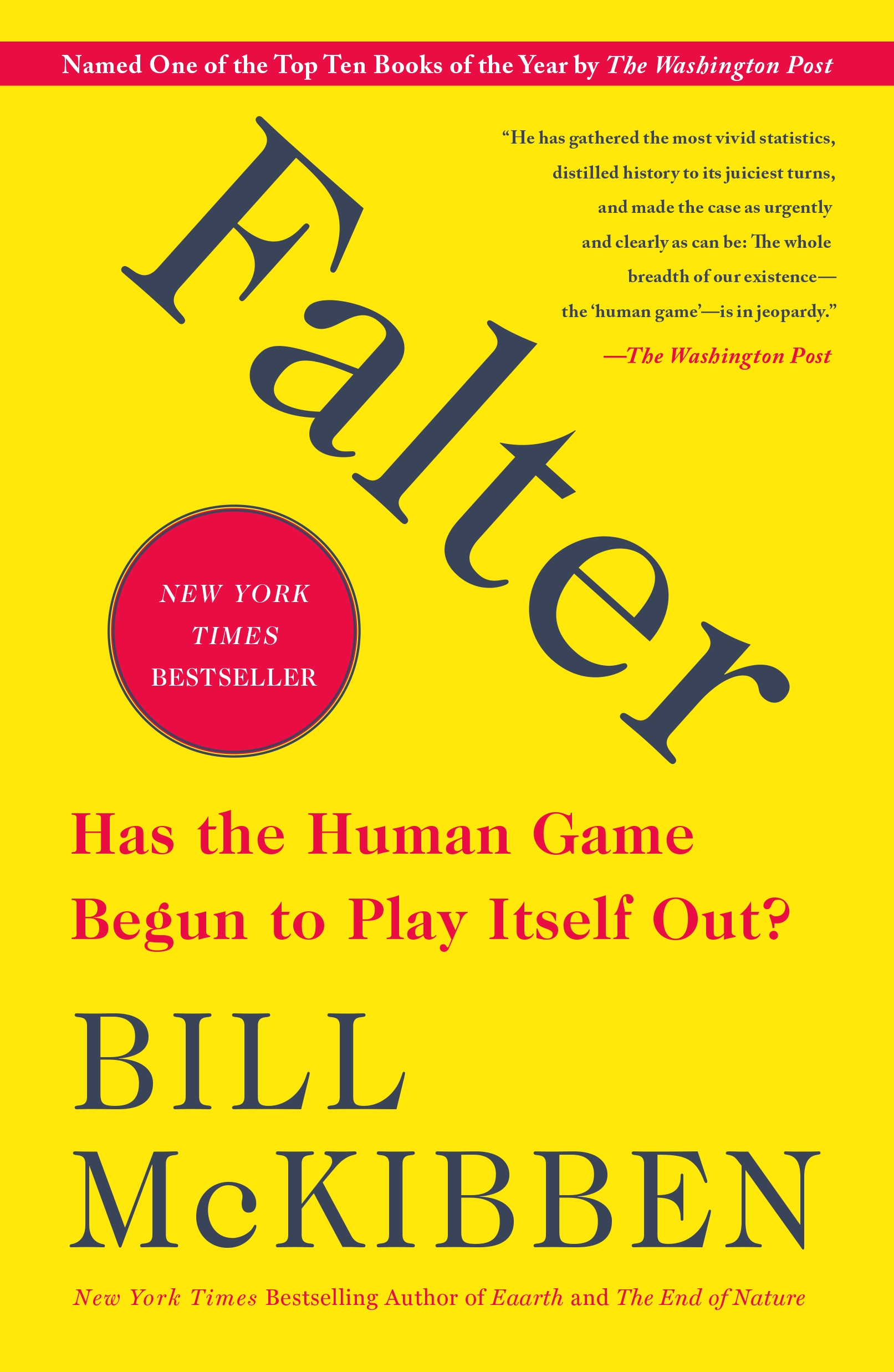
Falter: Has the Human Game Begun to Play Itself Out?

Good Night, Little Blue Truck

House of Shadows: An Enthralling Historical Mystery

Secrets Between Us: An absolutely gripping psychological thriller

Settings
Reflow text when sidebars are open.
