
- Browse Category
Subjects
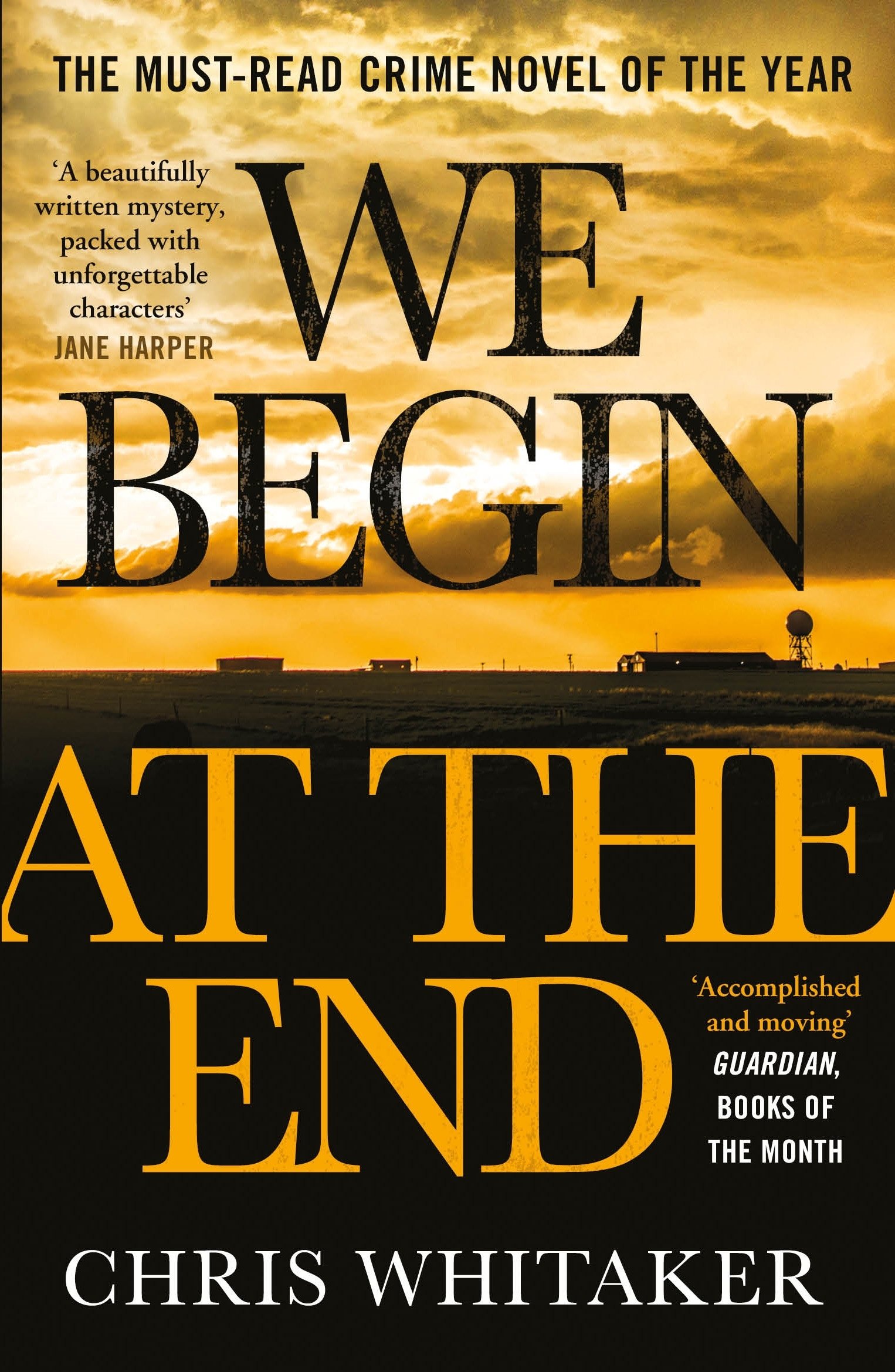 We Begin at the EndLearn More
 - Choice Picks
- Top 100 Free Books
- Blog
- Recently Added
- Submit your eBook
- Browse Category
We Begin at the EndLearn More
- Choice Picks
- Top 100 Free Books
- Blog
- Recently Added
- Submit your eBook
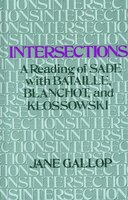
Intersections: A Reading of Sade with Bataille, Blanchot, and Klossowski
2020-12-29 21:38:34
Four writers—the first, an eighteenth-century Frenchman whose works still retain their power to shock, scandalize, and instruct; the others, three twentieth-century Frenchmen, heirs and explicators of their earlier compatriot—form the cen...
Read more
Four writers—the first, an eighteenth-century Frenchman whose works still retain their power to shock, scandalize, and instruct; the others, three twentieth-century Frenchmen, heirs and explicators of their earlier compatriot—form the central cast of characters of this literary-philosophical dialogue which seeks to transcend the barriers of time, space, and sexual identity imposed by traditional approaches to literature.
LessProfessor Gallop, acknowledging her debt to such writers as Friedrich Nietzsche and Roland Barthes, cites as the shaping principle of her work the central tenet of intertextuality—that a literary work is not a closed system which can be definitively characterized by reference either to its creator or to its beholder. Rather, reader, writer, and text meet, react, and interact in a performance of "polymorphous per-versity"—a performance which, Professor Gallop points out, finds a parodic analogue in the activities of Sade''s distinguished libertines. Professor Gallop observes that Sade and the structuralists display a congruity of purpose, in that both take as their goal the destruction of the classical dichotomy, long enshrined at the heart of the humanist tradition, between the ideal and the material.
Working from these peculiar conjunctions of theory, purpose, and enactment—and from a distinctly feminist point of view—Professor Gallop moves freely among the texts of her four subjects. She introduces Bataille''s Sade to Blanchot’s Sade, relates Klossowski''s Sade to Klossowski''s Bataille, and, when necessary extricates Sade himself from the web of what has been written about him. She finds that each of the three later writers constructs his own "fiction," with Sade as chief character: Bataille, caught up in the idea of the "sovereign man," discovers the sovereign man in Sade; Blanchot, for whom the real action is the act of writing itself, describes a Sade confronting the horror of the loss of self in that act; while Klossowski creates several Sades, marking different moments in his intellectual itinerary: psychoanalytic, Catholic, Nietzschean.
Professor Gallop demonstrates, however, that Sade is ultimately not appropriable—cannot, in effect, be consumed—and that, thus, an inversion occurs whereby Bataille, Blanchot, and Klossowski become extensions of Sade''s characters, subsumed into the Sadian world. And she finds herself likewise a part of that world and her work "an ever reverberating extension of Sade''s own writing."

Compare Prices
| Store | Availability | Book Format | Condition | Price |
|---|---|---|---|---|
| Indigo Books & Music | In Stock | Buy CAD 67.95 |
Available Discount
No Discount available
Related Books
View All
Row, Row, Row Your Boat (Indestructibles Series)

The Secret Wife: A captivating story of romance, passion and mystery
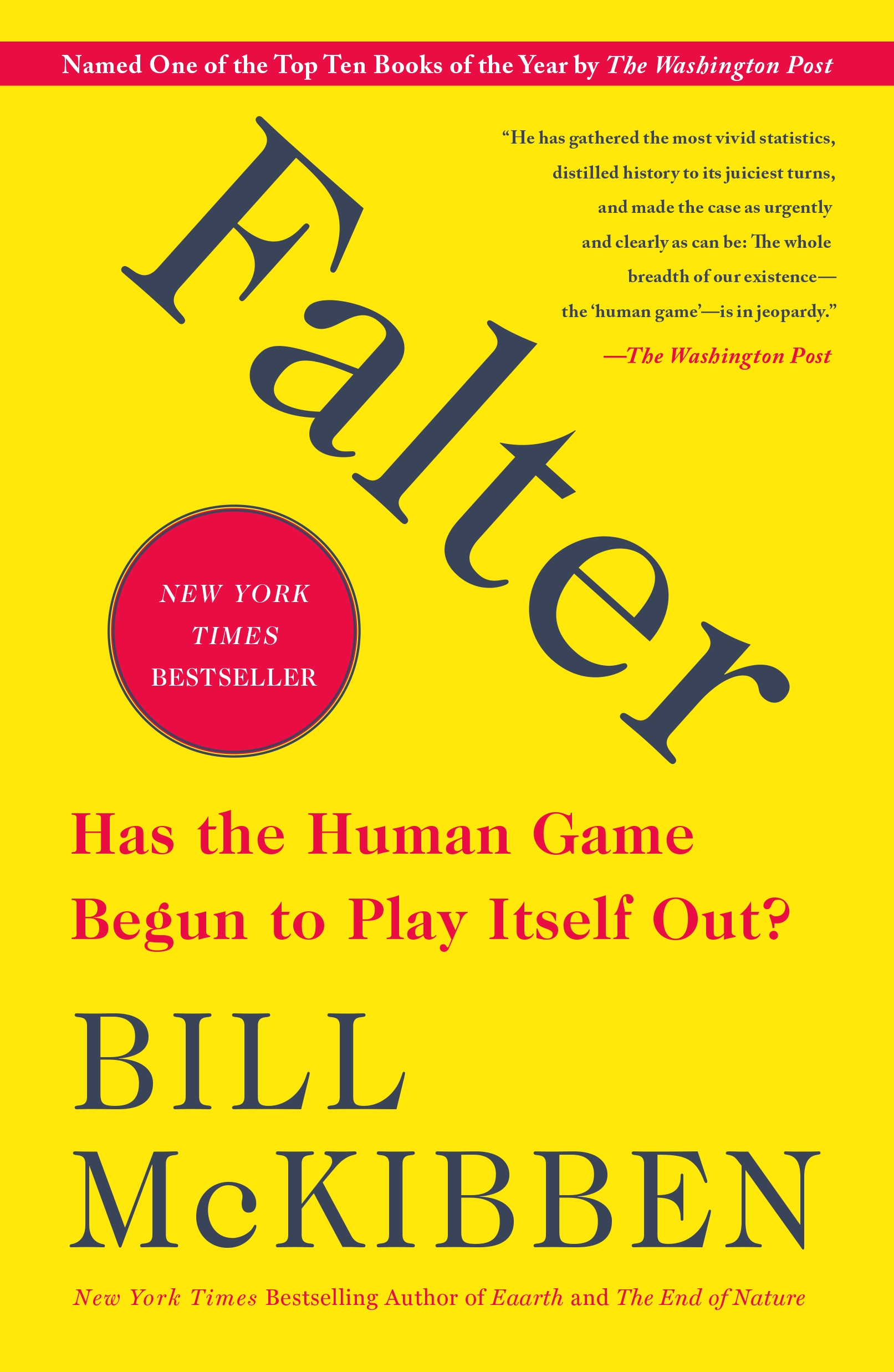
Falter: Has the Human Game Begun to Play Itself Out?
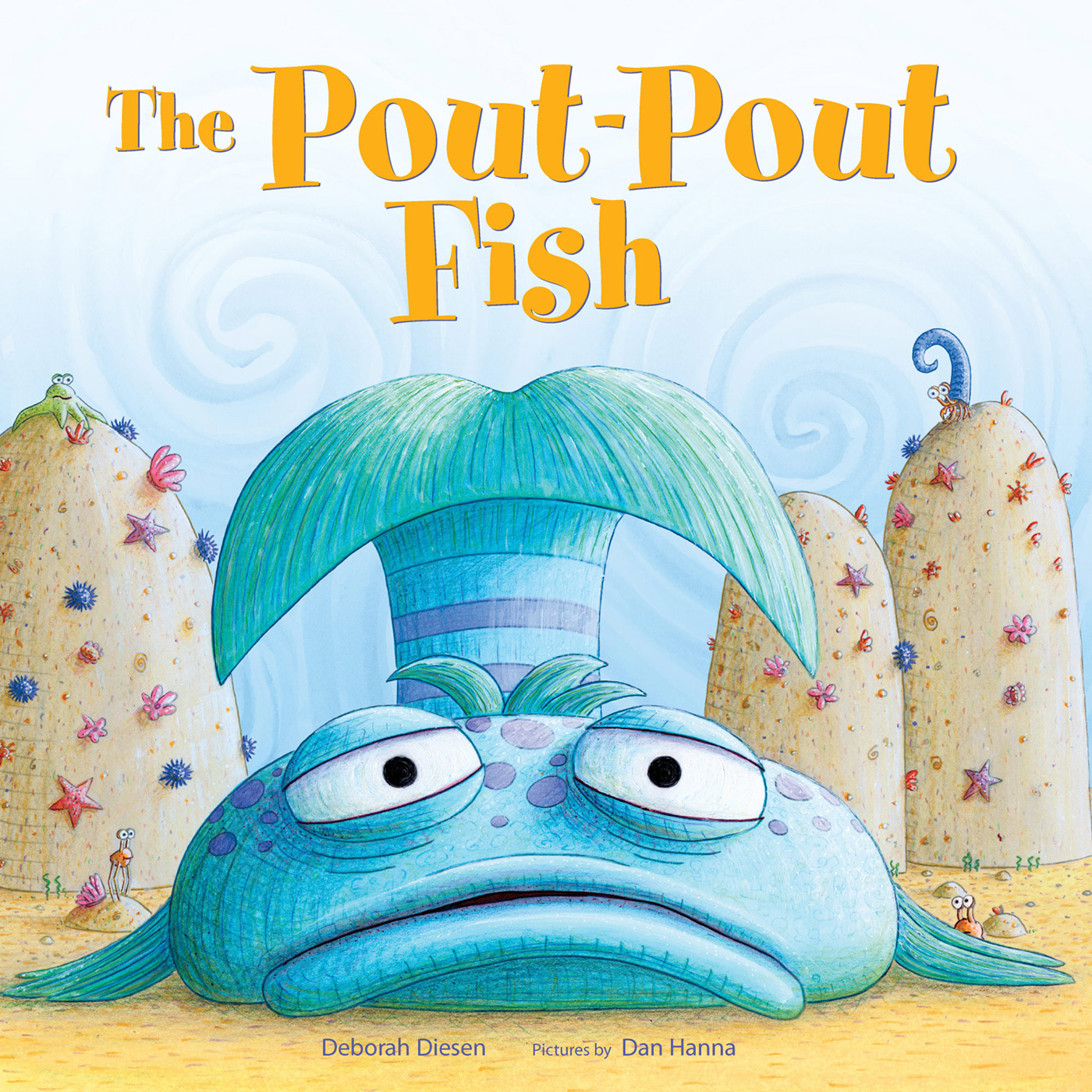
The Pout-Pout Fish

The Book Club
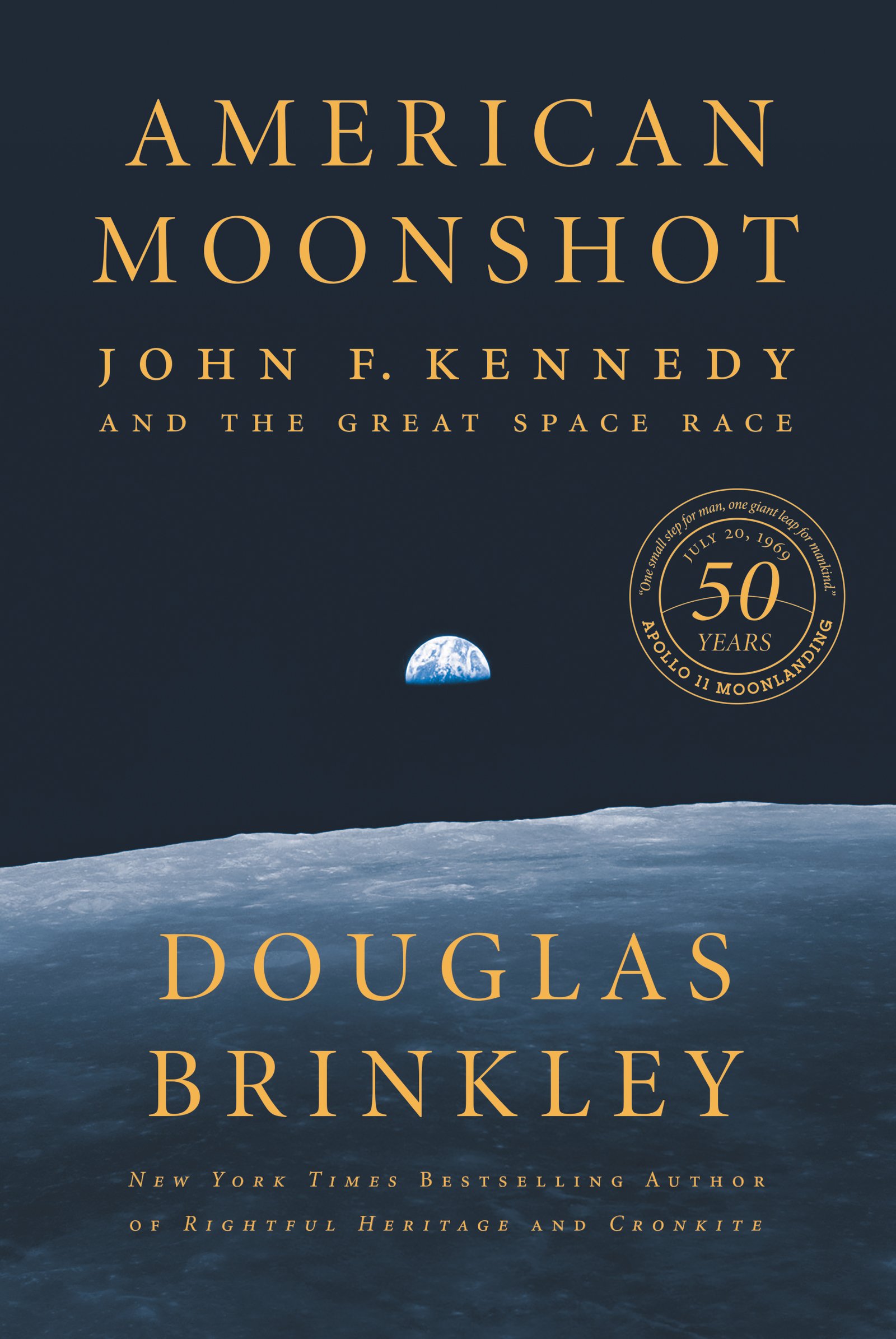
American Moonshot: John F. Kennedy and the Great Space Race

House of Shadows: An Enthralling Historical Mystery

Going to School

Life Will Be the Death of Me: ...And You Too!

Commander in Cheat: How Golf Explains Trump

There Was an Old Lady Who Swallowed a Chick!

We Are Not Friends (You Are Not Small)

Twinkle, Twinkle, Little Star (Indestructibles Series)
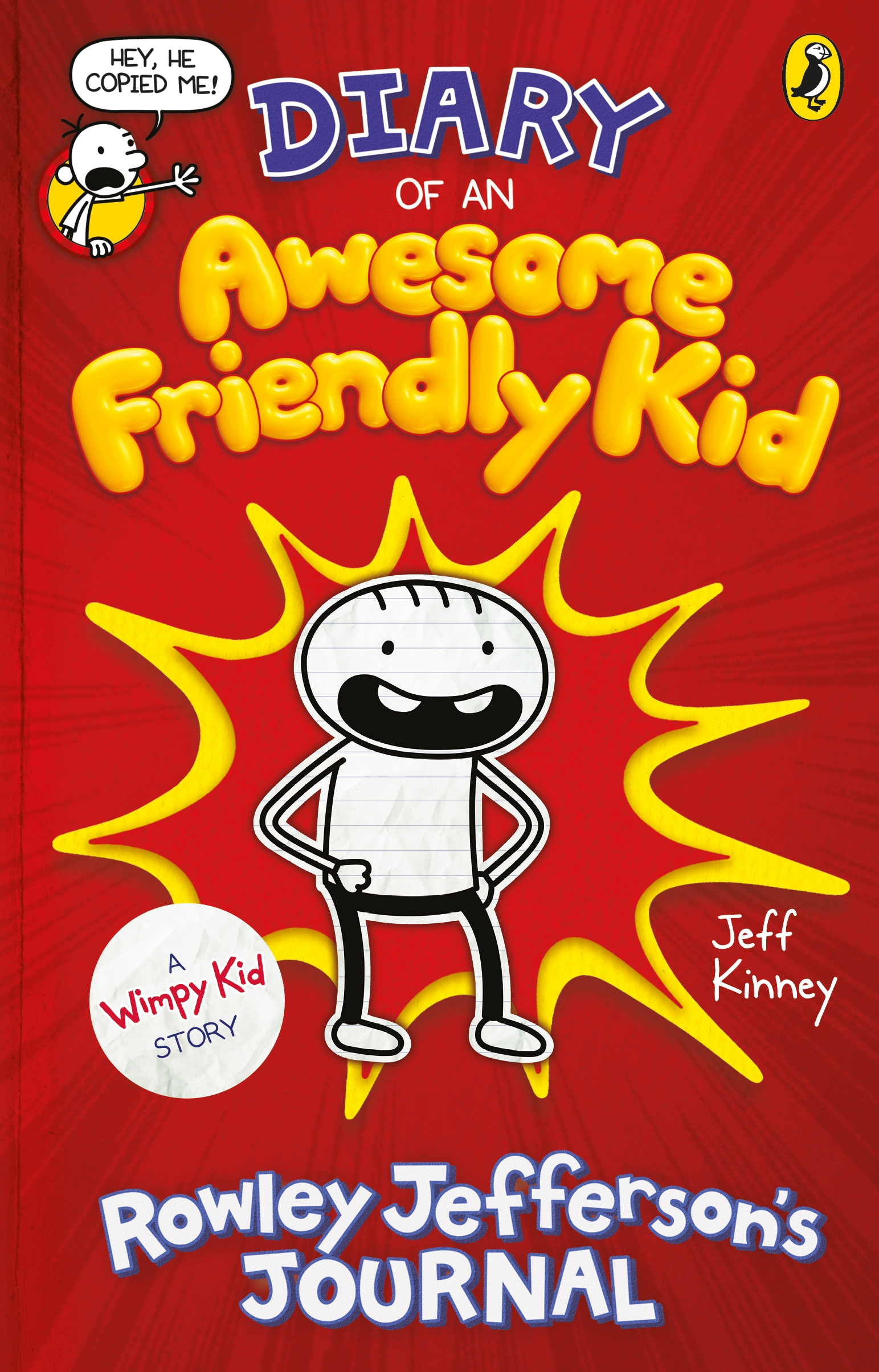
Diary of an Awesome Friendly Kid: Rowley Jefferson's Journal
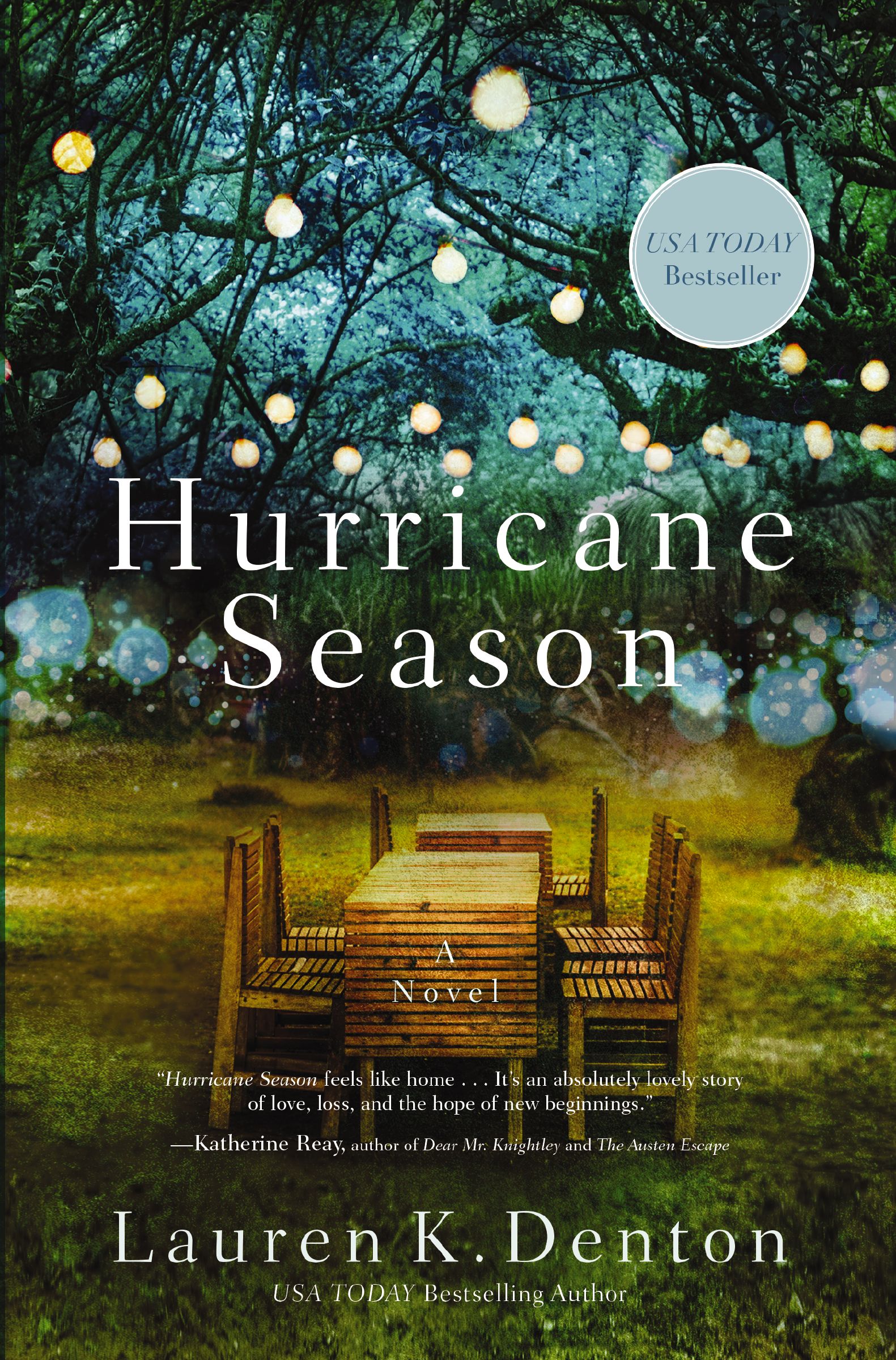
Hurricane Season
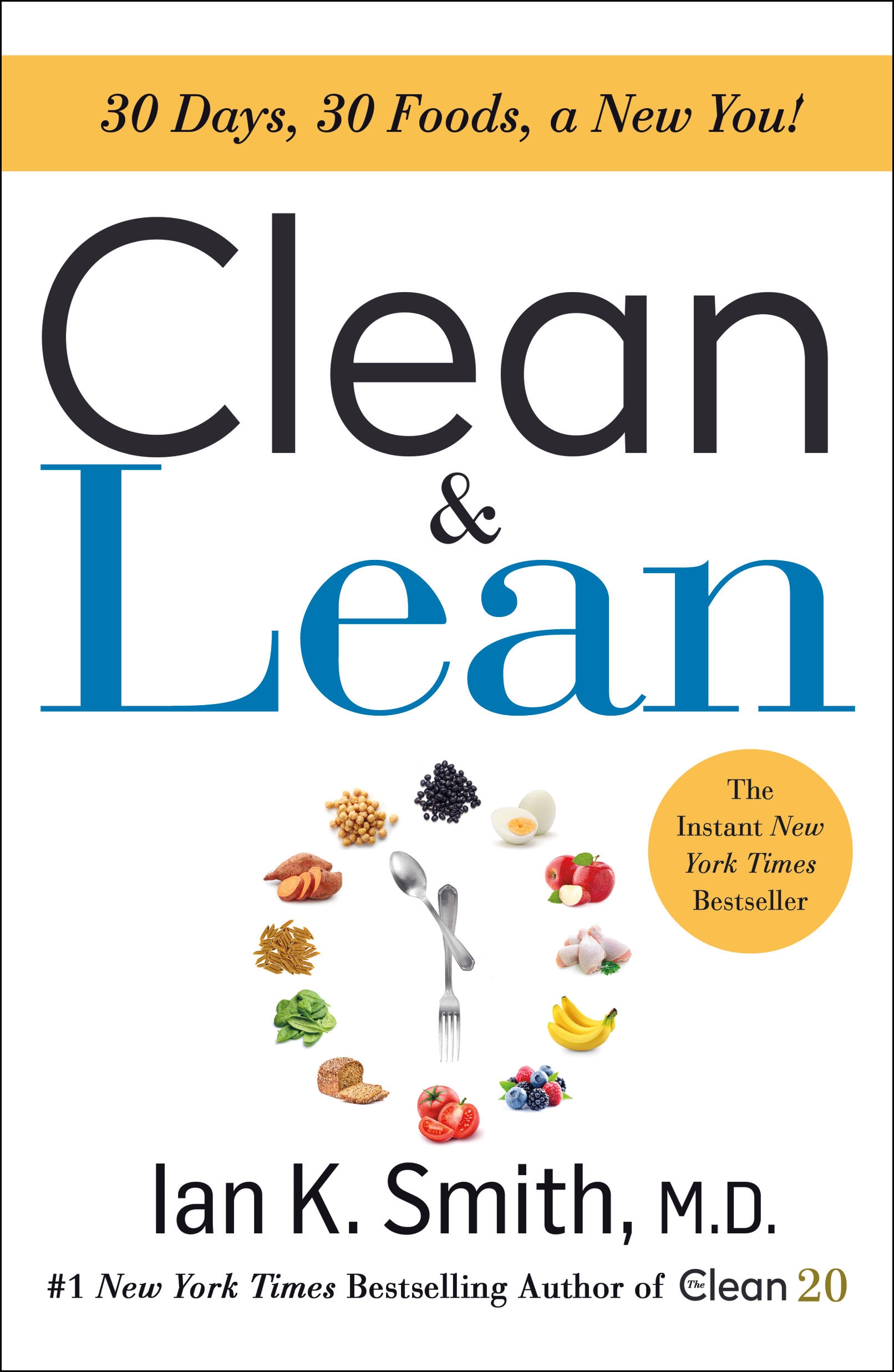
Clean & Lean: 30 Days, 30 Foods, a New You!

Made for Me
Secrets Between Us: An absolutely gripping psychological thriller

The Silent Woman (Cat Carlisle, Book 1)

You Be You: Detox Your Life, Crush Your Limitations, and Own Your Awesome
Trillion Dollar Coach: The Leadership Playbook of Silicon Valley's Bill Campbell
Can't Make This Stuff Up!: Finding the Upside to Life's Downs

Good Night, Little Blue Truck
The Wonderful Things You Will Be

Feed Your Best Friend Better: Easy, Nutritious Meals and Treats for Dogs

Settings
Reflow text when sidebars are open.
