
- Browse Category
Subjects
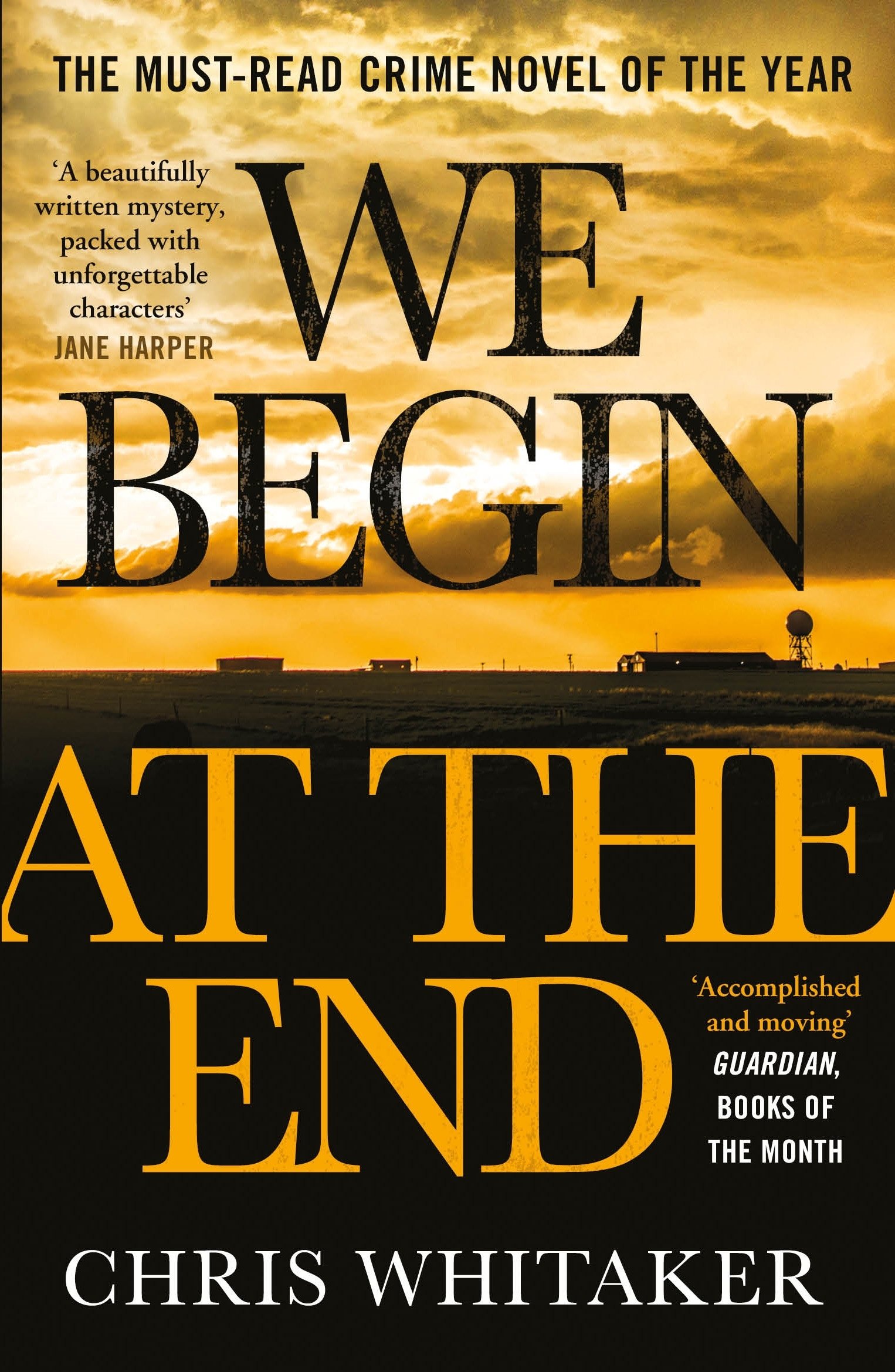 We Begin at the EndLearn More
 - Choice Picks
- Top 100 Free Books
- Blog
- Recently Added
- Submit your eBook
- Browse Category
We Begin at the EndLearn More
- Choice Picks
- Top 100 Free Books
- Blog
- Recently Added
- Submit your eBook

Meaning Over Memory: Recasting the Teaching of Culture and History
2021-01-03 05:49:25
In the midst of the heated battles swirling around American humanities education, Peter Stearns offers a reconsideration not only of what we teach but also of why and how we teach it. While conservatives defend a museum-like humanities curriculum, th...
Read more
In the midst of the heated battles swirling around American humanities education, Peter Stearns offers a reconsideration not only of what we teach but also of why and how we teach it. While conservatives defend a museum-like humanities curriculum, their opponents argue for opening the canon to the works and lives of women and minorities. This approach, Stearns cautions, risks substituting one memorized content for another. Stearns suggests an alternative strategy; one that overlaps with some of the radicals' goals but moves on to a more ambitious reassessment of what the humanities should convey to students. Such a humanities program, says Stearns, should teach students not just memorized facts but analytical skills that are vital for a critically informed citizenry. "In dealing with the current furor over conventional humanistic coverage versus multiculturalism", Stearns says, "I join a few other recent observers in offering intermediate positions and certainly in rejecting the extremes urged from both sides". But, he adds, "My goals are more radical than the radicals' in that I seek to reshape the discussion of the humanities by moving away from debates about which groups it would privilege - essentially a turf fight, however recondite its phrasing - and toward a determination of what kinds of analyses it should further. I aim for a real transformation of humanities education in light of the kinds of analytical perspectives - the habits of the mind - it should inculcate. Teaching in the humanities should above all foster a critical imagination - and this point is not recognized in most of the current debates". Stearns urges the use of innovative research as the basis of the humanitiescurriculum, following the practice of scientific disciplines. He offers specific suggestions on translating curriculum goals into courses that can be taught alongside or instead of the more conventional staples. It is important, Stearns concludes, to use the current spirit of rancor constructively to build a solid educational structure, one that rests on humanities scholarship but aims to help students better understand the nature of human culture and social behavior.
Less

Compare Prices
| Store | Availability | Book Format | Condition | Price |
|---|---|---|---|---|
| Indigo Books & Music | In Stock | Paperback | Paperback | Buy CAD 67.95 |
| BetterWorld.com - New, Used, Rare Books & Textbooks | In Stock | Buy USD 5.47 |
Available Discount
No Discount available
Related Books
View All
You Be You: Detox Your Life, Crush Your Limitations, and Own Your Awesome
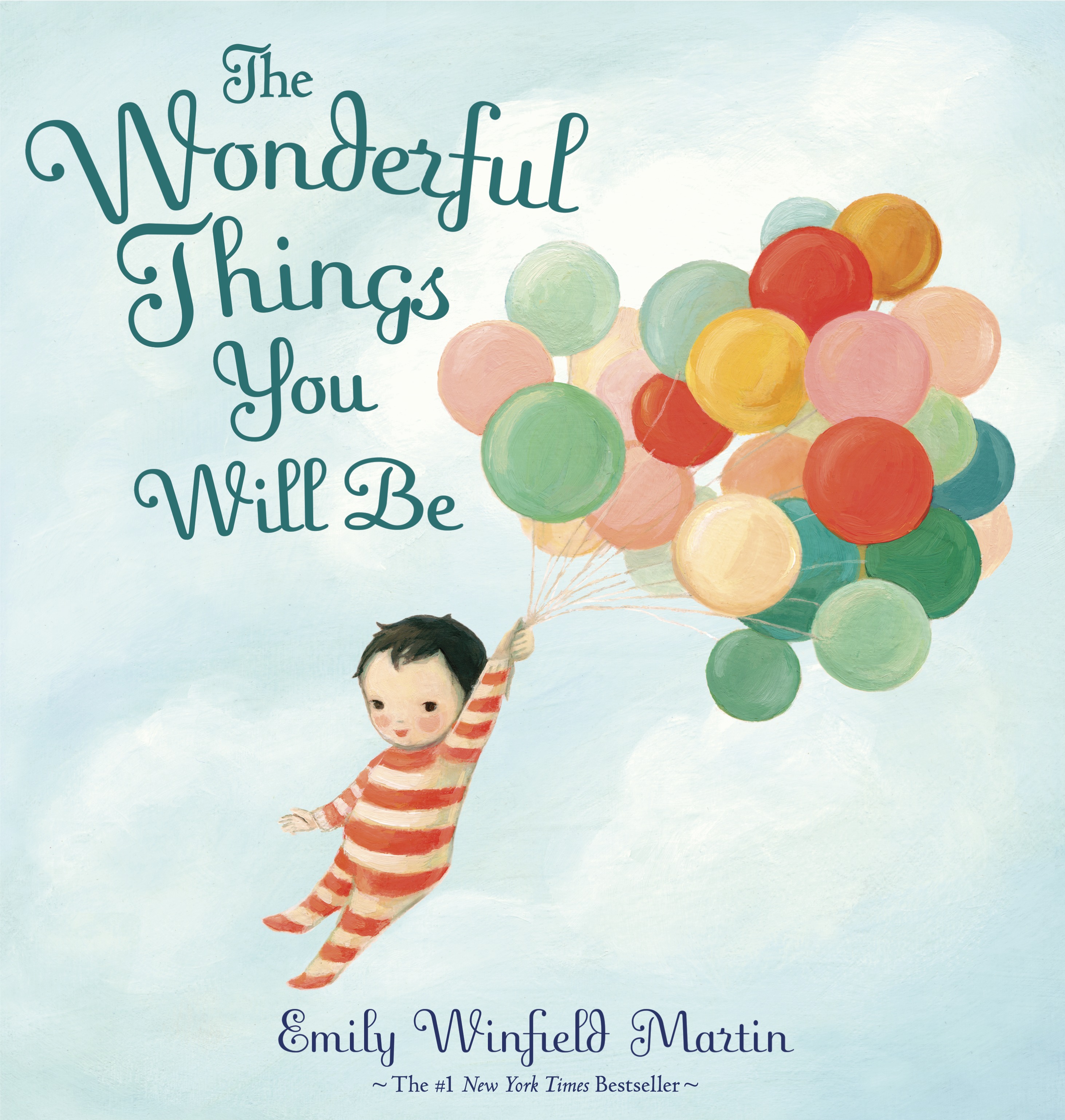
The Wonderful Things You Will Be

There Was an Old Lady Who Swallowed a Chick!

We Are Not Friends (You Are Not Small)

Good Night, Little Blue Truck
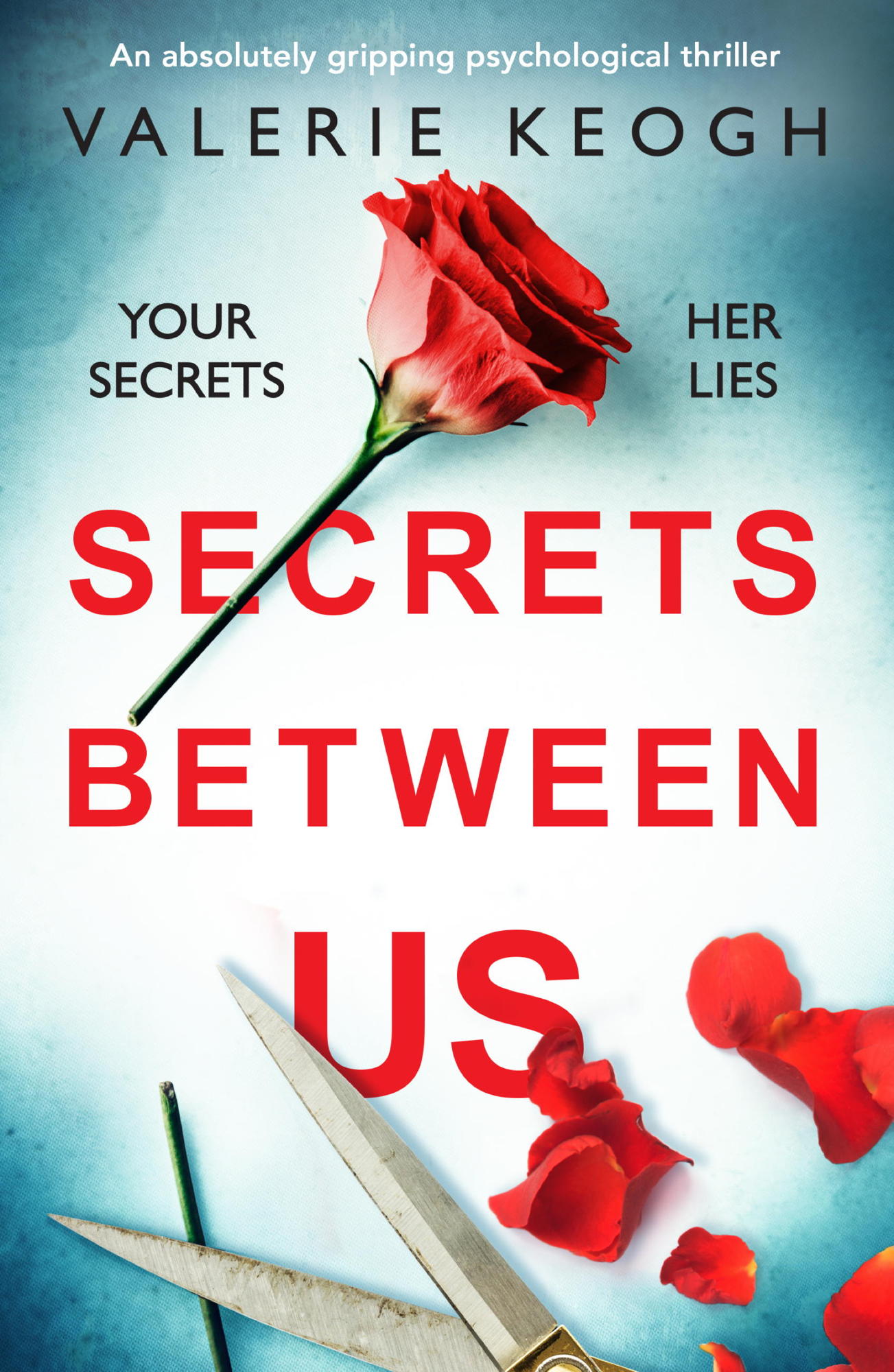
Secrets Between Us: An absolutely gripping psychological thriller
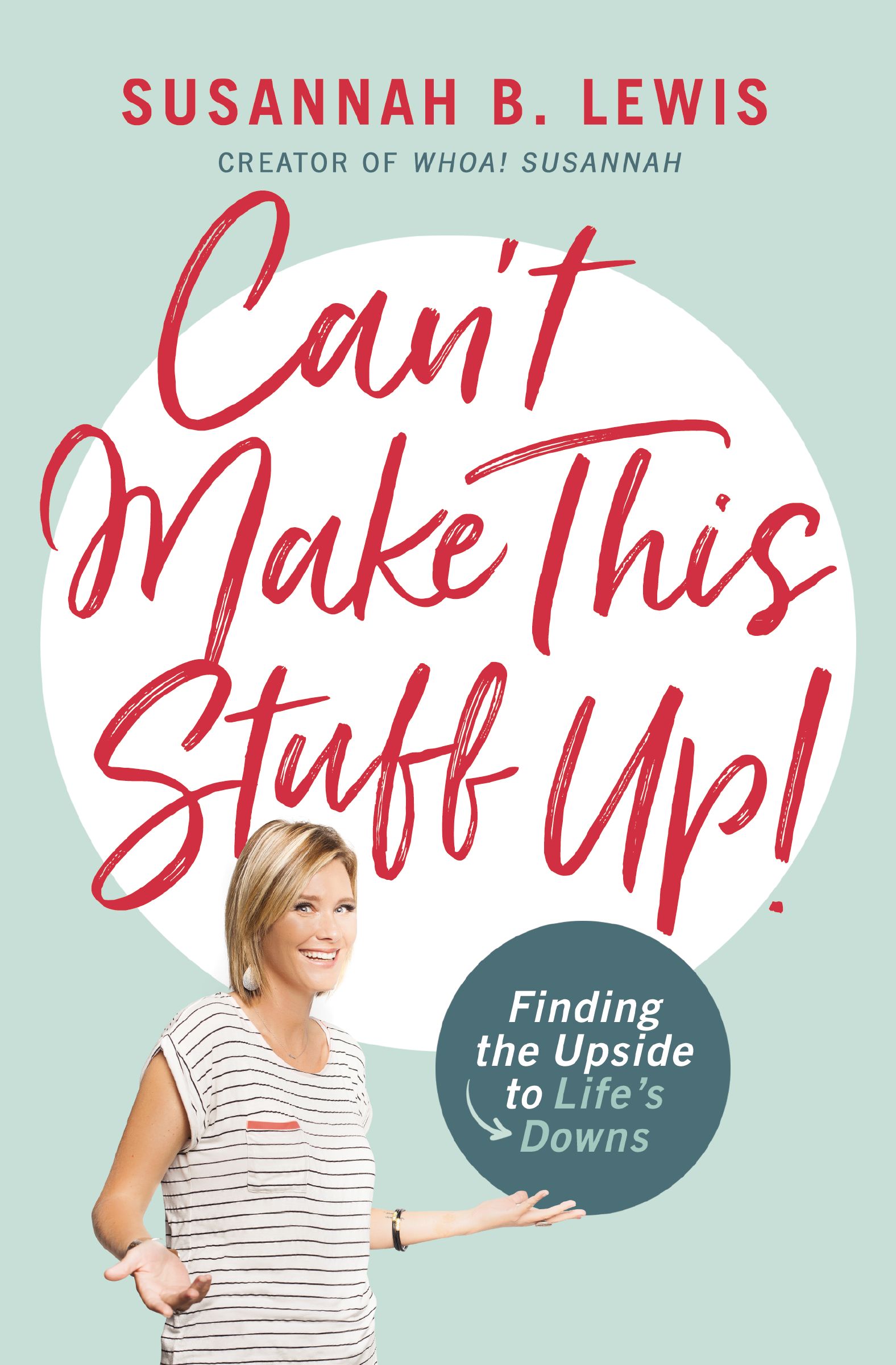
Can't Make This Stuff Up!: Finding the Upside to Life's Downs

Commander in Cheat: How Golf Explains Trump
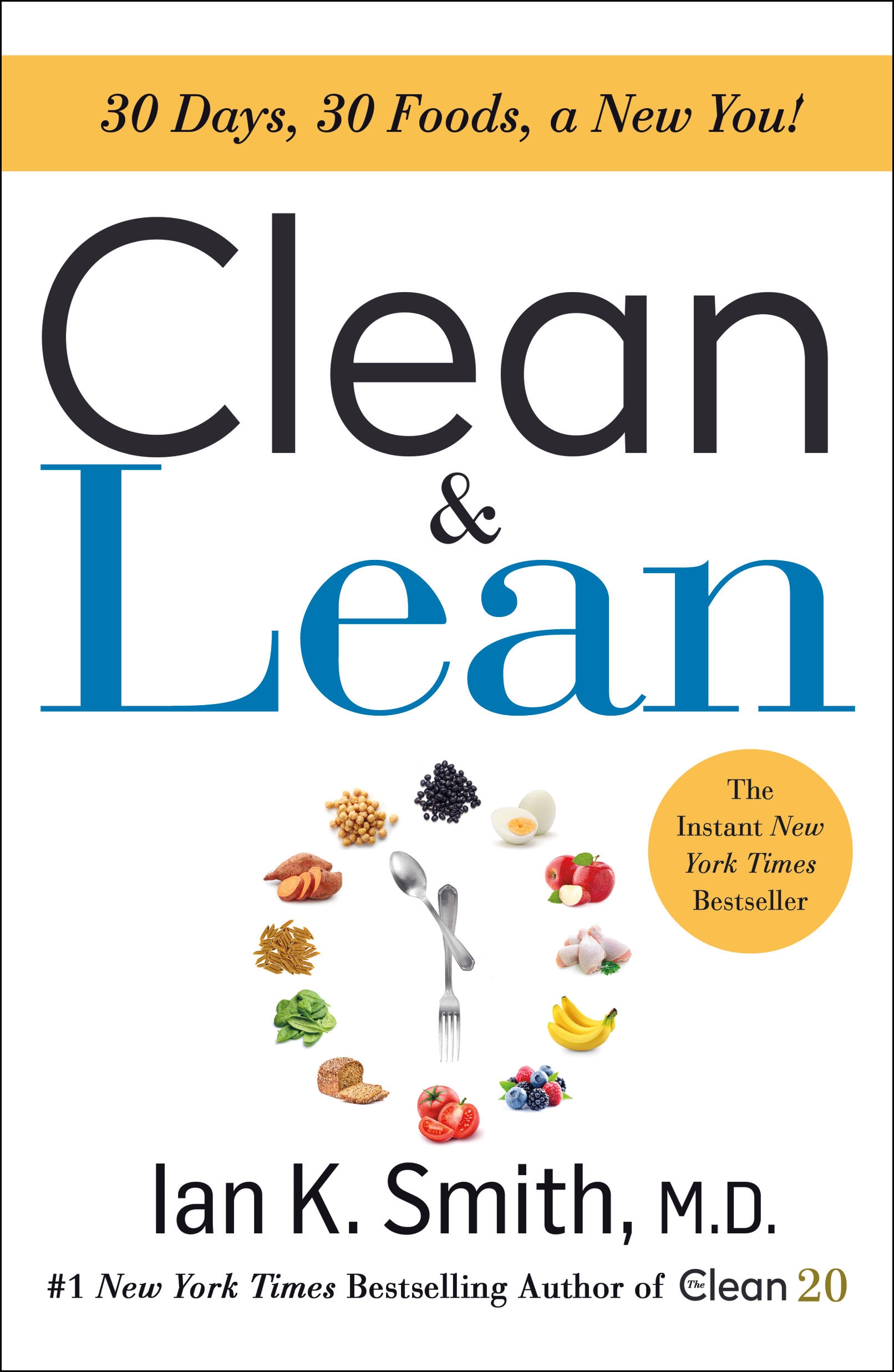
Clean & Lean: 30 Days, 30 Foods, a New You!
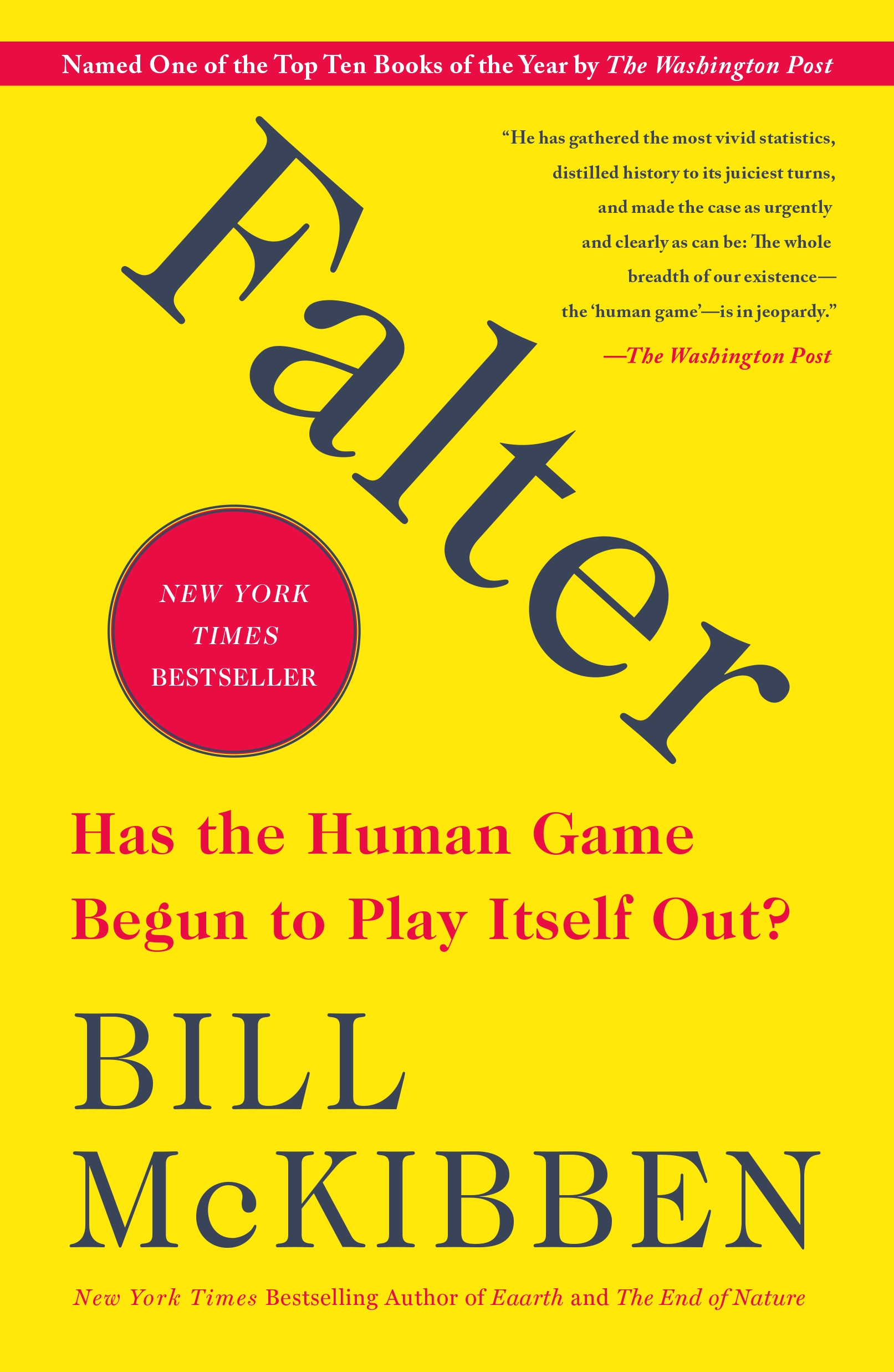
Falter: Has the Human Game Begun to Play Itself Out?
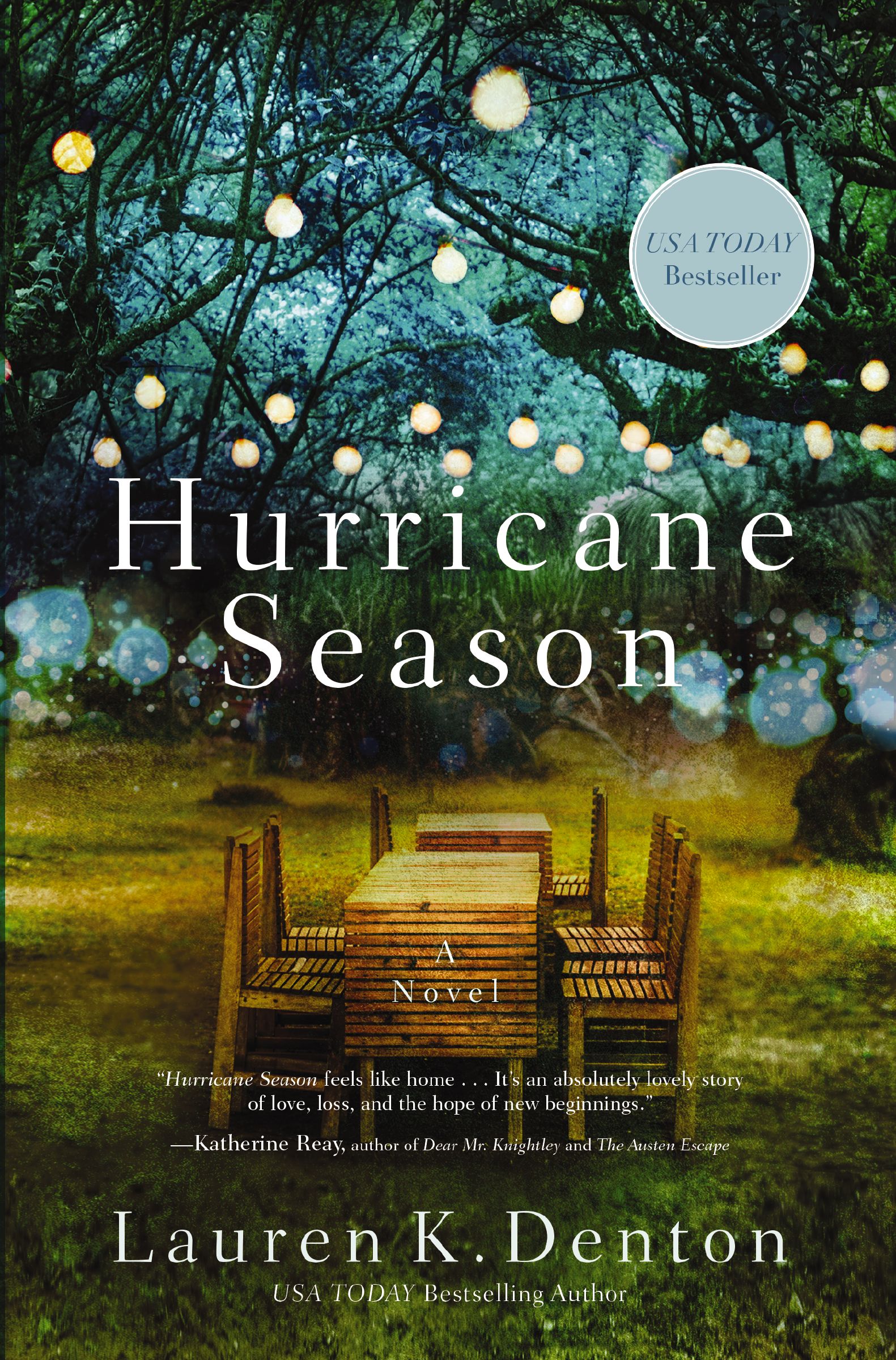
Hurricane Season
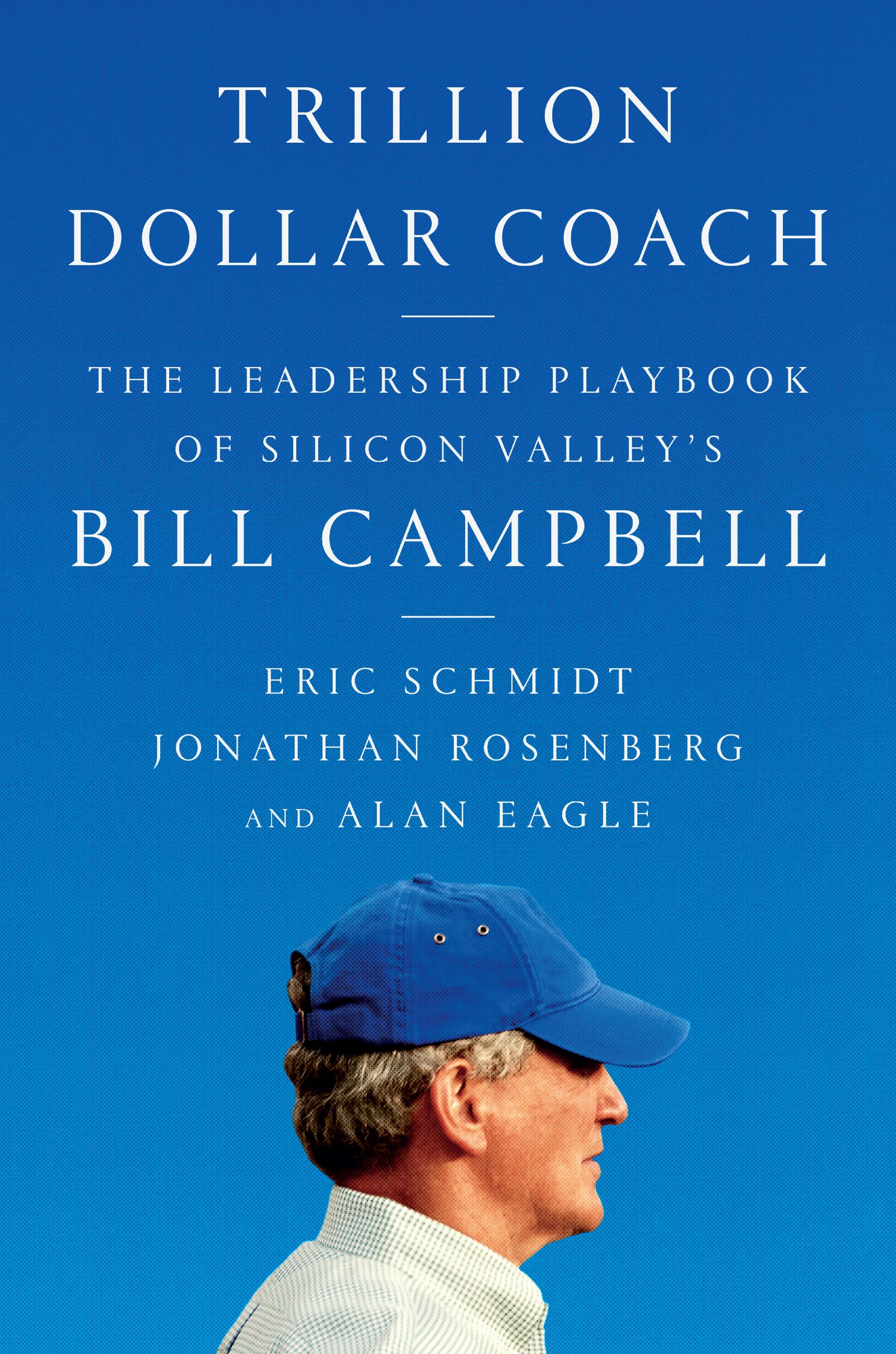
Trillion Dollar Coach: The Leadership Playbook of Silicon Valley's Bill Campbell

Made for Me

Life Will Be the Death of Me: ...And You Too!

Twinkle, Twinkle, Little Star (Indestructibles Series)

The Silent Woman (Cat Carlisle, Book 1)
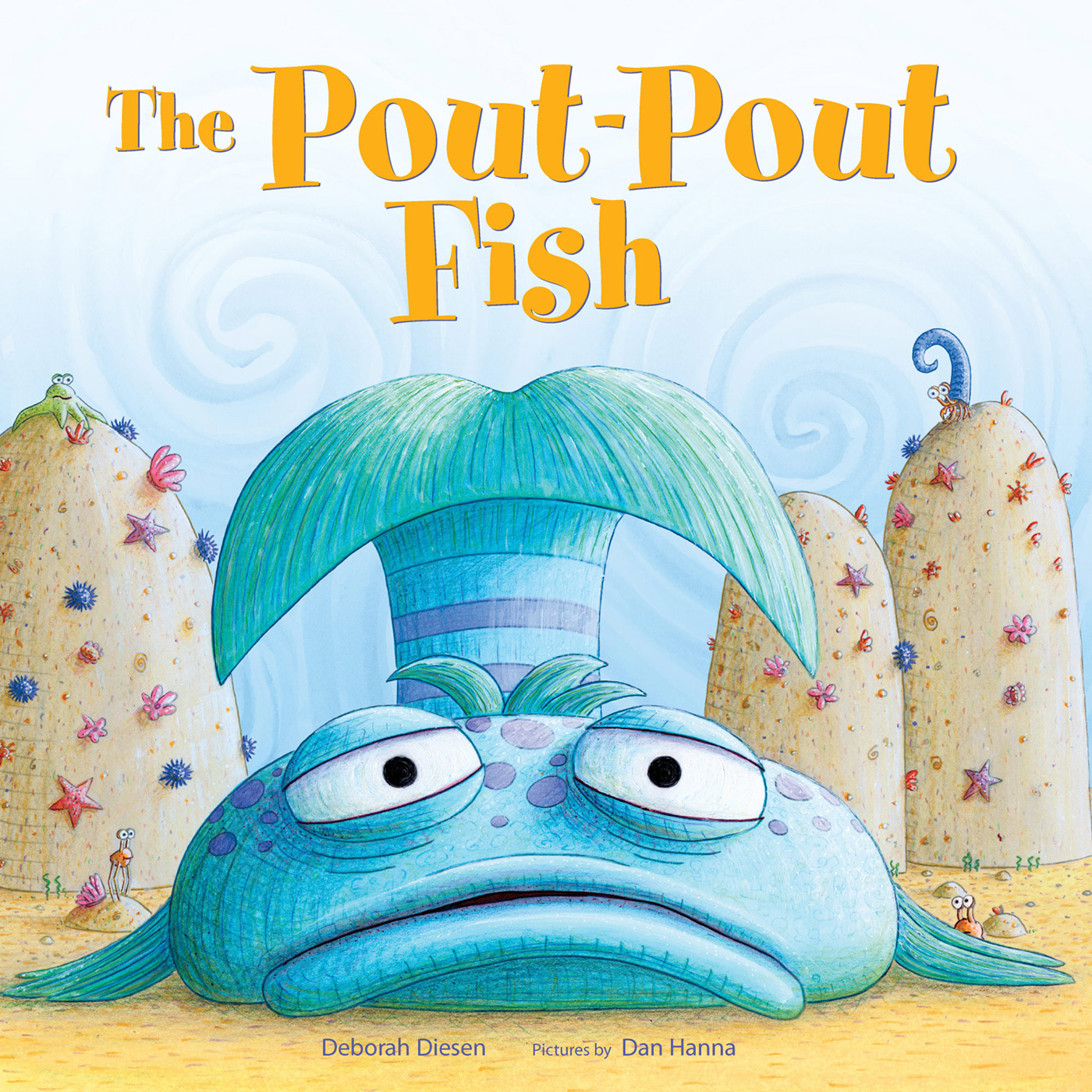
The Pout-Pout Fish

Row, Row, Row Your Boat (Indestructibles Series)

The Secret Wife: A captivating story of romance, passion and mystery

House of Shadows: An Enthralling Historical Mystery
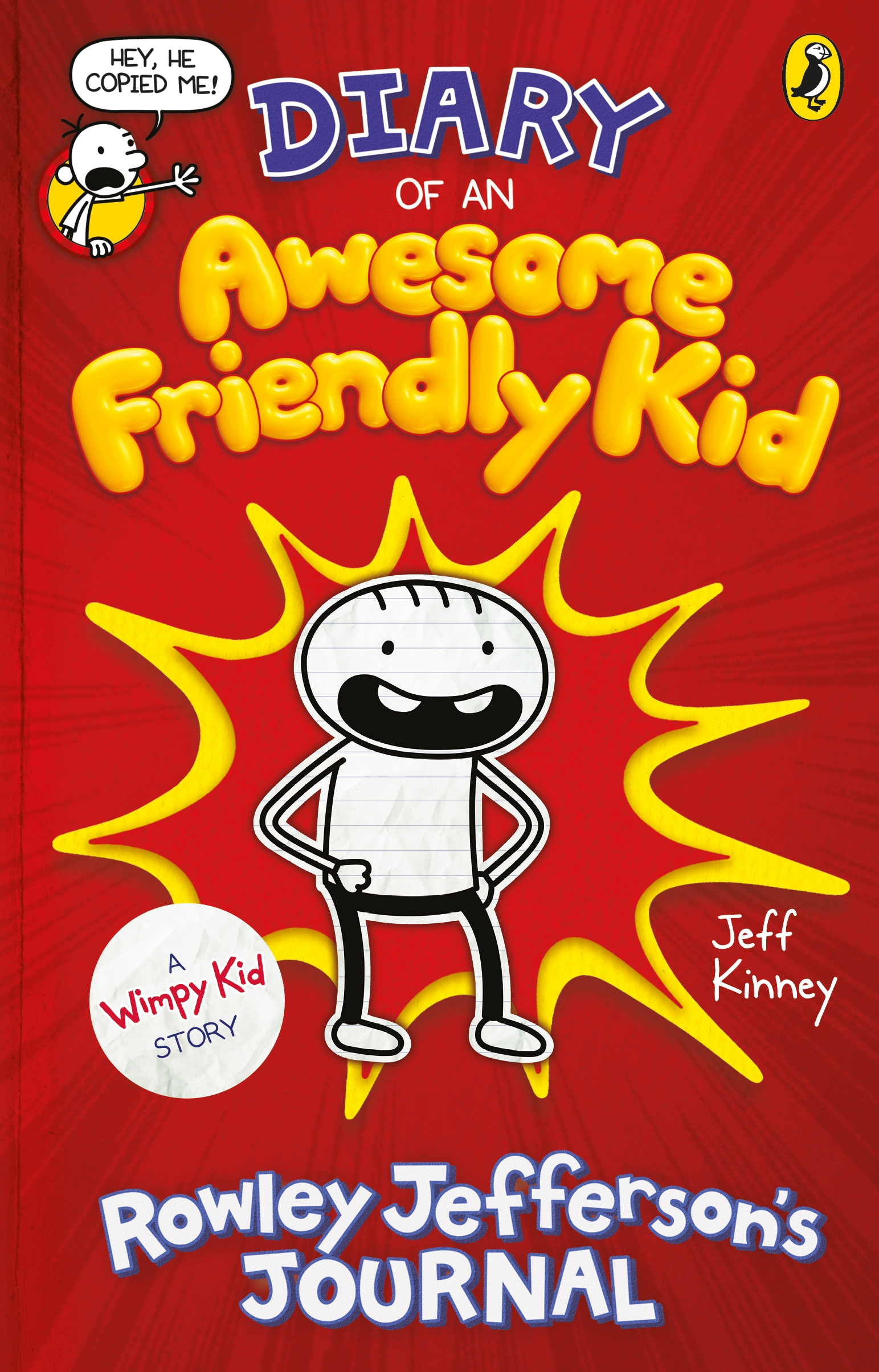
Diary of an Awesome Friendly Kid: Rowley Jefferson's Journal

The Book Club

Feed Your Best Friend Better: Easy, Nutritious Meals and Treats for Dogs
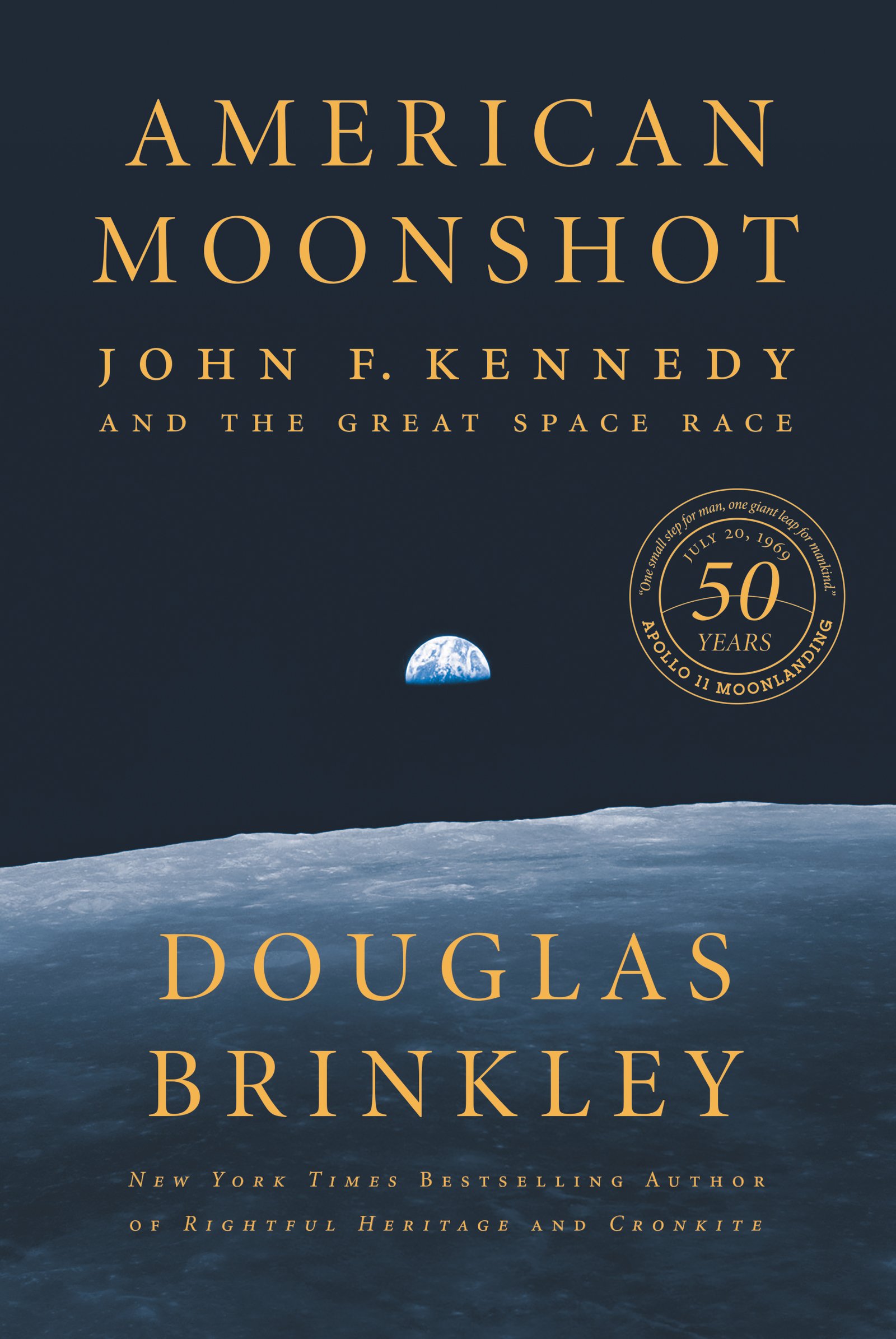
American Moonshot: John F. Kennedy and the Great Space Race

Going to School

Settings
Reflow text when sidebars are open.
