
- Browse Category
Subjects
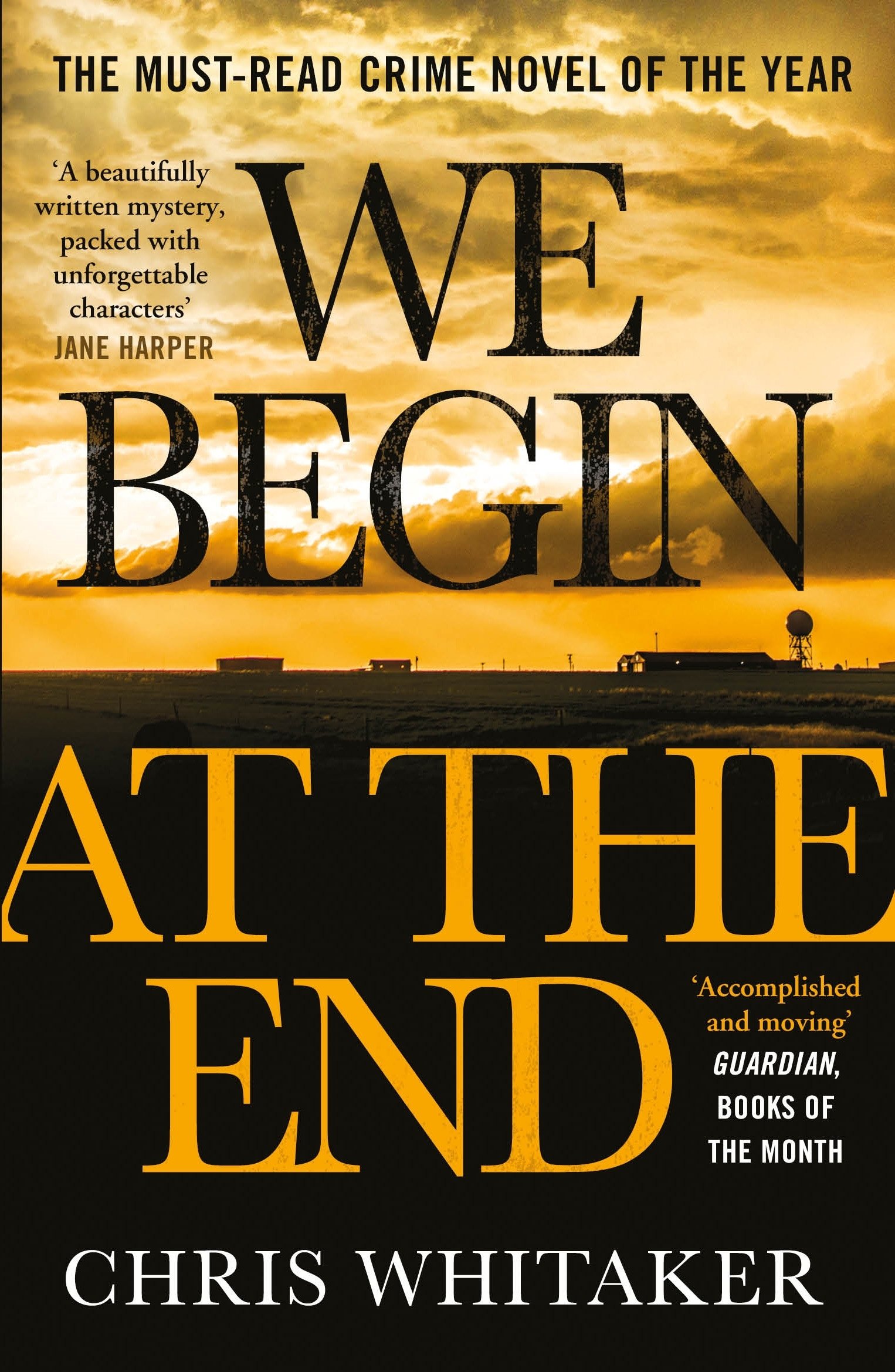 We Begin at the EndLearn More
 - Choice Picks
- Top 100 Free Books
- Blog
- Recently Added
- Submit your eBook
- Browse Category
We Begin at the EndLearn More
- Choice Picks
- Top 100 Free Books
- Blog
- Recently Added
- Submit your eBook

Objectivity
2021-01-15 00:08:55
The emergence of objectivity in the mid-nineteenth-century sciences, as revealed through images in scientific atlases-a story of how lofty epistemic ideals fuse with workaday practices.Objectivity has a history, and it is full of surprises. In Object...
Read more
The emergence of objectivity in the mid-nineteenth-century sciences, as revealed through images in scientific atlases-a story of how lofty epistemic ideals fuse with workaday practices.
Objectivity has a history, and it is full of surprises. In Objectivity, Lorraine Daston and Peter Galison chart the emergence of objectivity in the mid-nineteenth-century sciences-and show how the concept differs from its alternatives, truth-to-nature and trained judgment. This is a story of lofty epistemic ideals fused with workaday practices in the making of scientific images.
From the eighteenth through the early twenty-first centuries, the images that reveal the deepest commitments of the empirical sciences-from anatomy to crystallography-are those featured in scientific atlases, the compendia that teach practitioners what is worth looking at and how to look at it. Galison and Daston use atlas images to uncover a hidden history of scientific objectivity and its rivals. Whether an atlas maker idealizes an image to capture the essentials in the name of truth-to-nature or refuses to erase even the most incidental detail in the name of objectivity or highlights patterns in the name of trained judgment is a decision enforced by an ethos as well as by an epistemology.
As Daston and Galison argue, atlases shape the subjects as well as the objects of science. To pursue objectivity-or truth-to-nature or trained judgment-is simultaneously to cultivate a distinctive scientific self wherein knowing and knower converge. Moreover, the very point at which they visibly converge is in the very act of seeing not as a separate individual but as a member of a particular scientific community. Embedded in the atlas image, therefore, are the traces of consequential choices about knowledge, persona, and collective sight. Objectivity is a book addressed to anyone interested in the elusive and crucial notion of objectivity-and in what it means to peer into the world scientifically.
Less
Compare Prices
| Store | Availability | Book Format | Condition | Price |
|---|---|---|---|---|
| Indigo Books & Music | In Stock | Buy CAD 36.28 |
Available Discount
No Discount available
Related Books
View All
Going to School

The Secret Wife: A captivating story of romance, passion and mystery
Falter: Has the Human Game Begun to Play Itself Out?

Secrets Between Us: An absolutely gripping psychological thriller

Commander in Cheat: How Golf Explains Trump

Feed Your Best Friend Better: Easy, Nutritious Meals and Treats for Dogs

We Are Not Friends (You Are Not Small)

Row, Row, Row Your Boat (Indestructibles Series)

The Silent Woman (Cat Carlisle, Book 1)
Trillion Dollar Coach: The Leadership Playbook of Silicon Valley's Bill Campbell
The Pout-Pout Fish
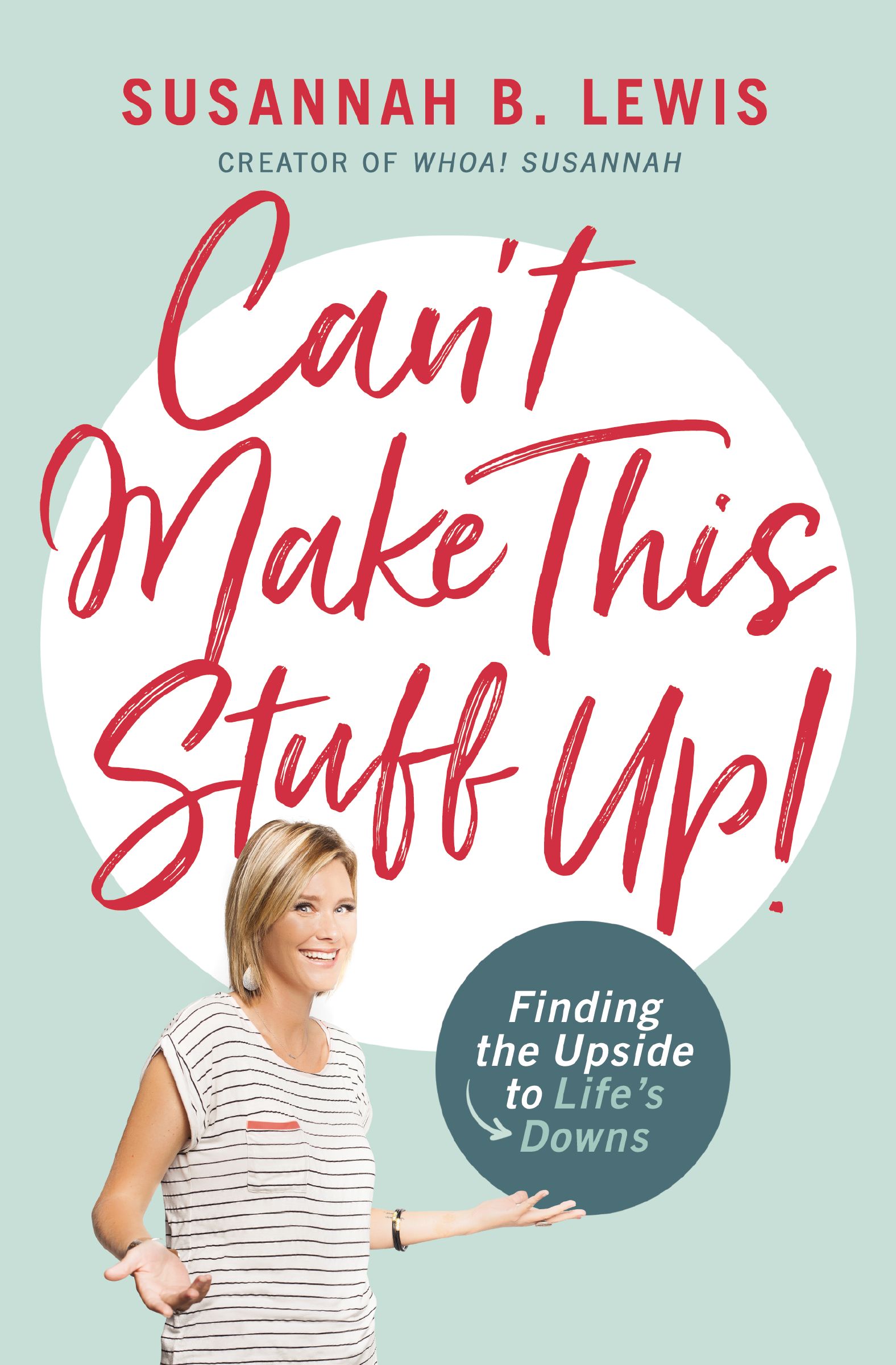
Can't Make This Stuff Up!: Finding the Upside to Life's Downs

You Be You: Detox Your Life, Crush Your Limitations, and Own Your Awesome

The Book Club

Twinkle, Twinkle, Little Star (Indestructibles Series)

Good Night, Little Blue Truck

Life Will Be the Death of Me: ...And You Too!
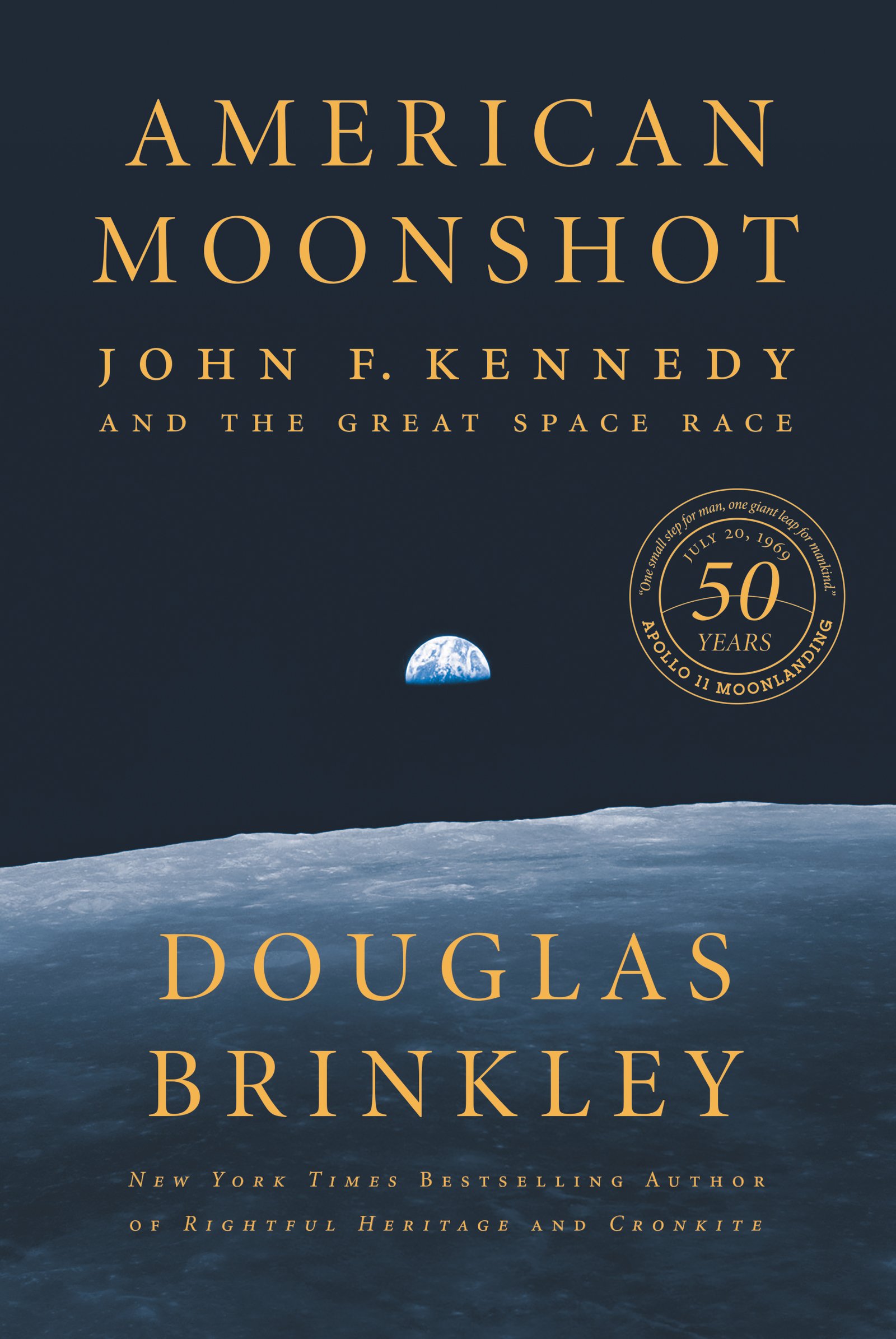
American Moonshot: John F. Kennedy and the Great Space Race

There Was an Old Lady Who Swallowed a Chick!
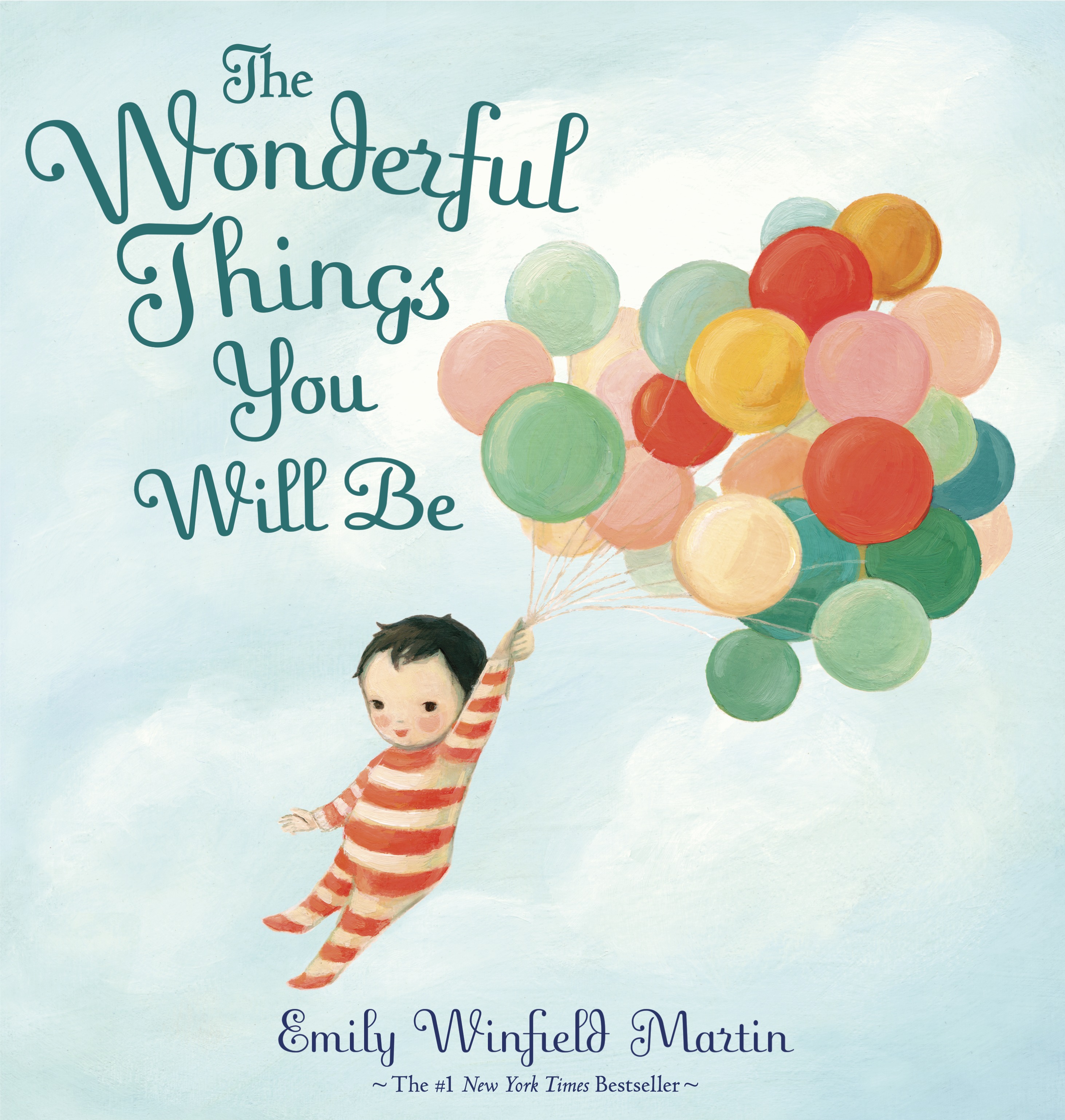
The Wonderful Things You Will Be
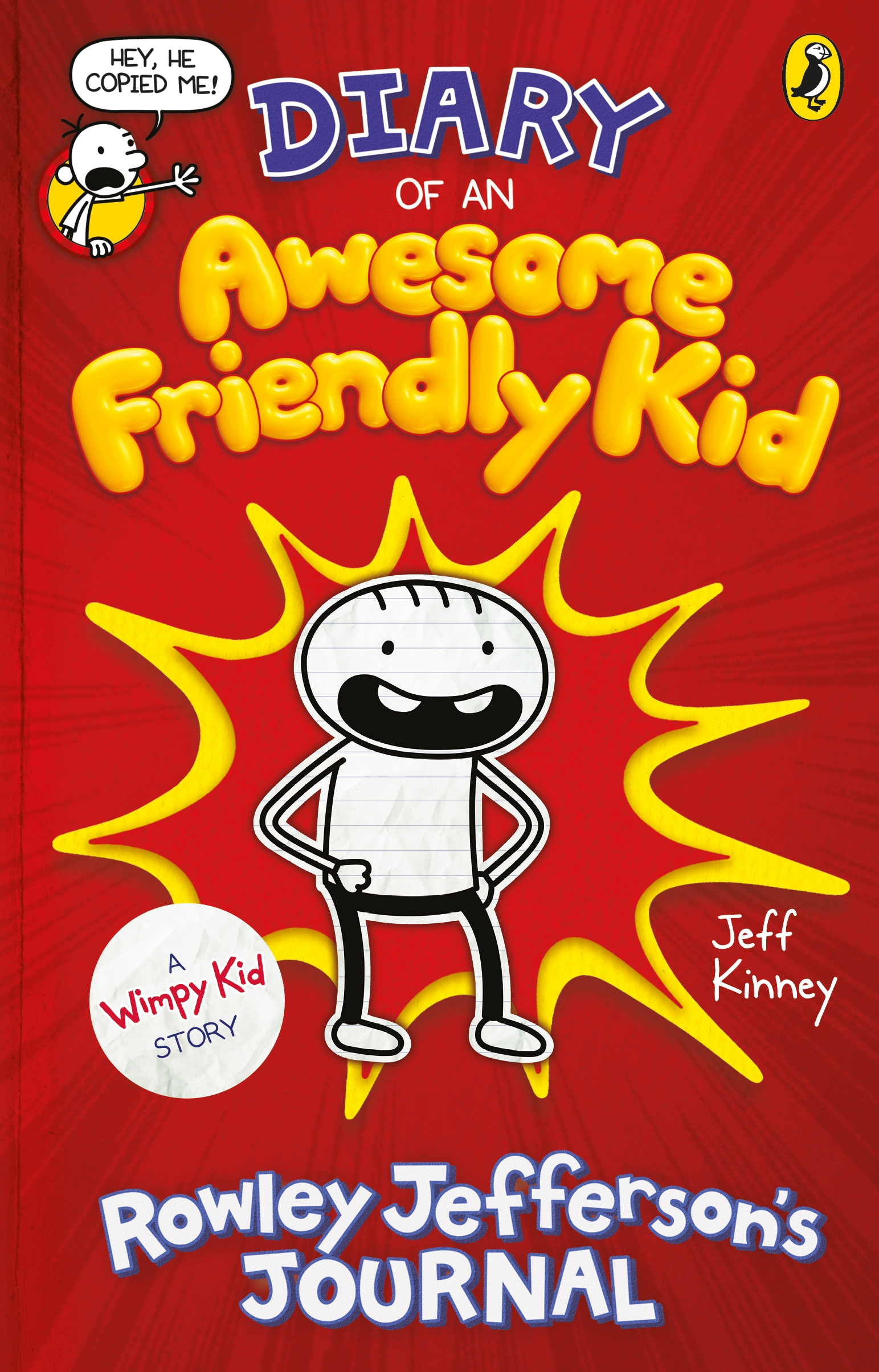
Diary of an Awesome Friendly Kid: Rowley Jefferson's Journal

Made for Me
Clean & Lean: 30 Days, 30 Foods, a New You!

House of Shadows: An Enthralling Historical Mystery
Hurricane Season

Settings
Reflow text when sidebars are open.
