
- Browse Category
Subjects
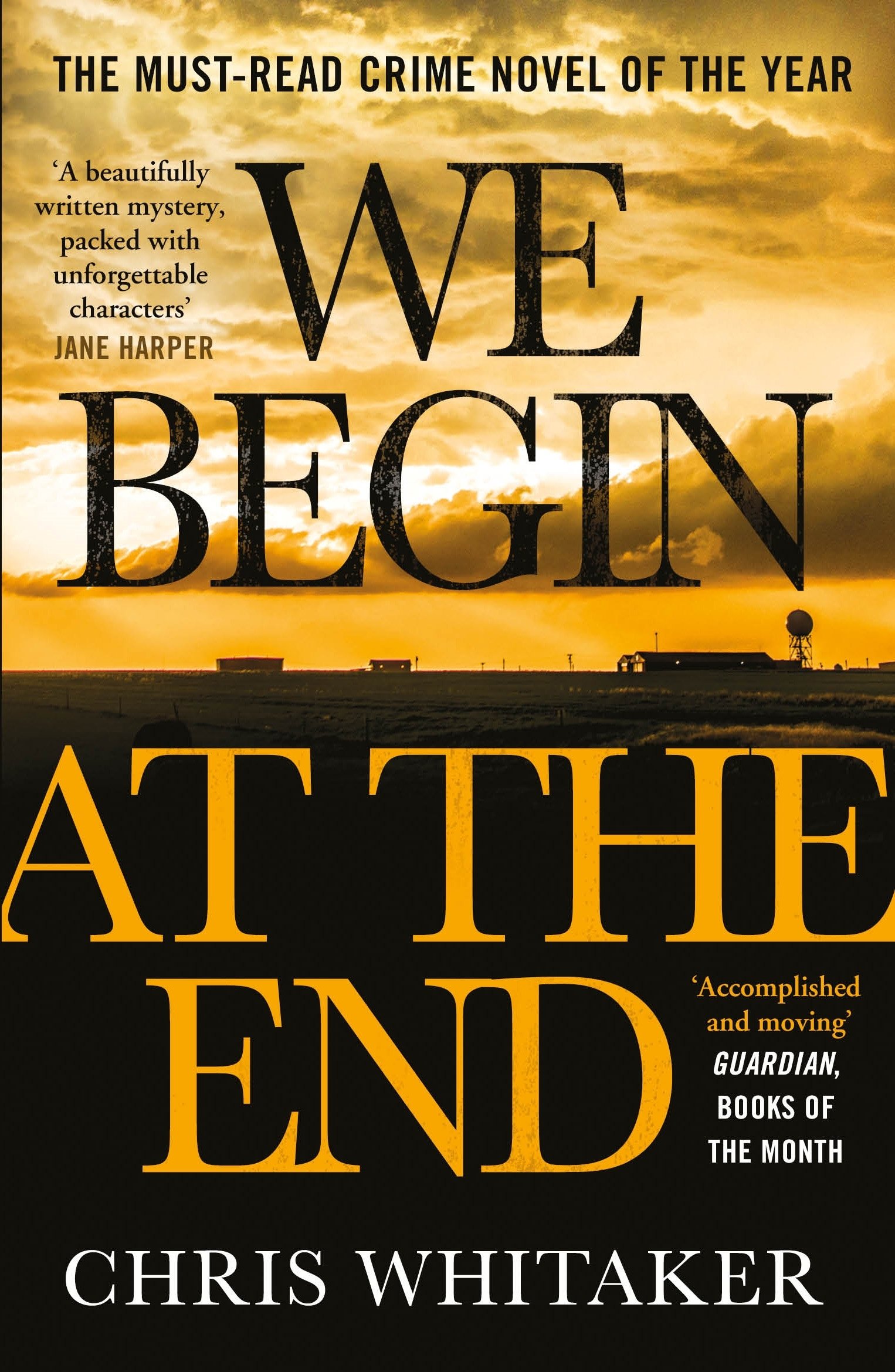 We Begin at the EndLearn More
 - Choice Picks
- Top 100 Free Books
- Blog
- Recently Added
- Submit your eBook
- Browse Category
We Begin at the EndLearn More
- Choice Picks
- Top 100 Free Books
- Blog
- Recently Added
- Submit your eBook
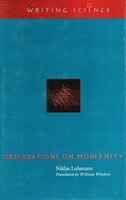
Observations on Modernity
2021-07-21 01:55:06
This collection of five essays by Germany''s most prominent and influential social thinker both links Luhmann''s social theory to the question "What is modern about modernity?" and shows the origins and context of his theory.In the introductory essay...
Read more
This collection of five essays by Germany''s most prominent and influential social thinker both links Luhmann''s social theory to the question "What is modern about modernity?" and shows the origins and context of his theory.In the introductory essay, "Modernity in Contemporary Society," Luhmann develops the thesis that the modern epistemological situation can be seen as the consequence of a radical change in social macrostructures that he calls "social differentiation," thereby designating the juxtaposition of and interaction between a growing number of social subsystems without any hierarchical structure. "European Rationality" defines rationality as the capacity to see the difference between systems and their environment as a unity. Luhmann argues that, in a world characterized by contingency, rationality tends to become coextensive with imagination, a view that challenges their classical binary opposition and opens up the possibility of seeing modern rationality as a paradox. In the third essay, "Contingency as Modern Society''s Defining Attribute," Luhmann develops a further and probably even more important paradox: that the generalization of contingency or cognitive uncertainty is precisely what provides stability within modern societies. In the process, he argues that medieval and early modern theology can be seen as a "preadaptive advance" through which Western thinking prepared itself for the modern epistemological situation. In "Describing the Future," Luhmann claims that neither the traditional hope of learning from history nor the complementary hope of cognitively anticipating the future can be maintained, and that the classical concept of the future should be replaced by the notion of risk, defined as juxtaposing the expectation of realizing certain projects and the awareness that such projects might fail. The book concludes with "The Ecology of Ignorance," in which Luhmann outlines prospective research areas "for sponsors who have yet to be identified."
Less

Compare Prices
| Store | Availability | Book Format | Condition | Price |
|---|---|---|---|---|
| Indigo Books & Music | In Stock | Buy CAD 38.95 |
Available Discount
No Discount available
Related Books
View All
Commander in Cheat: How Golf Explains Trump

House of Shadows: An Enthralling Historical Mystery

Good Night, Little Blue Truck

The Silent Woman (Cat Carlisle, Book 1)

The Book Club

The Secret Wife: A captivating story of romance, passion and mystery

Twinkle, Twinkle, Little Star (Indestructibles Series)
The Wonderful Things You Will Be
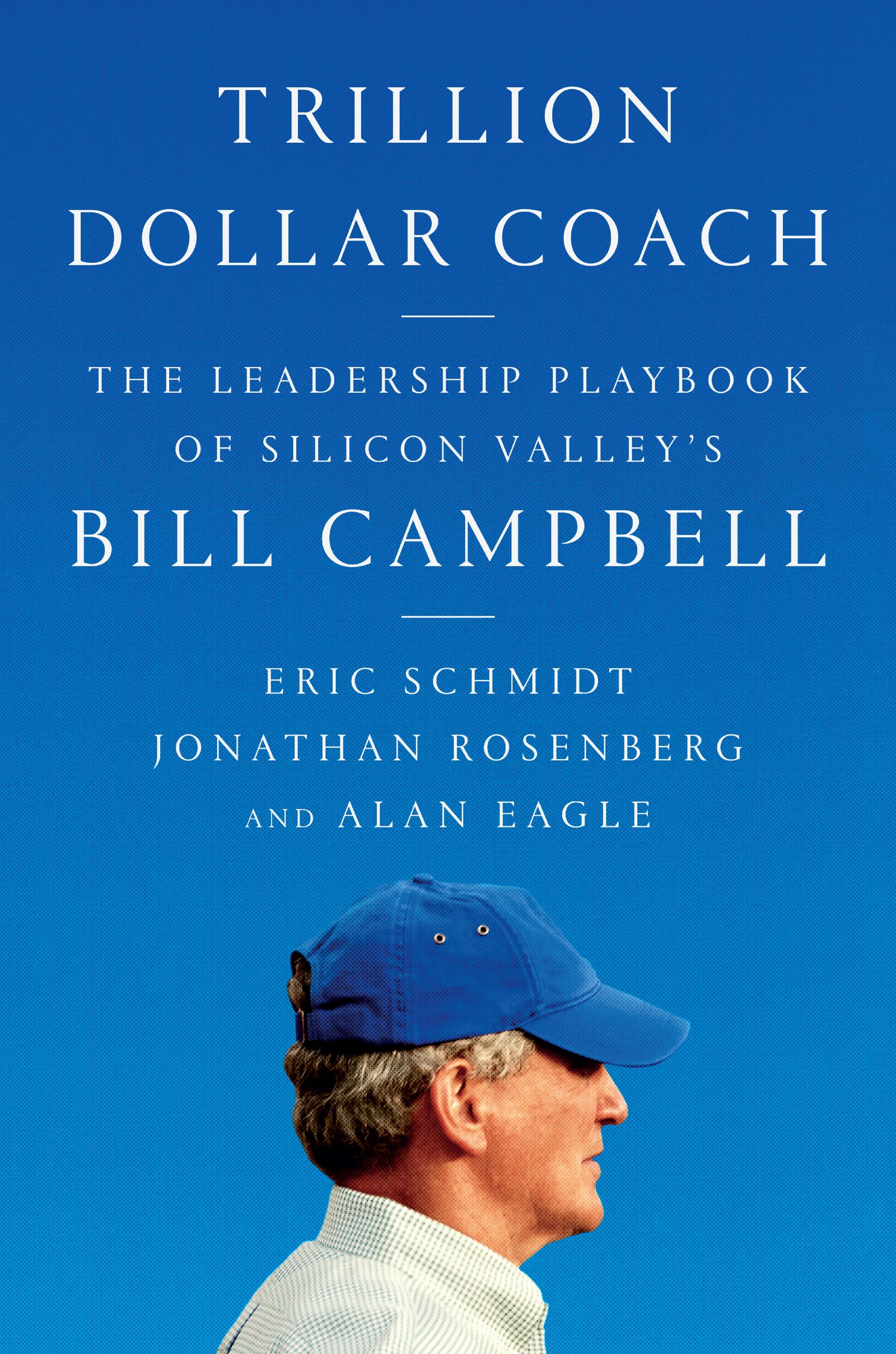
Trillion Dollar Coach: The Leadership Playbook of Silicon Valley's Bill Campbell

Secrets Between Us: An absolutely gripping psychological thriller
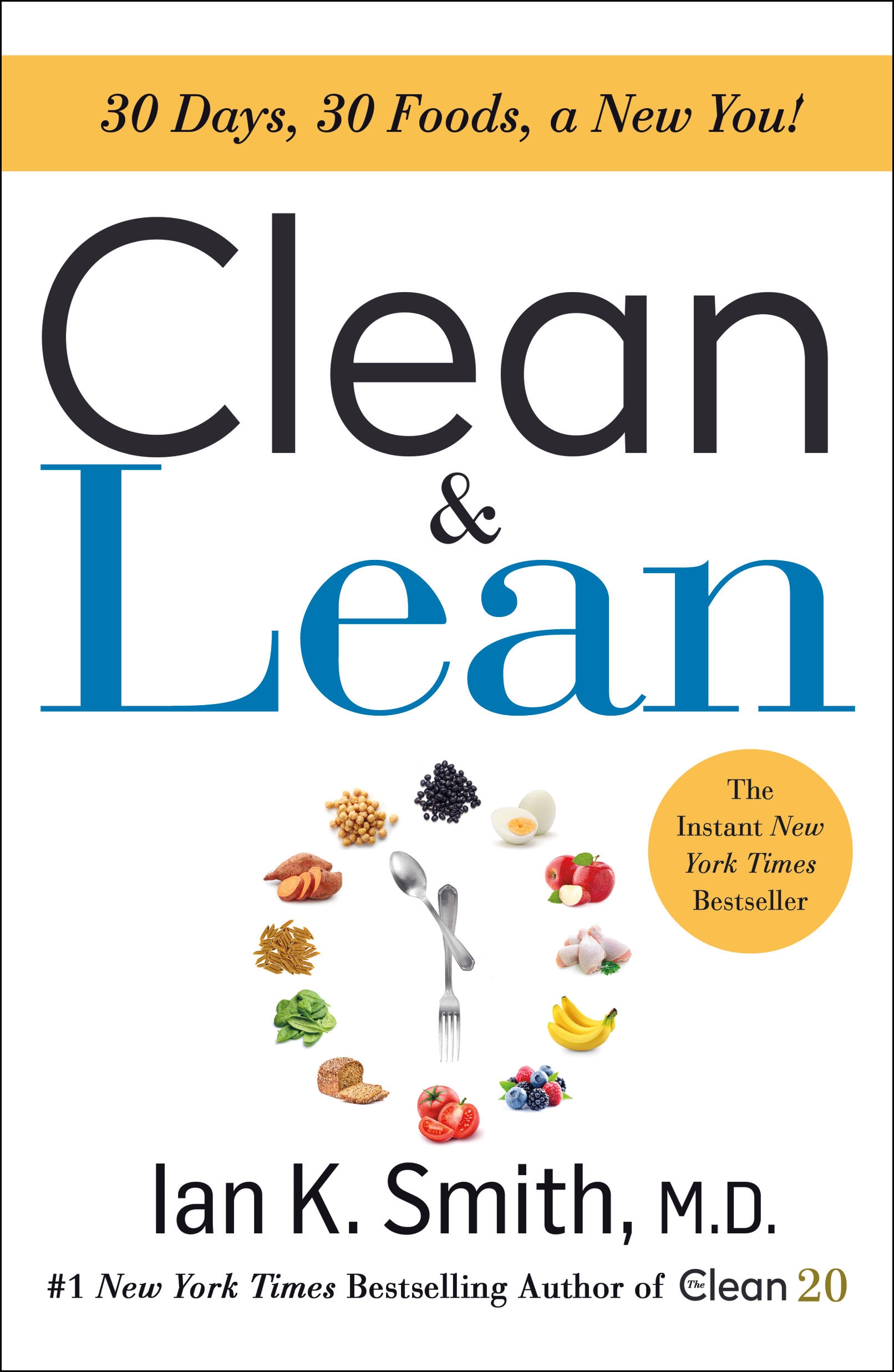
Clean & Lean: 30 Days, 30 Foods, a New You!
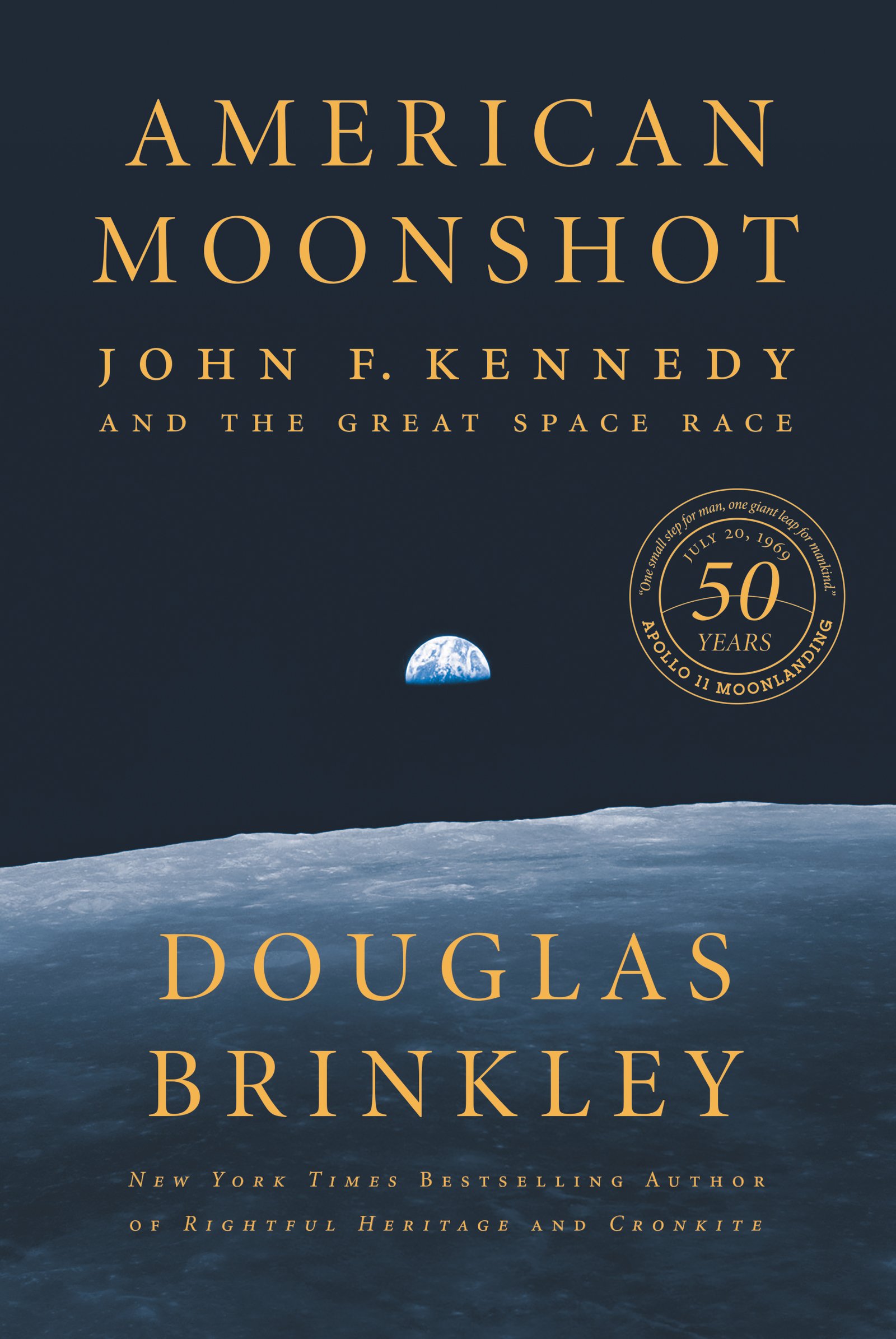
American Moonshot: John F. Kennedy and the Great Space Race
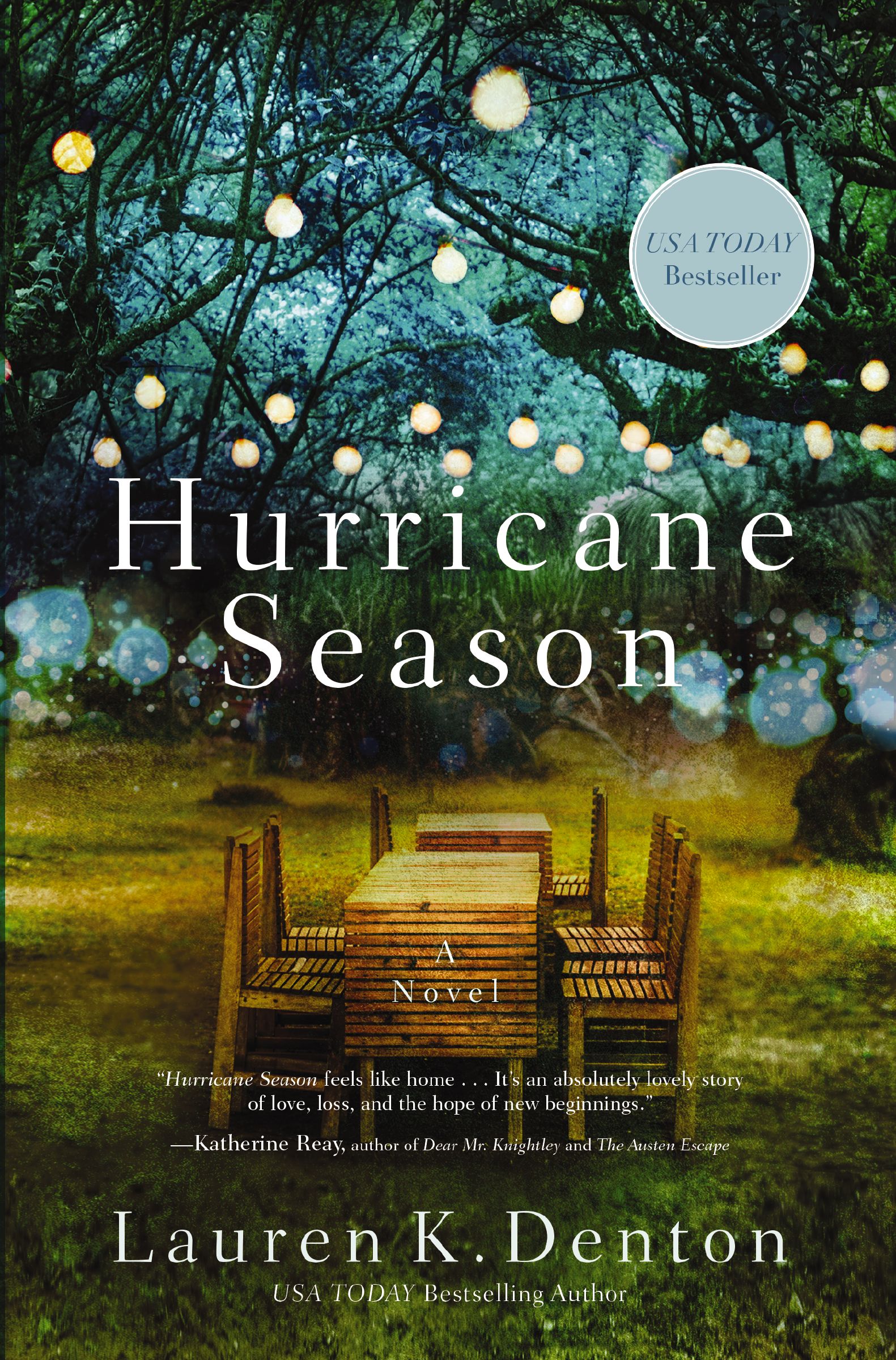
Hurricane Season

Life Will Be the Death of Me: ...And You Too!
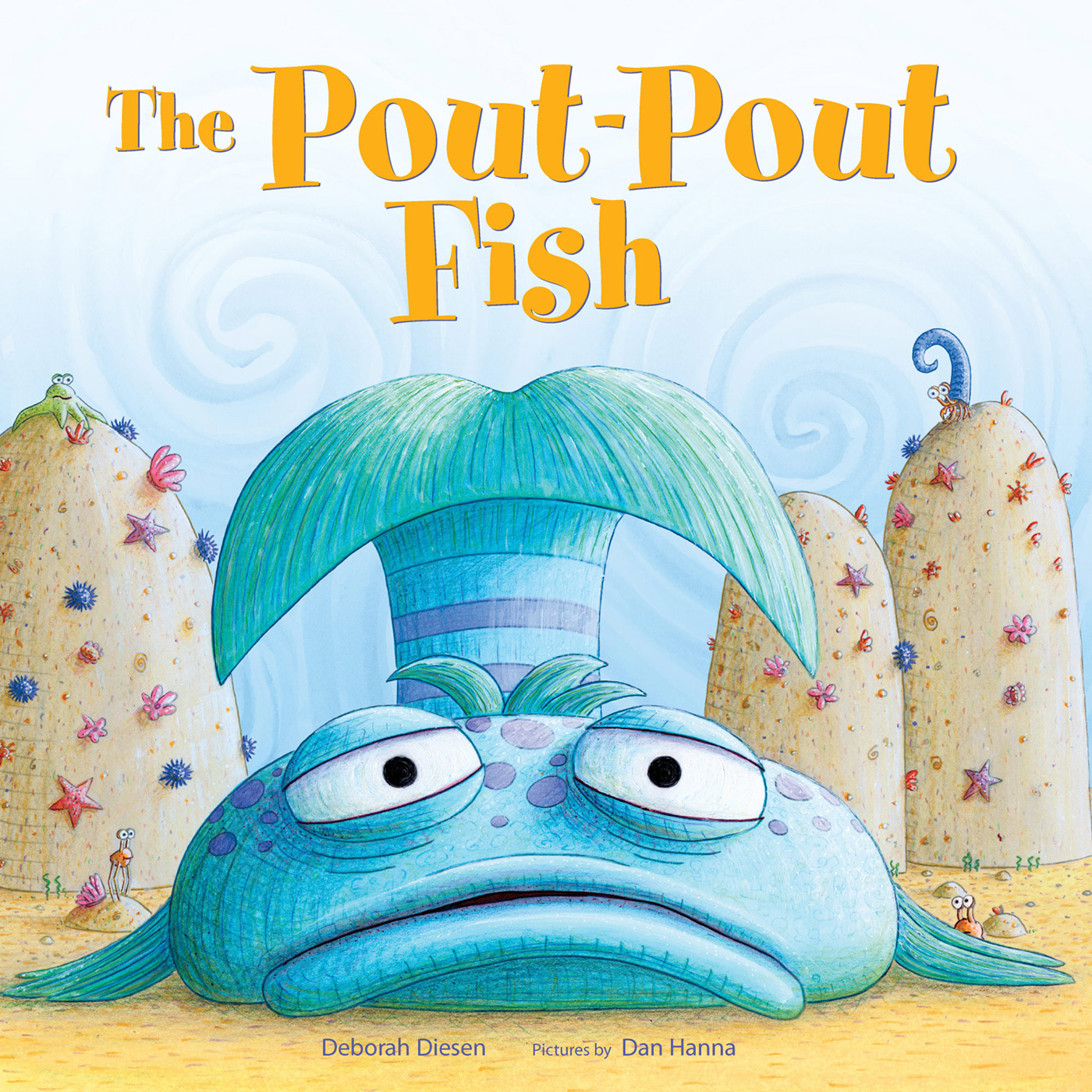
The Pout-Pout Fish

Made for Me
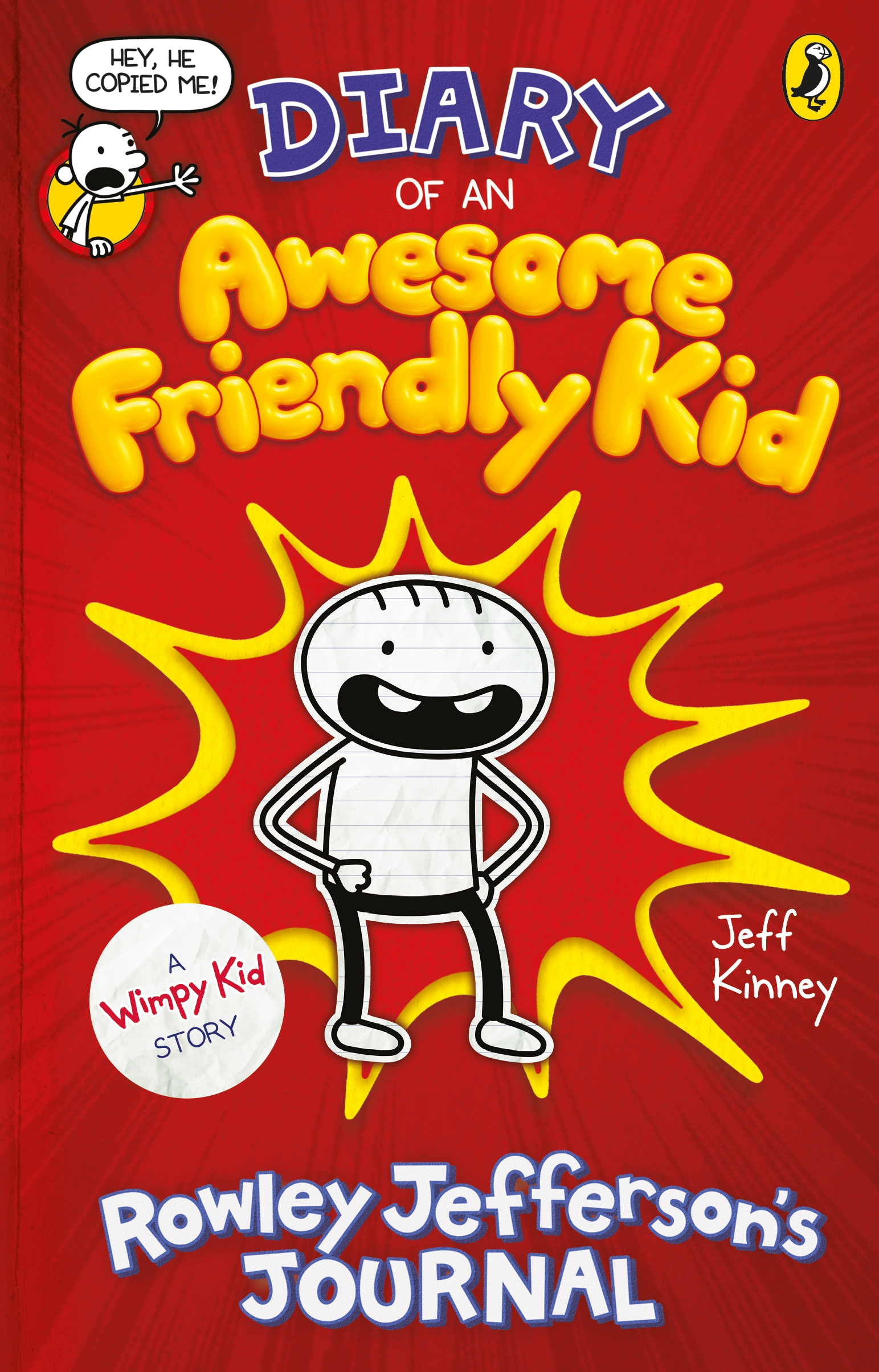
Diary of an Awesome Friendly Kid: Rowley Jefferson's Journal

You Be You: Detox Your Life, Crush Your Limitations, and Own Your Awesome

We Are Not Friends (You Are Not Small)
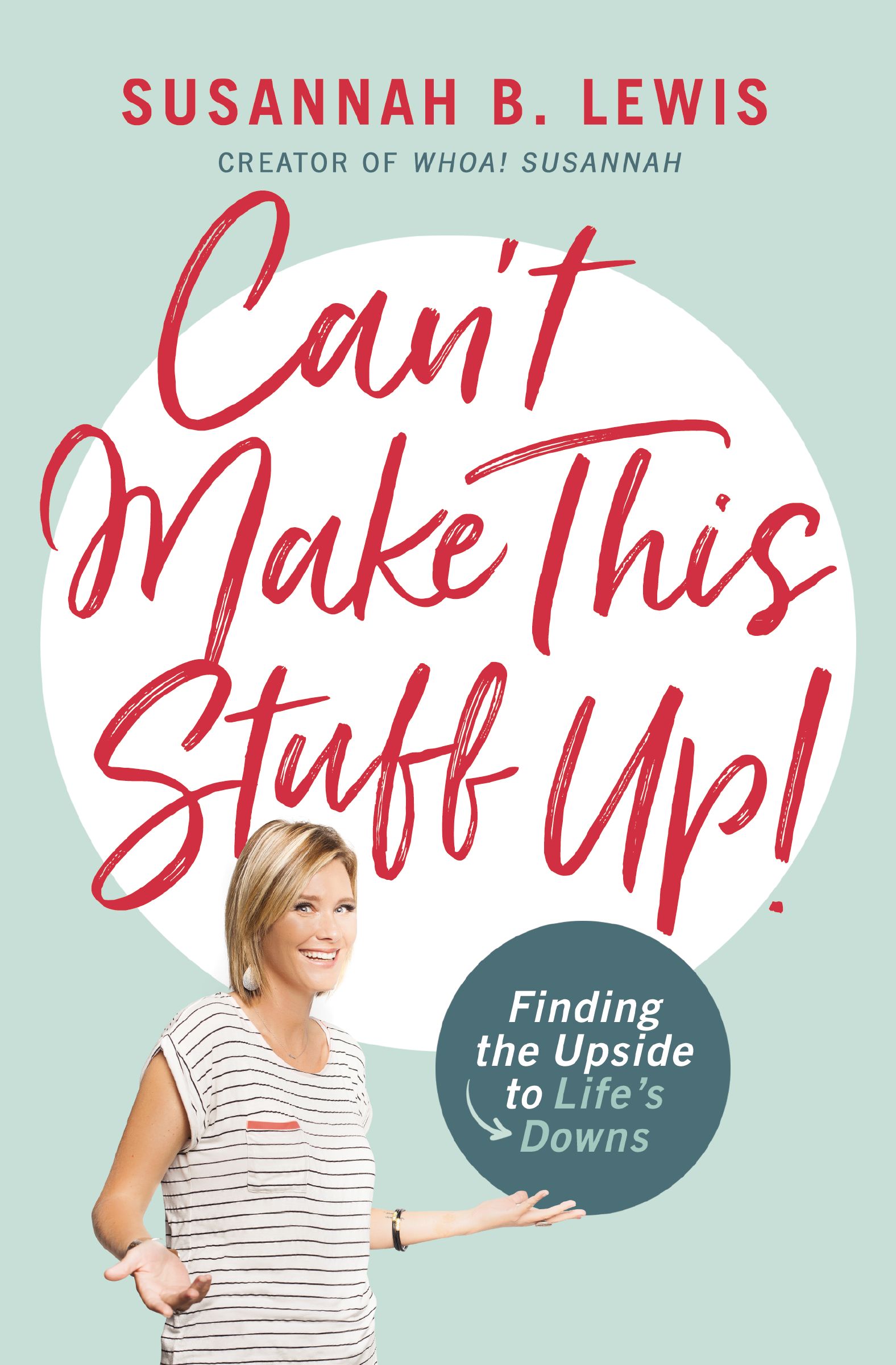
Can't Make This Stuff Up!: Finding the Upside to Life's Downs

Going to School
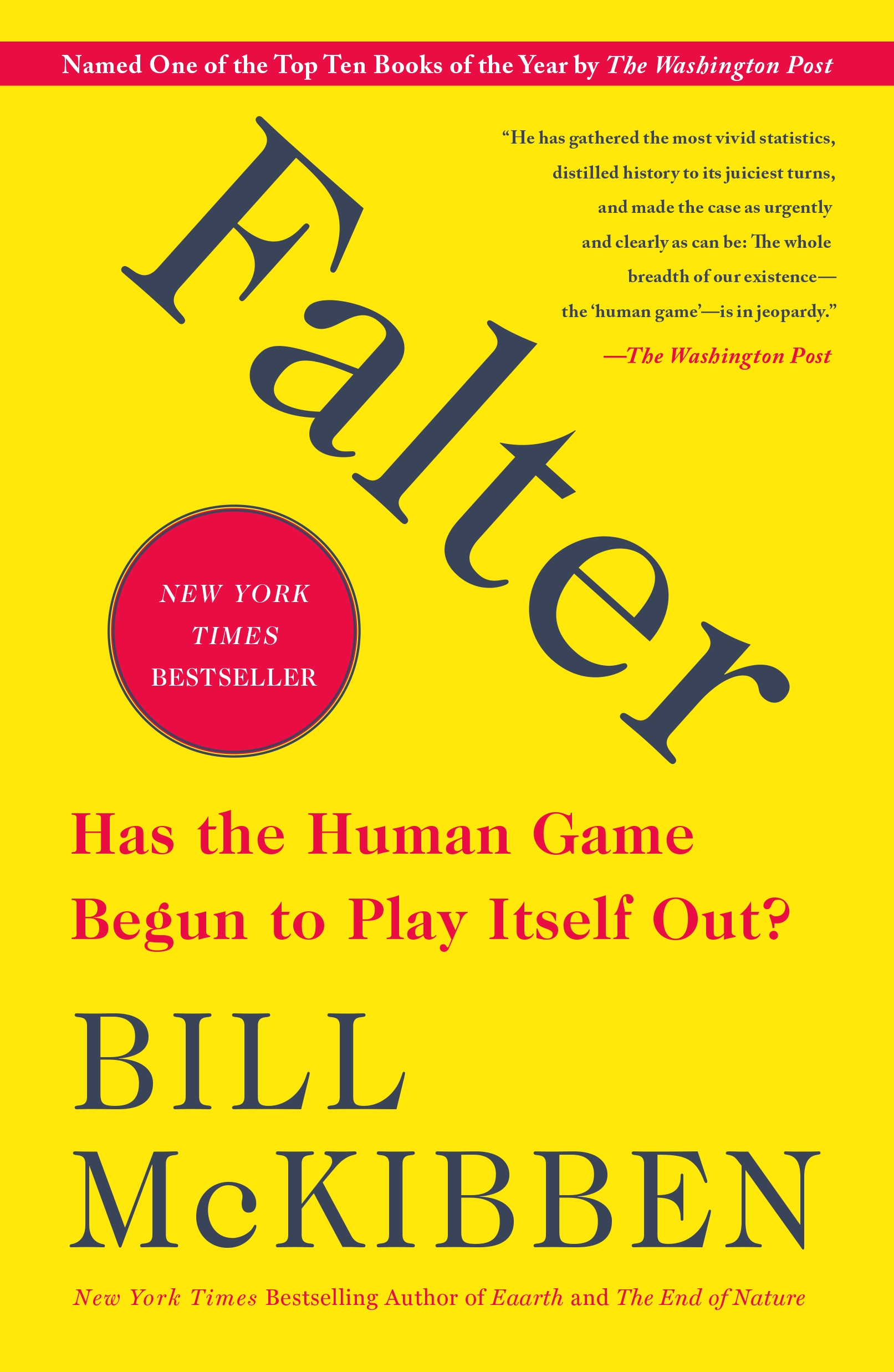
Falter: Has the Human Game Begun to Play Itself Out?

Row, Row, Row Your Boat (Indestructibles Series)

There Was an Old Lady Who Swallowed a Chick!

Feed Your Best Friend Better: Easy, Nutritious Meals and Treats for Dogs

Settings
Reflow text when sidebars are open.
