
- Browse Category
Subjects
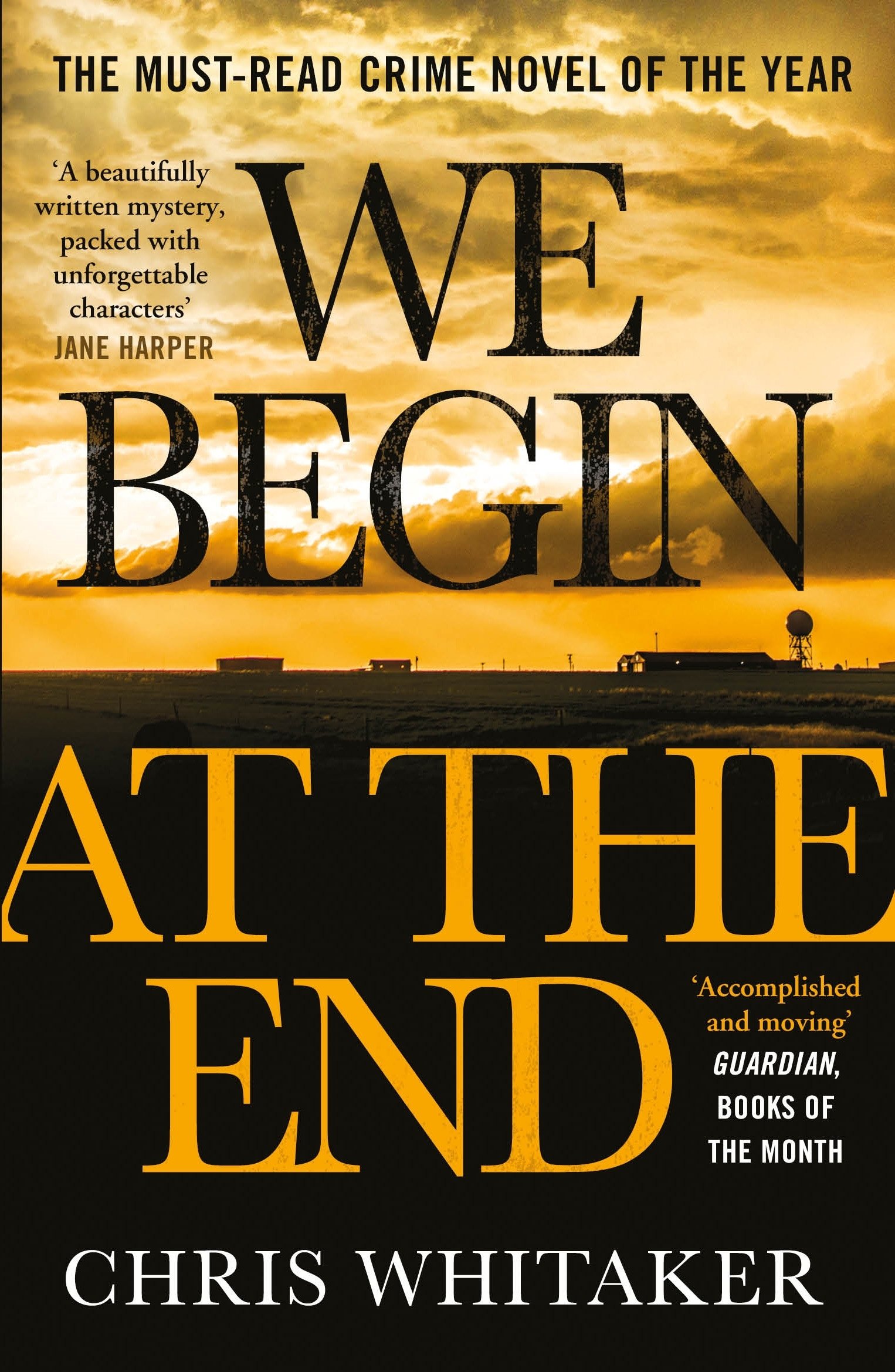 We Begin at the EndLearn More
 - Choice Picks
- Top 100 Free Books
- Blog
- Recently Added
- Submit your eBook
- Browse Category
We Begin at the EndLearn More
- Choice Picks
- Top 100 Free Books
- Blog
- Recently Added
- Submit your eBook
Ozone Depletion From Nearby Supernovae
2021-05-26 16:51:19
Estimates made in the 1970's indicated that a supernova occurring within tens of parsecs of Earth could have significant effects on the ozone layer. Since that time improved tools for detailed modeling of atmospheric chemistry have been developed to ...
Read more
Estimates made in the 1970's indicated that a supernova occurring within tens of parsecs of Earth could have significant effects on the ozone layer. Since that time improved tools for detailed modeling of atmospheric chemistry have been developed to calculate ozone depletion, and advances have been made also in theoretical modeling of supernovae and of the resultant gamma ray spectra. In addition, one now has better knowledge of the occurrence rate of supernovae in the galaxy, and of the spatial distribution of progenitors to core-collapse supernovae. We report here the results of two-dimensional atmospheric model calculations that take as input the spectral energy distribution of a supernova, adopting various distances from Earth and various latitude impact angles. In separate simulations we calculate the ozone depletion due to both gamma rays and cosmic rays. We find that for the combined ozone depletion from these effects roughly to double the 'biologically active' UV flux received at the surface of the Earth, the supernova must occur at approximately or less than 8 parsecs.
Less

Compare Prices
| Store | Availability | Book Format | Condition | Price |
|---|---|---|---|---|
| Indigo Books & Music | In Stock | Buy CAD 16.99 |
Available Discount
No Discount available
Related Books
View All
Row, Row, Row Your Boat (Indestructibles Series)
Falter: Has the Human Game Begun to Play Itself Out?

Commander in Cheat: How Golf Explains Trump
American Moonshot: John F. Kennedy and the Great Space Race
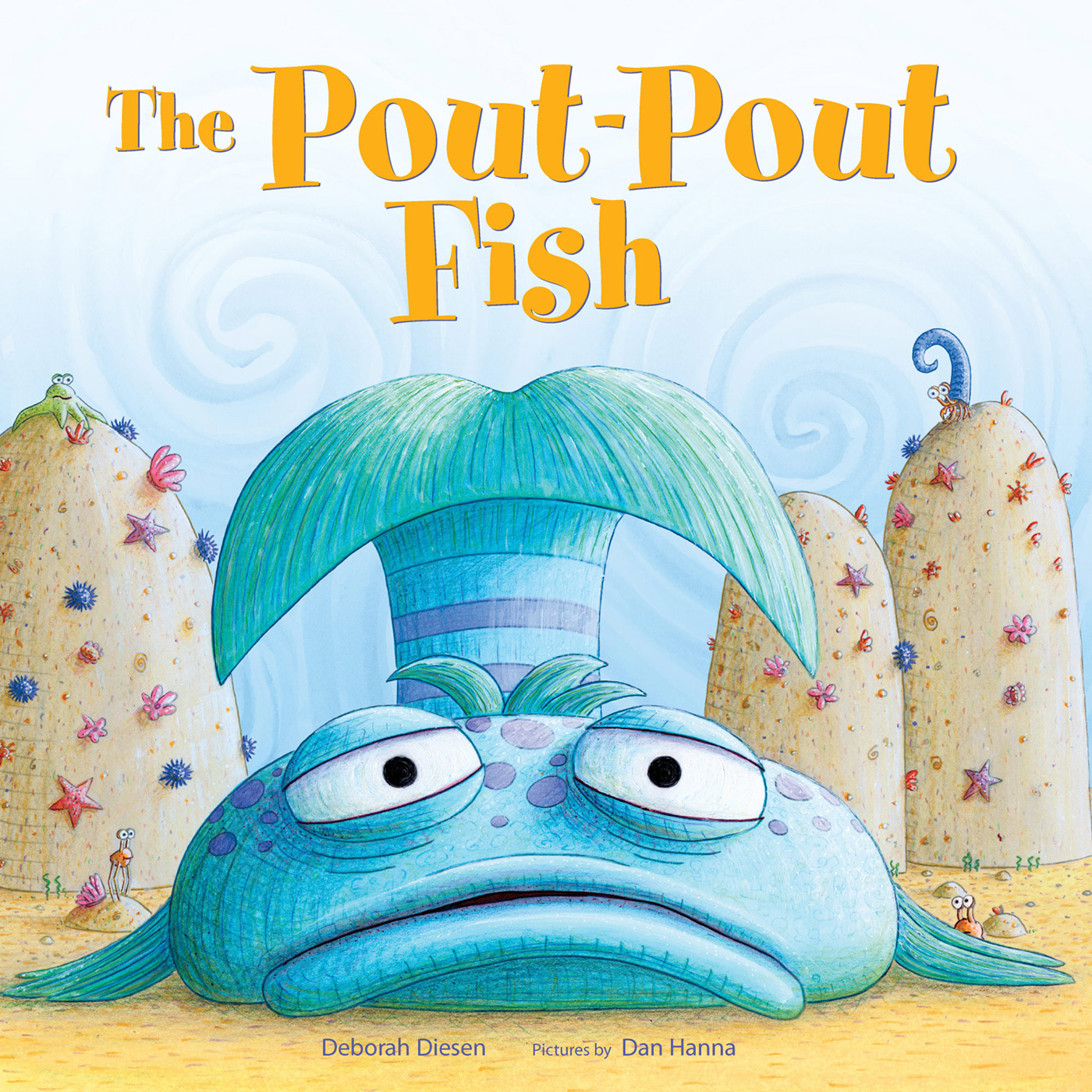
The Pout-Pout Fish
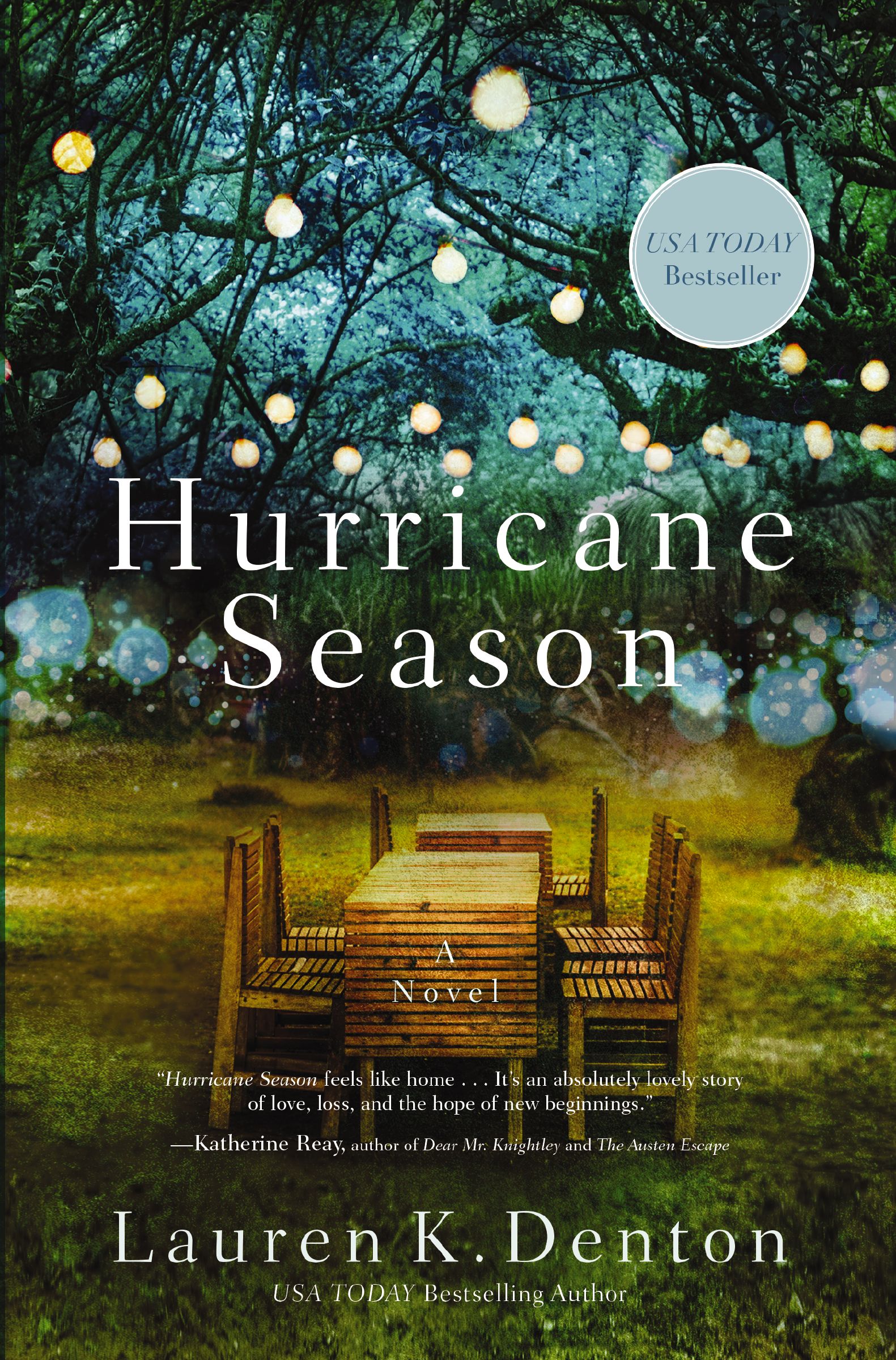
Hurricane Season

Secrets Between Us: An absolutely gripping psychological thriller

There Was an Old Lady Who Swallowed a Chick!
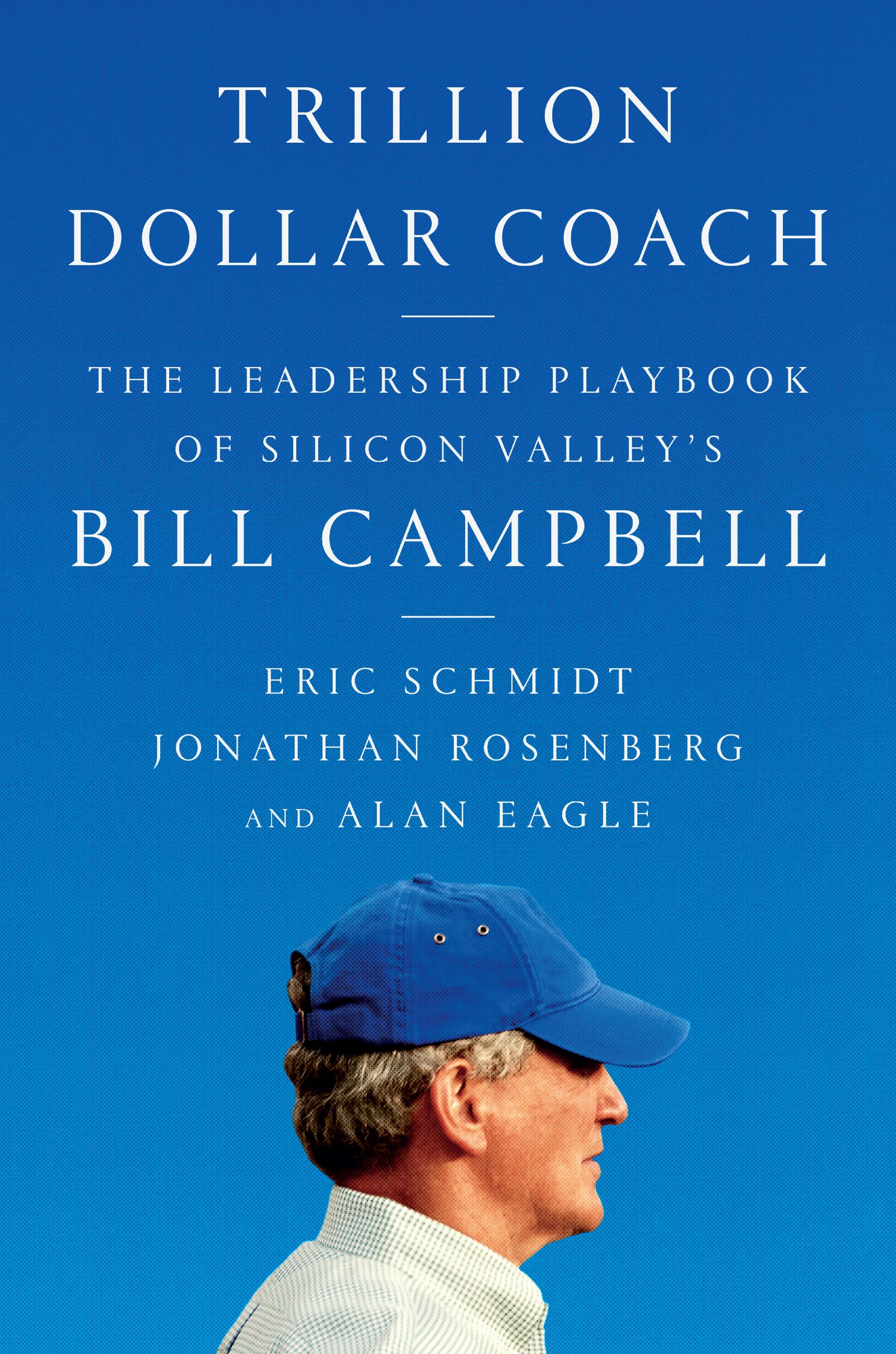
Trillion Dollar Coach: The Leadership Playbook of Silicon Valley's Bill Campbell

The Book Club

Good Night, Little Blue Truck

The Silent Woman (Cat Carlisle, Book 1)

Feed Your Best Friend Better: Easy, Nutritious Meals and Treats for Dogs

House of Shadows: An Enthralling Historical Mystery

Going to School

The Secret Wife: A captivating story of romance, passion and mystery
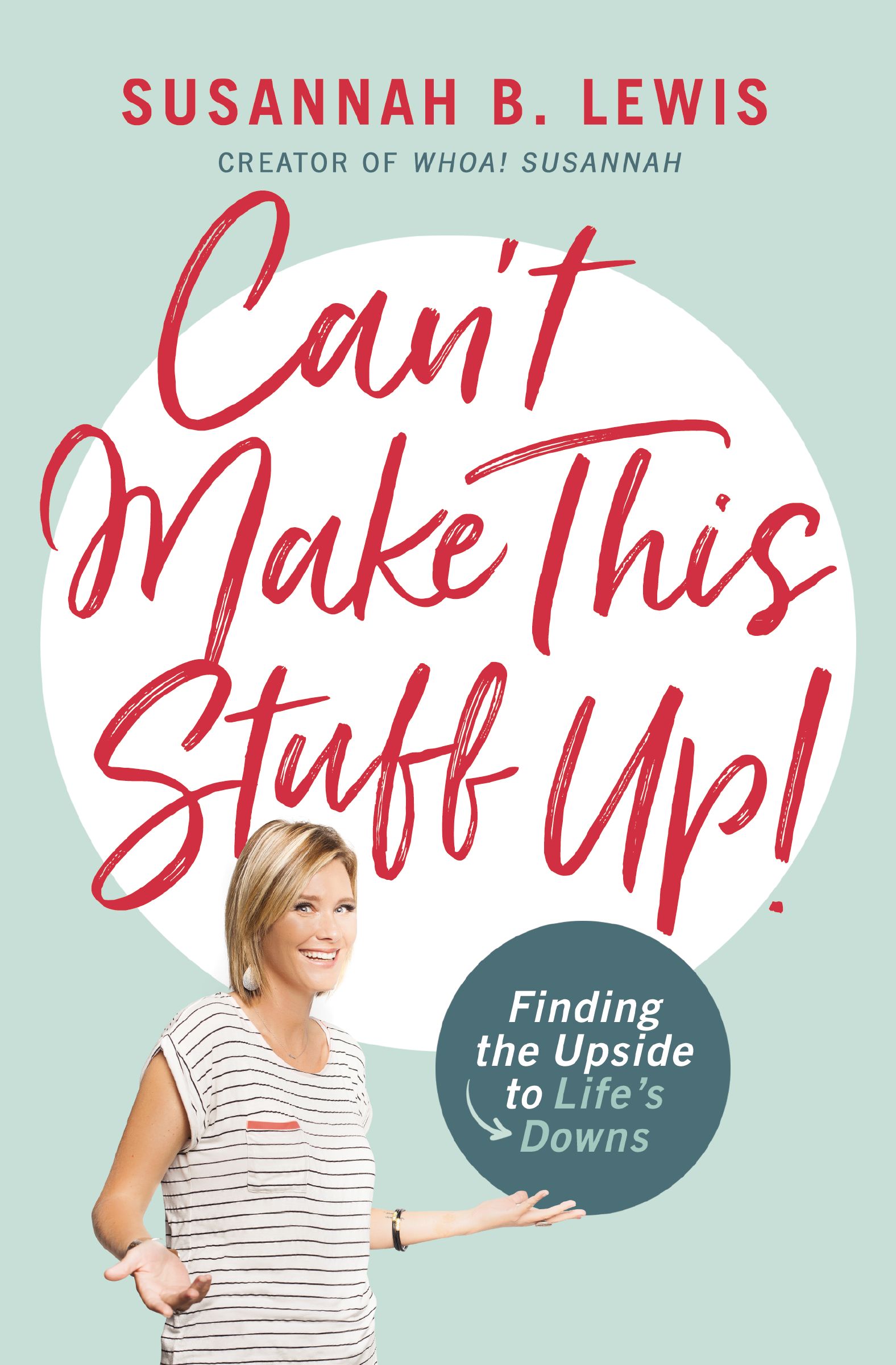
Can't Make This Stuff Up!: Finding the Upside to Life's Downs

Made for Me

Life Will Be the Death of Me: ...And You Too!
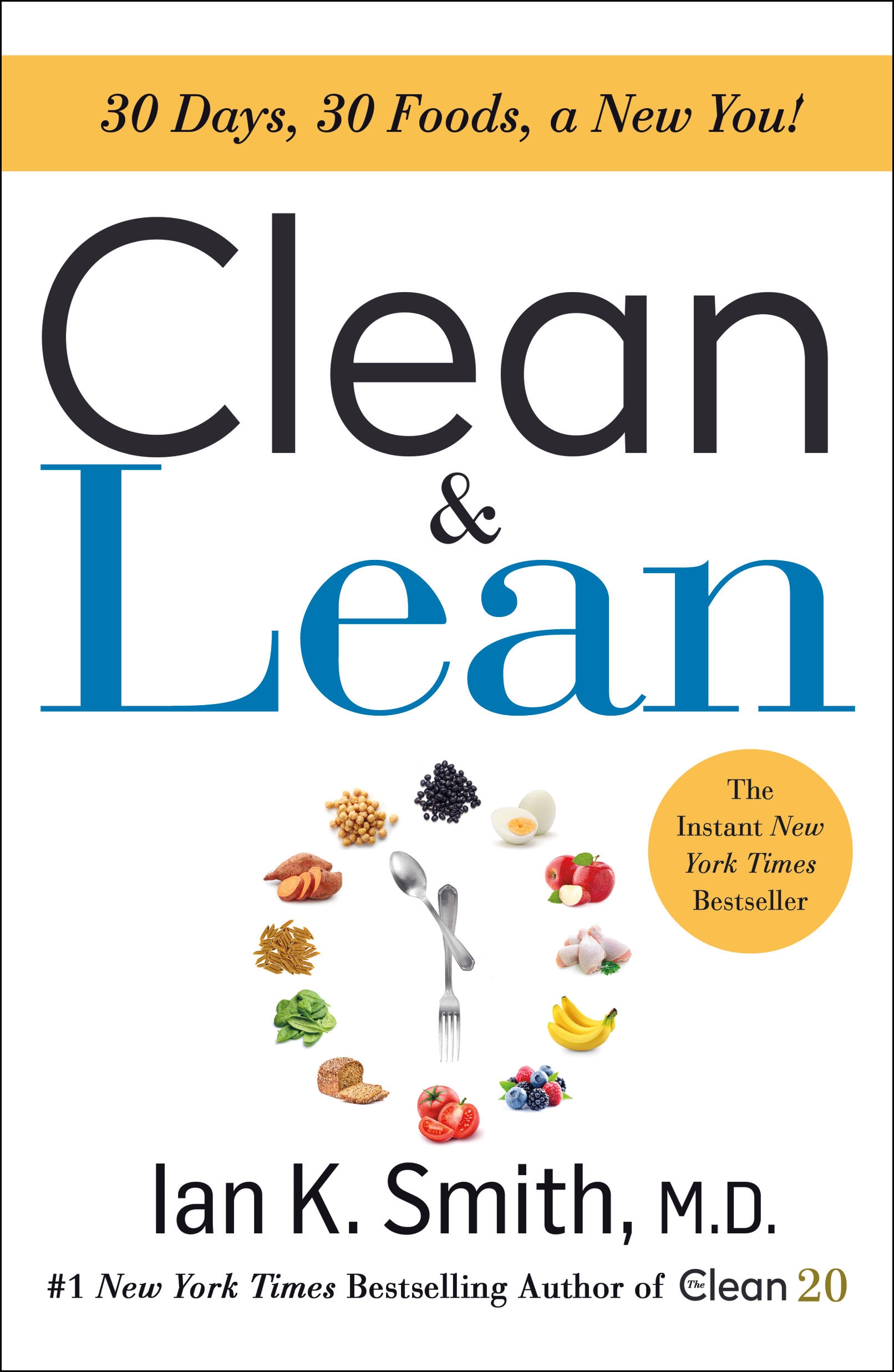
Clean & Lean: 30 Days, 30 Foods, a New You!

You Be You: Detox Your Life, Crush Your Limitations, and Own Your Awesome

We Are Not Friends (You Are Not Small)
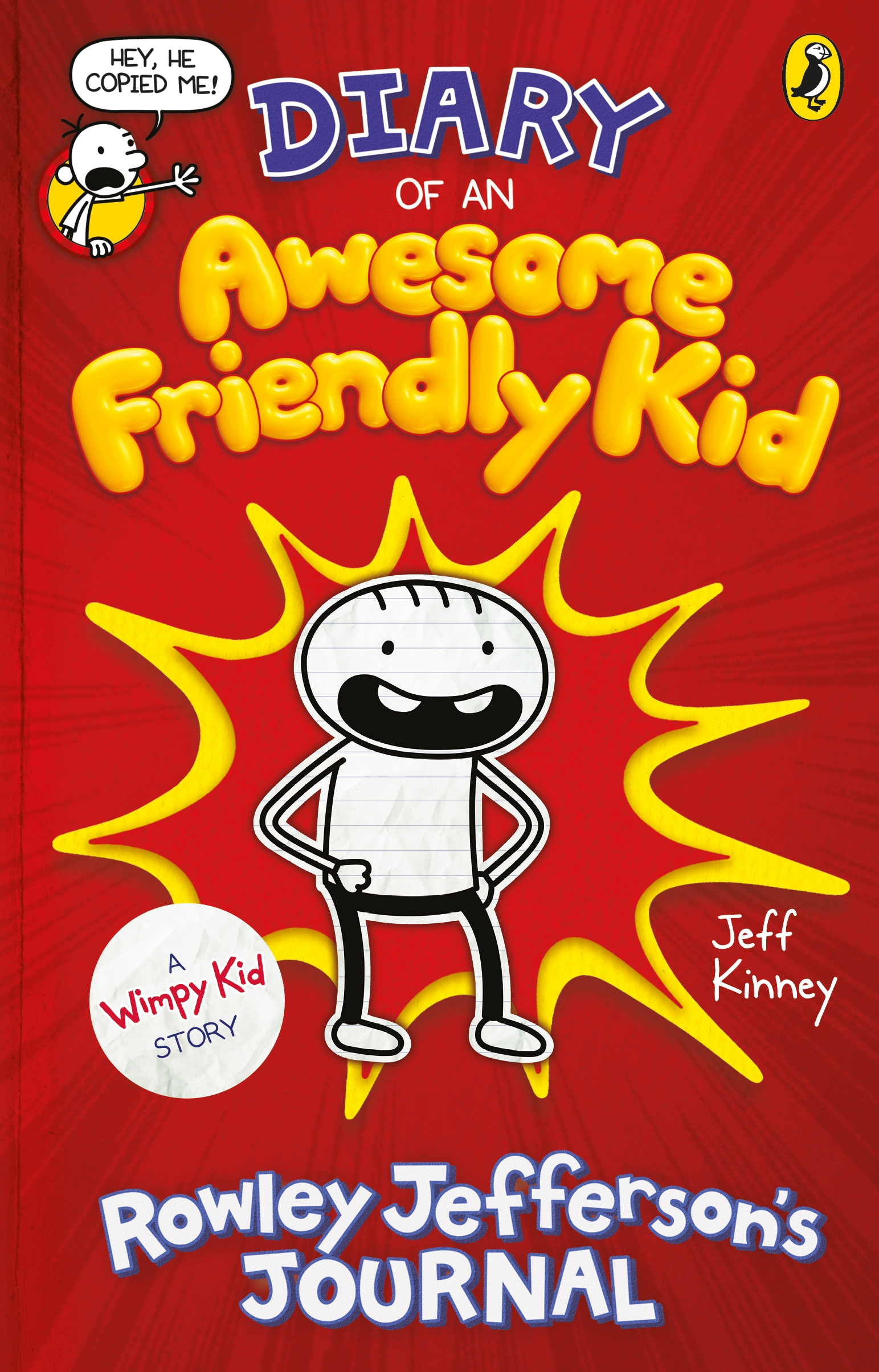
Diary of an Awesome Friendly Kid: Rowley Jefferson's Journal

Twinkle, Twinkle, Little Star (Indestructibles Series)
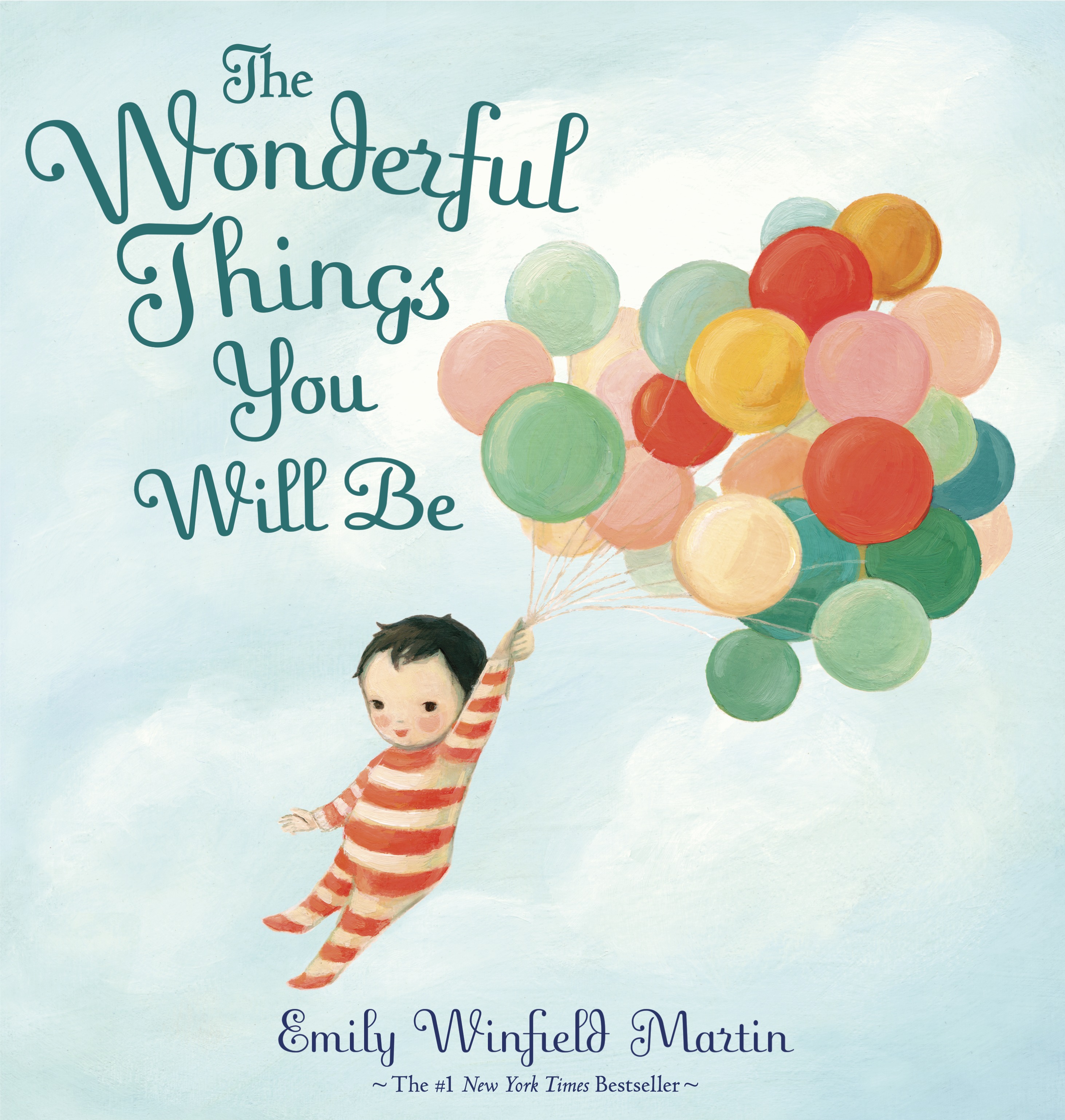
The Wonderful Things You Will Be

Settings
Reflow text when sidebars are open.
