
- Browse Category
Subjects
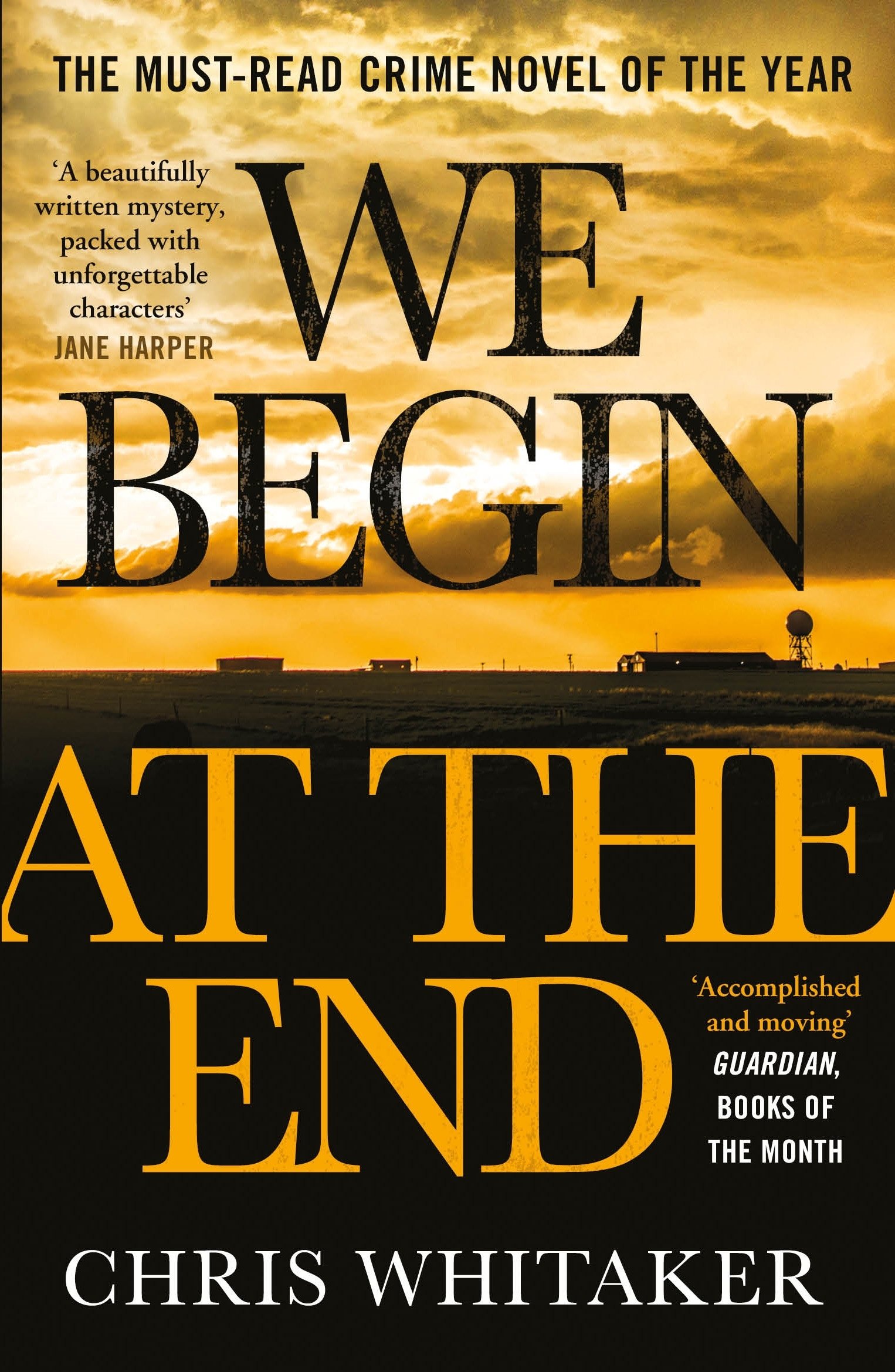 We Begin at the EndLearn More
 - Choice Picks
- Top 100 Free Books
- Blog
- Recently Added
- Submit your eBook
- Browse Category
We Begin at the EndLearn More
- Choice Picks
- Top 100 Free Books
- Blog
- Recently Added
- Submit your eBook
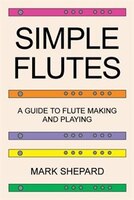
Simple Flutes: A Guide to Flute Making and Playing, or How to Make and Play Simple Homemade Musical Instruments fr
2021-07-20 20:22:01
Simple flutes of bamboo, wood, metal, plastic, or clay can be a joy to play and make. This book gives you the basics of simple flute playing, then offers guidelines for making flutes of your own from a variety of materials. It even includes a handy c...
Read more
Simple flutes of bamboo, wood, metal, plastic, or clay can be a joy to play and make. This book gives you the basics of simple flute playing, then offers guidelines for making flutes of your own from a variety of materials. It even includes a handy chart for "where to put the holes." "Simple Flutes" is a must for simple flute players and makers!
////////////////////////////////////////////////////
Mark Shepard is the author of "How to Love Your Flute," hailed by Paul Horn as "a model for our times," as well as the craft guide "Simple Flutes." For many years, he was a professional artisan, making and selling flutes of bamboo or plastic.
////////////////////////////////////////////////////
"Contains the essense of a tremendous amount of experience." -- Sam Hinton, Sing Out
"An excellent overview." -- Monty Levenson, Tai Hei Shakuhachi
"A slim, elegantly presented, and highly practical guide. . . . First-rate, user friendly." -- Midwest Book Review, Aug. 2002
"This thin volume contains a wealth of information." -- Linda Dailey Paulson, Dirty Linen, Oct.-Nov. 2002
////////////////////////////////////////////////////
CONTENTS
1 ~ PLAYING
The Sound ~ The Hands ~ The Notes ~ Second Octave ~ Sharps and Flats ~ Breath and Tonguing ~ Making Music ~ Flute Care ~
2~ MAKING
Flute Qualities ~ The Flute Tube ~ The Mouthhole ~ The Fingerholes ~ Tuning ~ Stoppers ~ Finishes ~ Plastic ~ Bamboo ~ Wood ~ Clay ~ Metal ~ Other ~
////////////////////////////////////////////////////
SAMPLE
Here are the two most important rules for tuning:
-- A hole will give a higher note if it is placed closer to the mouthhole. It will give a lower note if placed farther away.
-- A hole will give a higher note if made larger. It will give a lower note if smaller.
These rules mean you can "raise" a note by enlarging the hole or by placing the hole closer to the mouthhole. You can "lower" the note by using a smaller hole or by placing the hole farther from the mouthhole.
It also means you can change the hole size and its placement without changing the note. A larger hole could be placed farther from the mouthhole, or a smaller hole placed closer to the mouthhole.
Less

Compare Prices
| Store | Availability | Book Format | Condition | Price |
|---|---|---|---|---|
| Indigo Books & Music | In Stock | Buy CAD 10.00 |
Available Discount
No Discount available
Related Books
View All
We Are Not Friends (You Are Not Small)
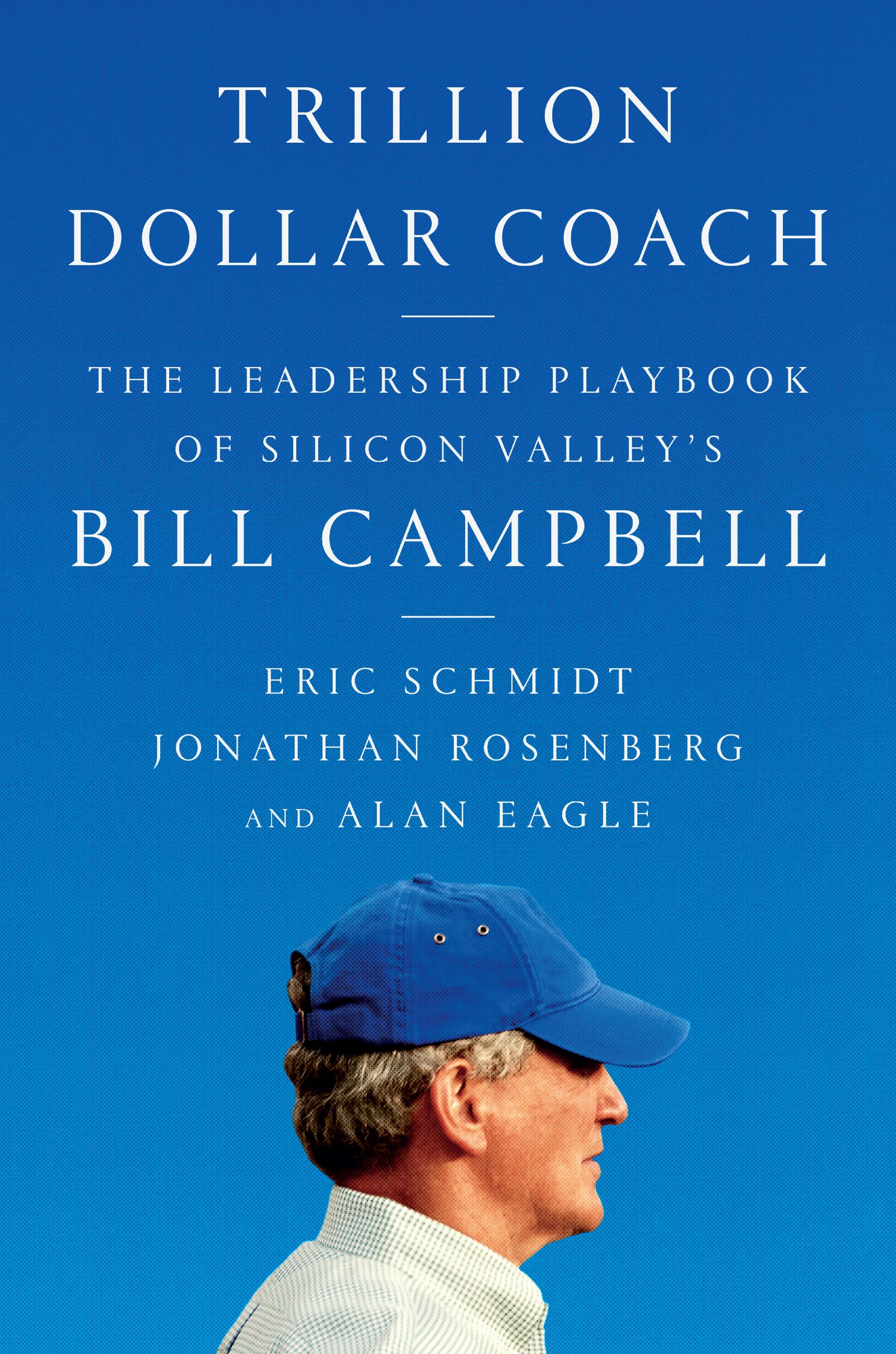
Trillion Dollar Coach: The Leadership Playbook of Silicon Valley's Bill Campbell

You Be You: Detox Your Life, Crush Your Limitations, and Own Your Awesome
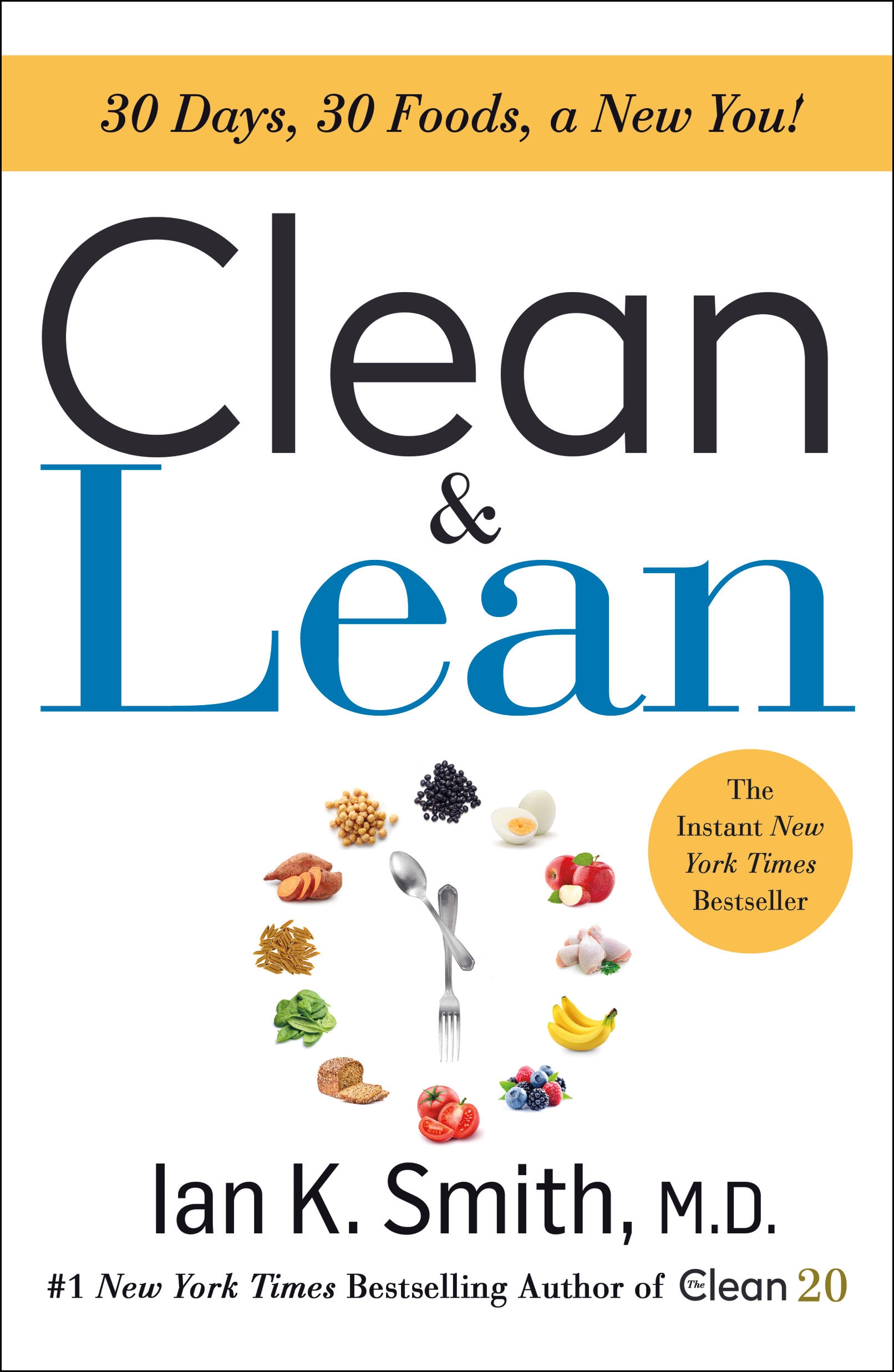
Clean & Lean: 30 Days, 30 Foods, a New You!
Can't Make This Stuff Up!: Finding the Upside to Life's Downs

Life Will Be the Death of Me: ...And You Too!

American Moonshot: John F. Kennedy and the Great Space Race
The Pout-Pout Fish
Secrets Between Us: An absolutely gripping psychological thriller

There Was an Old Lady Who Swallowed a Chick!
Falter: Has the Human Game Begun to Play Itself Out?

Made for Me

House of Shadows: An Enthralling Historical Mystery

Good Night, Little Blue Truck
Diary of an Awesome Friendly Kid: Rowley Jefferson's Journal
Commander in Cheat: How Golf Explains Trump

Going to School

Twinkle, Twinkle, Little Star (Indestructibles Series)

Row, Row, Row Your Boat (Indestructibles Series)
The Wonderful Things You Will Be

The Secret Wife: A captivating story of romance, passion and mystery

The Book Club
Hurricane Season

Feed Your Best Friend Better: Easy, Nutritious Meals and Treats for Dogs

The Silent Woman (Cat Carlisle, Book 1)

Settings
Reflow text when sidebars are open.
