
- Browse Category
Subjects
 We Begin at the EndLearn More
 - Choice Picks
- Top 100 Free Books
- Blog
- Recently Added
- Submit your eBook
- Browse Category
We Begin at the EndLearn More
- Choice Picks
- Top 100 Free Books
- Blog
- Recently Added
- Submit your eBook

Structure-property Relationships Of Bismaleimides
2021-01-11 10:43:06
The purpose of this research was to control and systematically vary the network topology of bismaleimides through cure temperature and chemistry (addition of various coreactants) and subsequently attempt to determine structure-mechanical property rel...
Read more
The purpose of this research was to control and systematically vary the network topology of bismaleimides through cure temperature and chemistry (addition of various coreactants) and subsequently attempt to determine structure-mechanical property relationships. Characterization of the bismaleimide structures by dielectric, rheological, and thermal analyses, and density measurements was subsequently correlated with mechanical properties such as modulus, yield strength, fracture energy, and stress relaxation. The model material used in this investigation was 4,4'-BismaleiMidodIphenyl methane (BMI). BMI was coreacted with either 4,4'-Methylene Dianiline (MDA), o, o'-diallyl bisphenol A (DABA) from Ciba Geigy, or Diamino Diphenyl Sulfone (DDS). Three cure paths were employed: a low- temperature cure of 140 C where chain extension should predominate, a high-temperature cure of 220 C where both chain extension and crosslinking should occur simultaneously, and a low-temperature (140 C) cure followed immediately by a high-temperature (220 C) cure where the chain extension reaction or amine addition precedes BMI homopolymerization or crosslinking. Samples of cured and postcured PMR-15 were also tested to determine the effects of postcuring on the mechanical properties. The low-temperature cure condition of BMI/MDA exhibited the highest modulus values for a given mole fraction of BMI with the modulus decreasing with decreasing concentration of BMI. The higher elastic modulus is the result of steric hindrance by unreacted BMI molecules in the glassy state. The moduli values for the high- and low/high-temperature cure conditions of BMI/MDA decreased as the amount of diamine increased. All the moduli values mimic the yield strength and density trends. For the high-temperature cure condition, the room- temperature modulus remained constant with decreasing mole fraction of BMT for the BMI/DABA and BMI/DDS systems. Postcuring PMR-15 increases the modulus over that of the cured mate
Less

Compare Prices
| Store | Availability | Book Format | Condition | Price |
|---|---|---|---|---|
| Indigo Books & Music | In Stock | Buy CAD 58.21 |
Available Discount
No Discount available
Related Books
View All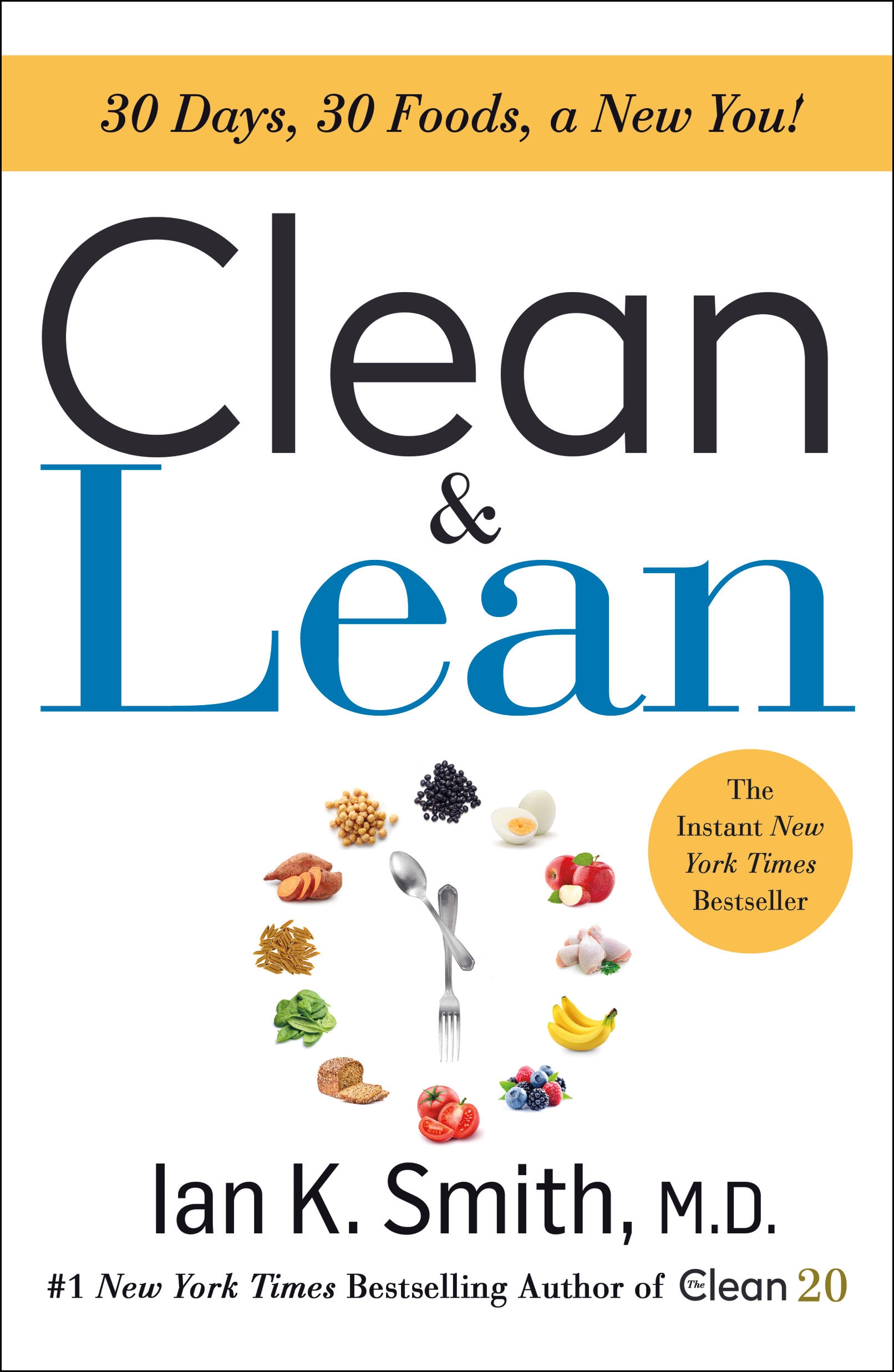
Clean & Lean: 30 Days, 30 Foods, a New You!

Life Will Be the Death of Me: ...And You Too!

The Book Club

The Silent Woman (Cat Carlisle, Book 1)

American Moonshot: John F. Kennedy and the Great Space Race

Made for Me

The Wonderful Things You Will Be

Good Night, Little Blue Truck

Falter: Has the Human Game Begun to Play Itself Out?

Commander in Cheat: How Golf Explains Trump

Going to School

Twinkle, Twinkle, Little Star (Indestructibles Series)

We Are Not Friends (You Are Not Small)

The Pout-Pout Fish

Diary of an Awesome Friendly Kid: Rowley Jefferson's Journal

Secrets Between Us: An absolutely gripping psychological thriller

Can't Make This Stuff Up!: Finding the Upside to Life's Downs

Row, Row, Row Your Boat (Indestructibles Series)

House of Shadows: An Enthralling Historical Mystery

There Was an Old Lady Who Swallowed a Chick!

Hurricane Season

The Secret Wife: A captivating story of romance, passion and mystery

Feed Your Best Friend Better: Easy, Nutritious Meals and Treats for Dogs

Trillion Dollar Coach: The Leadership Playbook of Silicon Valley's Bill Campbell

You Be You: Detox Your Life, Crush Your Limitations, and Own Your Awesome

Settings
Reflow text when sidebars are open.
