
- Browse Category
Subjects
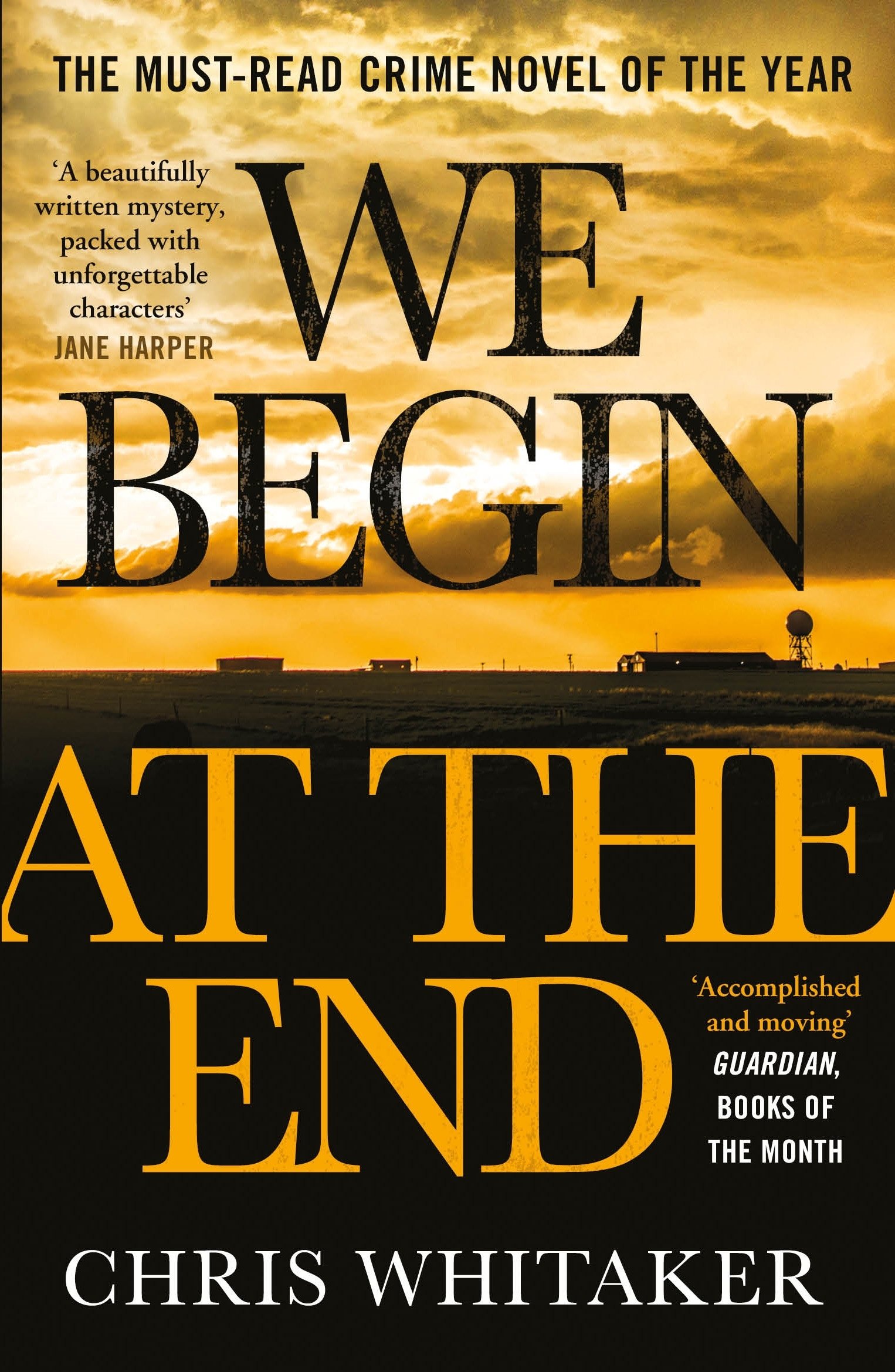 We Begin at the EndLearn More
 - Choice Picks
- Top 100 Free Books
- Blog
- Recently Added
- Submit your eBook
- Browse Category
We Begin at the EndLearn More
- Choice Picks
- Top 100 Free Books
- Blog
- Recently Added
- Submit your eBook

The Culture Of History: English Uses Of The Past 1800-1953
2021-01-09 03:39:26
In this original and widely researched book, Billie Melman explores the culture of history during the age of modernity. Her book is about the production of English pasts, the multiplicity of their representations and the myriad ways in which the Engl...
Read more
In this original and widely researched book, Billie Melman explores the culture of history during the age of modernity. Her book is about the production of English pasts, the multiplicity of their representations and the myriad ways in which the English looked at history (sometimes in the mostliteral sense of ''looking'') and made use of it in a social and material urban world, and in their imagination.Covering the period between the Napoleonic Wars and the Coronation of 1953, Melman recoups the work of antiquarians, historians, novelists and publishers, wax modellers, cartoonists and illustrators, painters, playwrights and actors, reformers and educationalists, film stars and their fans,musicians and composers, opera-fans, and radio listeners. Avoiding a separation between ''high'' and ''low'' culture, Melman analyses nineteenth-century plebeian culture and twentieth-century mass-culture and their venues - like Madame Tussaud''s Chamber of Horrors, panoramas, national monuments like theTower of London, and films - as well as studying forms of ''minority'' art - notably opera. She demonstrates how history was produced and how it circulated from texts, visual images, and sounds, to people and places and back to a variety of texts and images. While paying attention to individuals''making-do with culture, Melman considers constrictions of class, gender, the state, and the market-place on the consumption of history.Focusing on two privileged pasts, the Tudor monarchy and the French Revolution, the latter seen as an English event and as the framework for narrating and comprehending history, Melman shows that during the nineteenth century, the most popular, longest-enduring, and most highly commercializedimages of the past represented it not as cosy and secure, but rather as dangerous, disorderly, and violent. The past was also imagined as an urban place, rather than as rural. In Melman''s account, City not green Country, is the centre of a popular version of the past whose central Images are thedungeon, the gallows, and the guillotine.
Less

Compare Prices
| Store | Availability | Book Format | Condition | Price |
|---|---|---|---|---|
| Indigo Books & Music | In Stock | Hard Cover | Hard Cover | Buy CAD 337.50 |
Available Discount
No Discount available
Related Books
View All
The Wonderful Things You Will Be

Clean & Lean: 30 Days, 30 Foods, a New You!

Twinkle, Twinkle, Little Star (Indestructibles Series)

The Book Club

Life Will Be the Death of Me: ...And You Too!

Secrets Between Us: An absolutely gripping psychological thriller

Hurricane Season

Going to School

Made for Me

You Be You: Detox Your Life, Crush Your Limitations, and Own Your Awesome

The Pout-Pout Fish

The Secret Wife: A captivating story of romance, passion and mystery

We Are Not Friends (You Are Not Small)

Row, Row, Row Your Boat (Indestructibles Series)

Good Night, Little Blue Truck

Feed Your Best Friend Better: Easy, Nutritious Meals and Treats for Dogs

House of Shadows: An Enthralling Historical Mystery

Diary of an Awesome Friendly Kid: Rowley Jefferson's Journal

The Silent Woman (Cat Carlisle, Book 1)
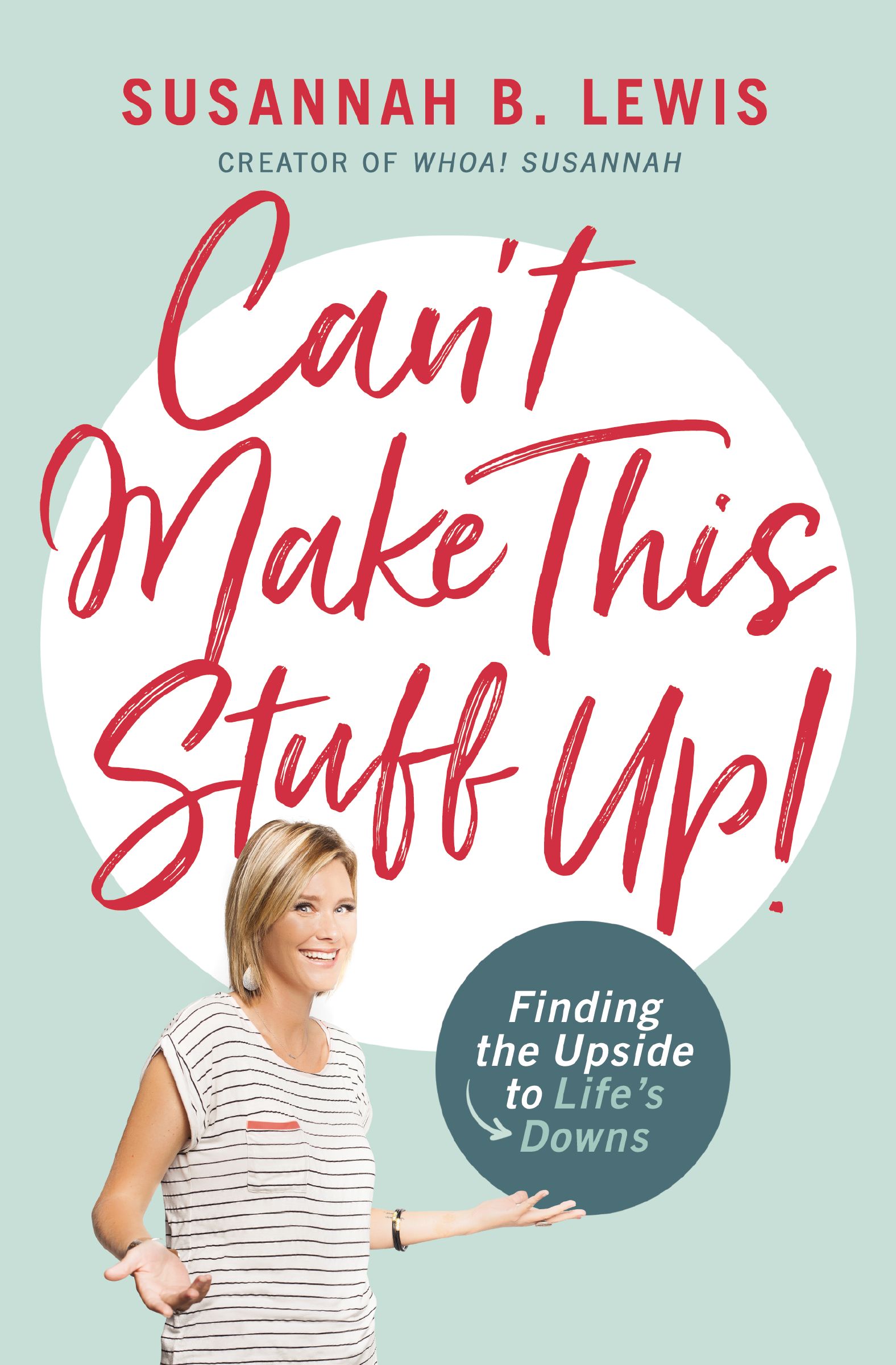
Can't Make This Stuff Up!: Finding the Upside to Life's Downs

There Was an Old Lady Who Swallowed a Chick!

Falter: Has the Human Game Begun to Play Itself Out?

Commander in Cheat: How Golf Explains Trump

American Moonshot: John F. Kennedy and the Great Space Race

Trillion Dollar Coach: The Leadership Playbook of Silicon Valley's Bill Campbell

Settings
Reflow text when sidebars are open.
