
- Browse Category
Subjects
 We Begin at the EndLearn More
 - Choice Picks
- Top 100 Free Books
- Blog
- Recently Added
- Submit your eBook
- Browse Category
We Begin at the EndLearn More
- Choice Picks
- Top 100 Free Books
- Blog
- Recently Added
- Submit your eBook
The Patient as Agent of Health and Health Care: Autonomy in Patient-Centered Care for Chronic Conditions
2020-12-31 18:07:15
Patient-centered care for chronic illness is founded upon the informed and activated patient, but we are not clear what this means. We must understand patients as subjects who know things and as agents who do things. Bioethics has urged us to respect...
Read more
Patient-centered care for chronic illness is founded upon the informed and activated patient, but we are not clear what this means. We must understand patients as subjects who know things and as agents who do things. Bioethics has urged us to respect patient autonomy, but it has understoodthis autonomy narrowly in terms of informed consent for treatment choice. In chronic illness care, the ethical and clinical challenge is to not just respect, but to promote patient autonomy, understood broadly as the patients'' overall agency or capacity for action.The primary barrier to patient action in chronic illness is not clinicians dictating treatment choice, but clinicians dictating the nature of the clinical problem. The patient''s perspective on clinical problems is now often added to the objective-disease perspective of clinicians as health-relatedquality of life (HRQL). But HRQL is merely a hybrid transitional concept between disease-focused and health-focused goals for clinical care. Truly patient-centered care requires a sense of patient-centered health that is perceived by the patient and defined in terms of the patient''s vital goals.Patient action is an essential means to this patient-centered health, as well as an essential component of this health. This action is not extrinsically motivated adherence, but intrinsically motivated striving for vital goals. Modern pathophysiological medicine has trouble understanding bothpatient action and health.The self-moving and self-healing capacities of patients can be understood only if we understand their roots in the biological autonomy of organisms. Taking the patient as the primary perceiver and producer of health has the following policy implications: 1] Care will become patient-centered onlywhen the patient is the primary customer of care. 2] Professional health services are not the principal source of population health, and may lead to clinical, social and cultural iatrogenic injury. 3] Social justice demands equity in health capability more than equal access to healthservices.
Less

Compare Prices
| Store | Availability | Book Format | Condition | Price |
|---|---|---|---|---|
| Indigo Books & Music | In Stock | Hard Cover | Hard Cover | Buy CAD 71.50 |
| BetterWorld.com - New, Used, Rare Books & Textbooks | In Stock | Buy USD 62.49 |
Available Discount
No Discount available
Related Books
View All
The Wonderful Things You Will Be

You Be You: Detox Your Life, Crush Your Limitations, and Own Your Awesome

House of Shadows: An Enthralling Historical Mystery
Can't Make This Stuff Up!: Finding the Upside to Life's Downs

There Was an Old Lady Who Swallowed a Chick!

Row, Row, Row Your Boat (Indestructibles Series)
Life Will Be the Death of Me: ...And You Too!

Going to School

American Moonshot: John F. Kennedy and the Great Space Race

The Silent Woman (Cat Carlisle, Book 1)
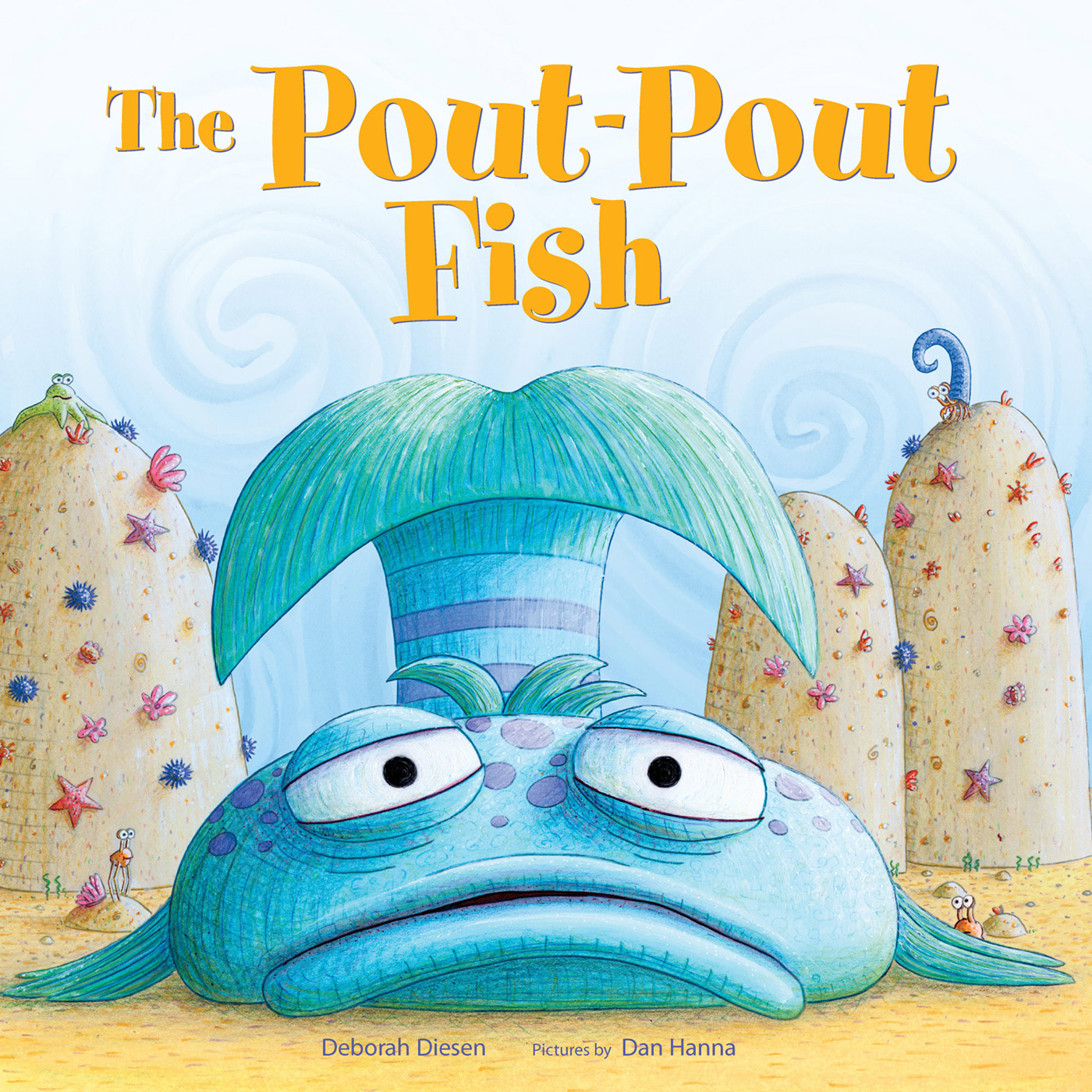
The Pout-Pout Fish
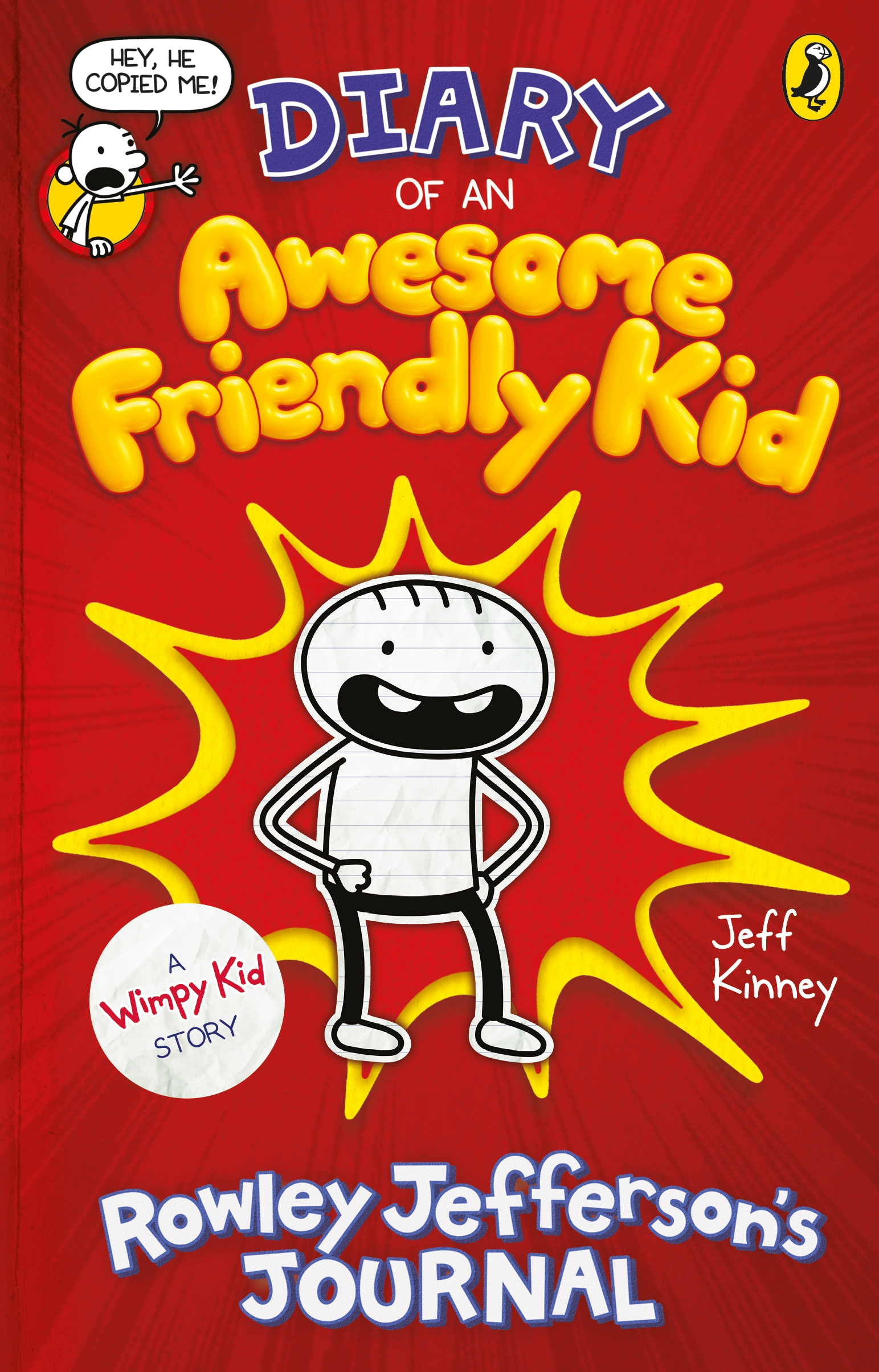
Diary of an Awesome Friendly Kid: Rowley Jefferson's Journal

Twinkle, Twinkle, Little Star (Indestructibles Series)

The Secret Wife: A captivating story of romance, passion and mystery

Commander in Cheat: How Golf Explains Trump

Made for Me

Good Night, Little Blue Truck

Trillion Dollar Coach: The Leadership Playbook of Silicon Valley's Bill Campbell
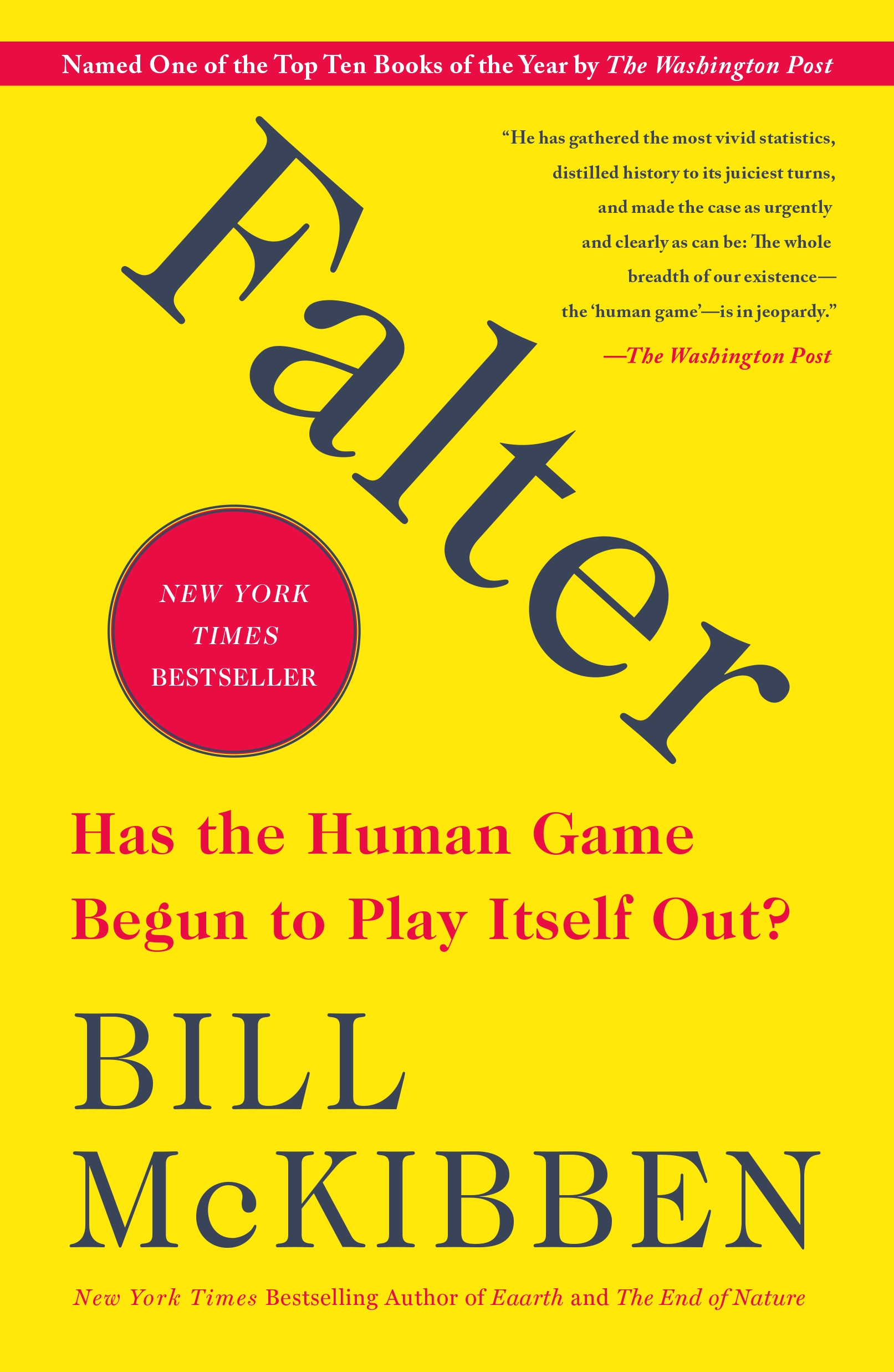
Falter: Has the Human Game Begun to Play Itself Out?
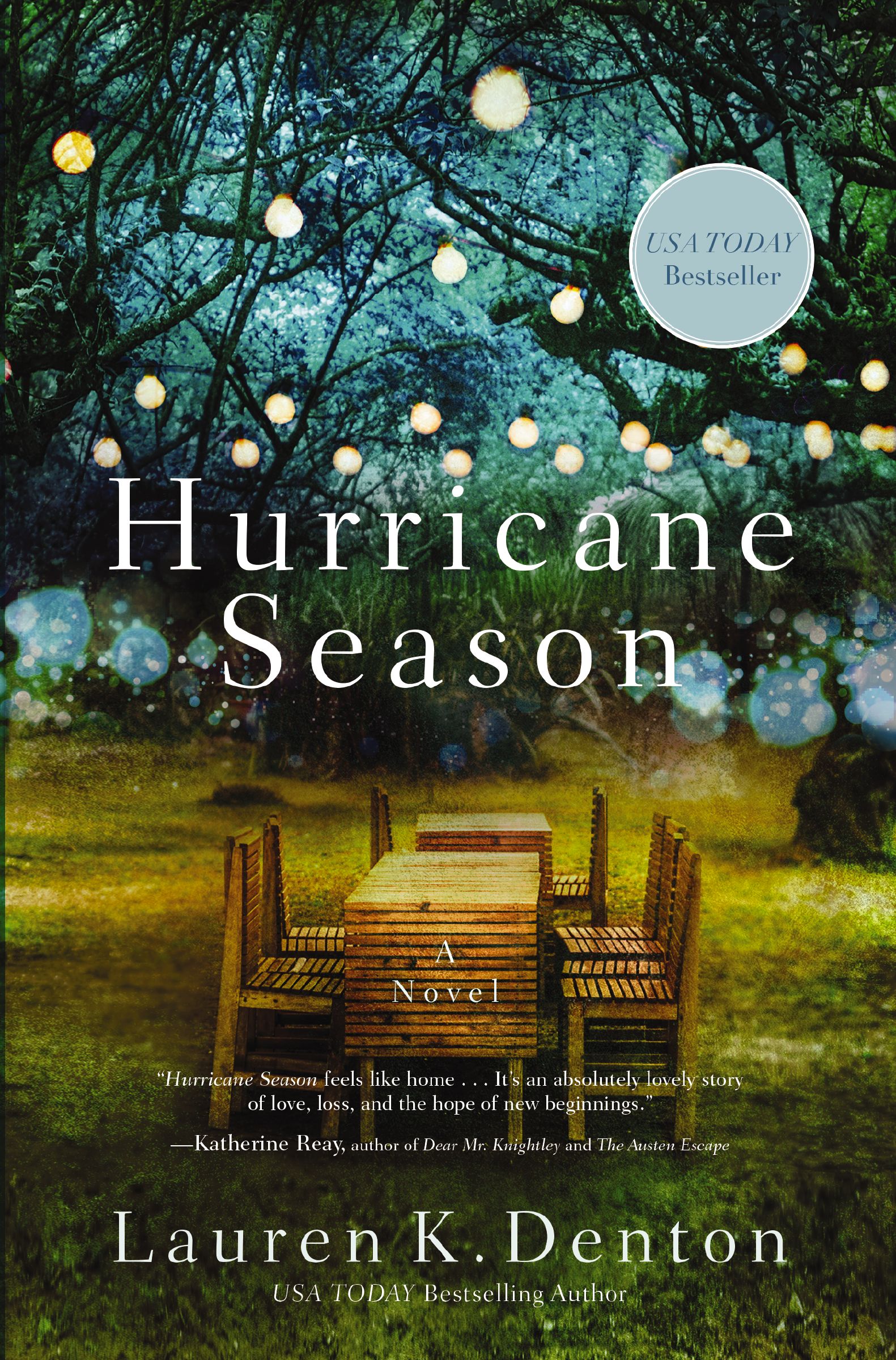
Hurricane Season

Feed Your Best Friend Better: Easy, Nutritious Meals and Treats for Dogs
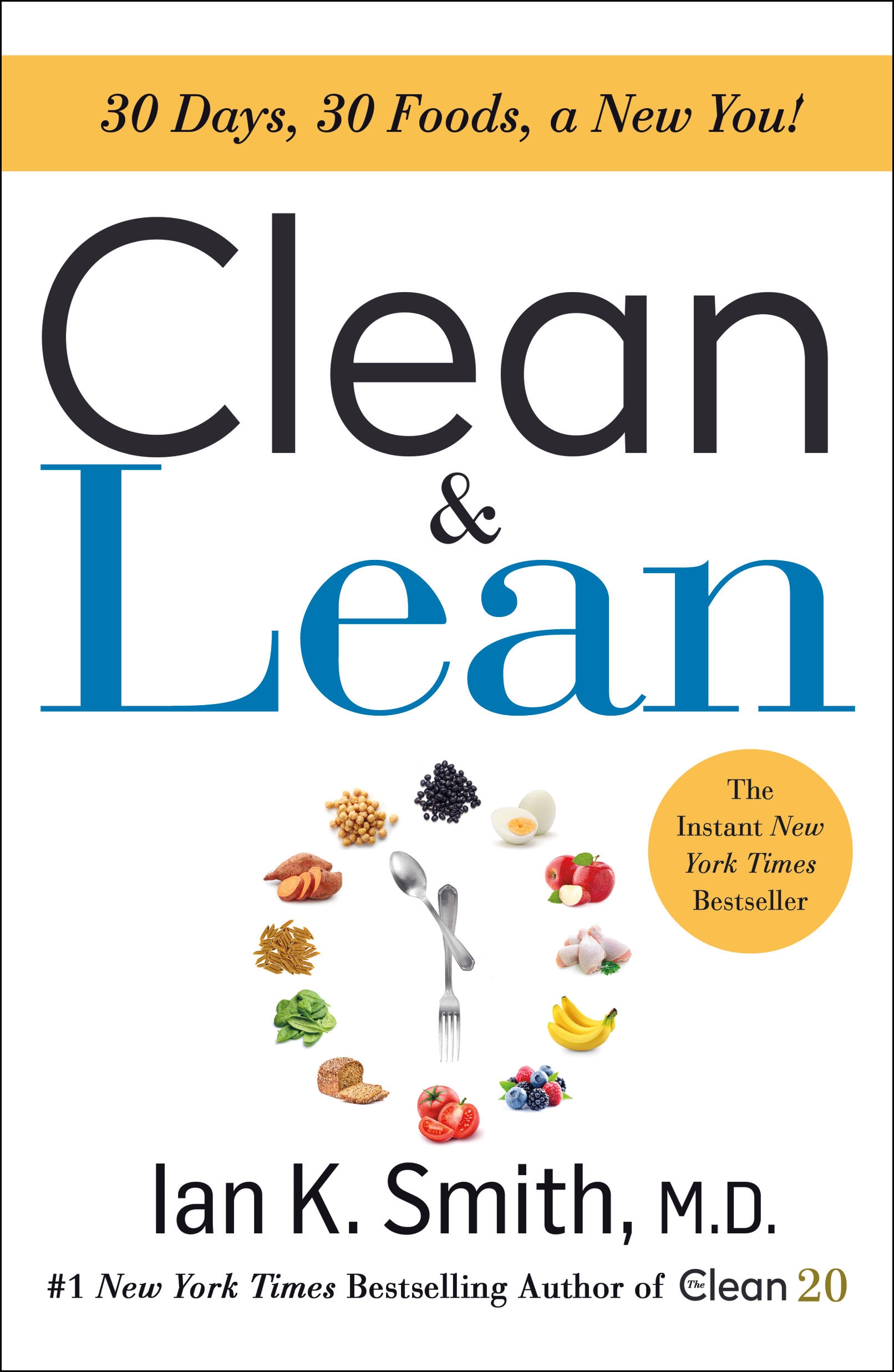
Clean & Lean: 30 Days, 30 Foods, a New You!

We Are Not Friends (You Are Not Small)

The Book Club

Secrets Between Us: An absolutely gripping psychological thriller

Settings
Reflow text when sidebars are open.
