
- Browse Category
Subjects
 We Begin at the EndLearn More
 - Choice Picks
- Top 100 Free Books
- Blog
- Recently Added
- Submit your eBook
- Browse Category
We Begin at the EndLearn More
- Choice Picks
- Top 100 Free Books
- Blog
- Recently Added
- Submit your eBook

Transformational Leadership And Doctrine In An Age Of Peace: Searching For A Tamer Billy Mitchell
2021-01-10 11:12:59
The US military that emerged from the First World War, credited with having been the decisive factor in those killing fields, faced many of the same doctrinal dilemmas that gnaw at armies in any "age of peace." The War and Navy Departments had little...
Read more
The US military that emerged from the First World War, credited with having been the decisive factor in those killing fields, faced many of the same doctrinal dilemmas that gnaw at armies in any "age of peace." The War and Navy Departments had little institutional appreciation for airpower's potential to fundamentally reshape service doctrine as it would over the next decade. And even though Marine performance in the war just past was stellar, some called for eliminating the Corps altogether. Into that arena stepped three strong transformational leaders: Billy Mitchell, William Moffett, and John Lejeune. Lejeune revived the Corps by demonstrating Marines were value for money. While Commandant, Lejeune and his tireless thinkers turned discredited assumptions into clearly defined amphibious and maneuver doctrine and laid the foundation for future tactics. During that same period, Admiral Moffett convinced Congress of the importance of fleet defense and the viability of the aircraft carrier, a decisive weapon system in the Second World War. Concurrently, Billy Mitchell, in his unique way, championed offensive strategic bombing and called for an independent air force to do it. Lejeune and Moffett impacted their institutions from within, Mitchell's tactics were less conventional. The paper attempts to answer the following question. In times of great change how do successful transformational military leaders guide or attempt to guide their services through these periods? The first four chapters provide background on Lejeune, Moffett and Mitchell's lives through World War One. Chapter five examines the theoretical roots of individual service doctrine after the Great War and the political atmosphere in which the airpower issue was debated. Chapter six discusses the articulation of the doctrine which eventually emerged and is still part of how the military plans to employ forces today. The final chapter addresses the doctrinal challenges in the new century, focus particula
Less

Compare Prices
| Store | Availability | Book Format | Condition | Price |
|---|---|---|---|---|
| Indigo Books & Music | In Stock | Buy CAD 58.21 |
Available Discount
No Discount available
Related Books
View All
Can't Make This Stuff Up!: Finding the Upside to Life's Downs

You Be You: Detox Your Life, Crush Your Limitations, and Own Your Awesome

We Are Not Friends (You Are Not Small)

The Secret Wife: A captivating story of romance, passion and mystery
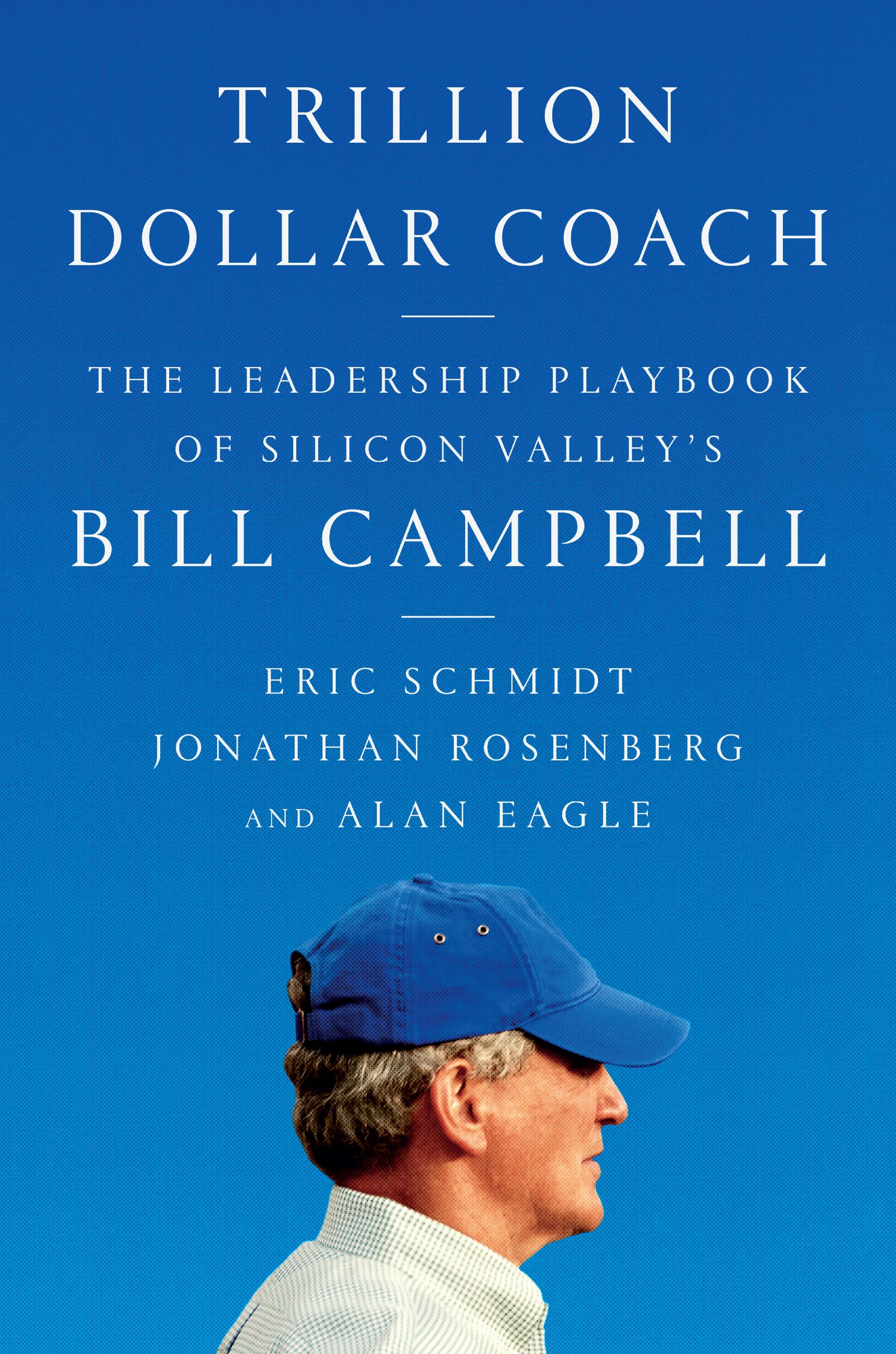
Trillion Dollar Coach: The Leadership Playbook of Silicon Valley's Bill Campbell

Commander in Cheat: How Golf Explains Trump

Made for Me

There Was an Old Lady Who Swallowed a Chick!

Hurricane Season

Diary of an Awesome Friendly Kid: Rowley Jefferson's Journal

Secrets Between Us: An absolutely gripping psychological thriller

The Book Club

House of Shadows: An Enthralling Historical Mystery

Clean & Lean: 30 Days, 30 Foods, a New You!

The Pout-Pout Fish

Feed Your Best Friend Better: Easy, Nutritious Meals and Treats for Dogs

Twinkle, Twinkle, Little Star (Indestructibles Series)

Good Night, Little Blue Truck

The Wonderful Things You Will Be

Row, Row, Row Your Boat (Indestructibles Series)

Going to School

Life Will Be the Death of Me: ...And You Too!

Falter: Has the Human Game Begun to Play Itself Out?

American Moonshot: John F. Kennedy and the Great Space Race

The Silent Woman (Cat Carlisle, Book 1)

Settings
Reflow text when sidebars are open.
