
- Browse Category
Subjects
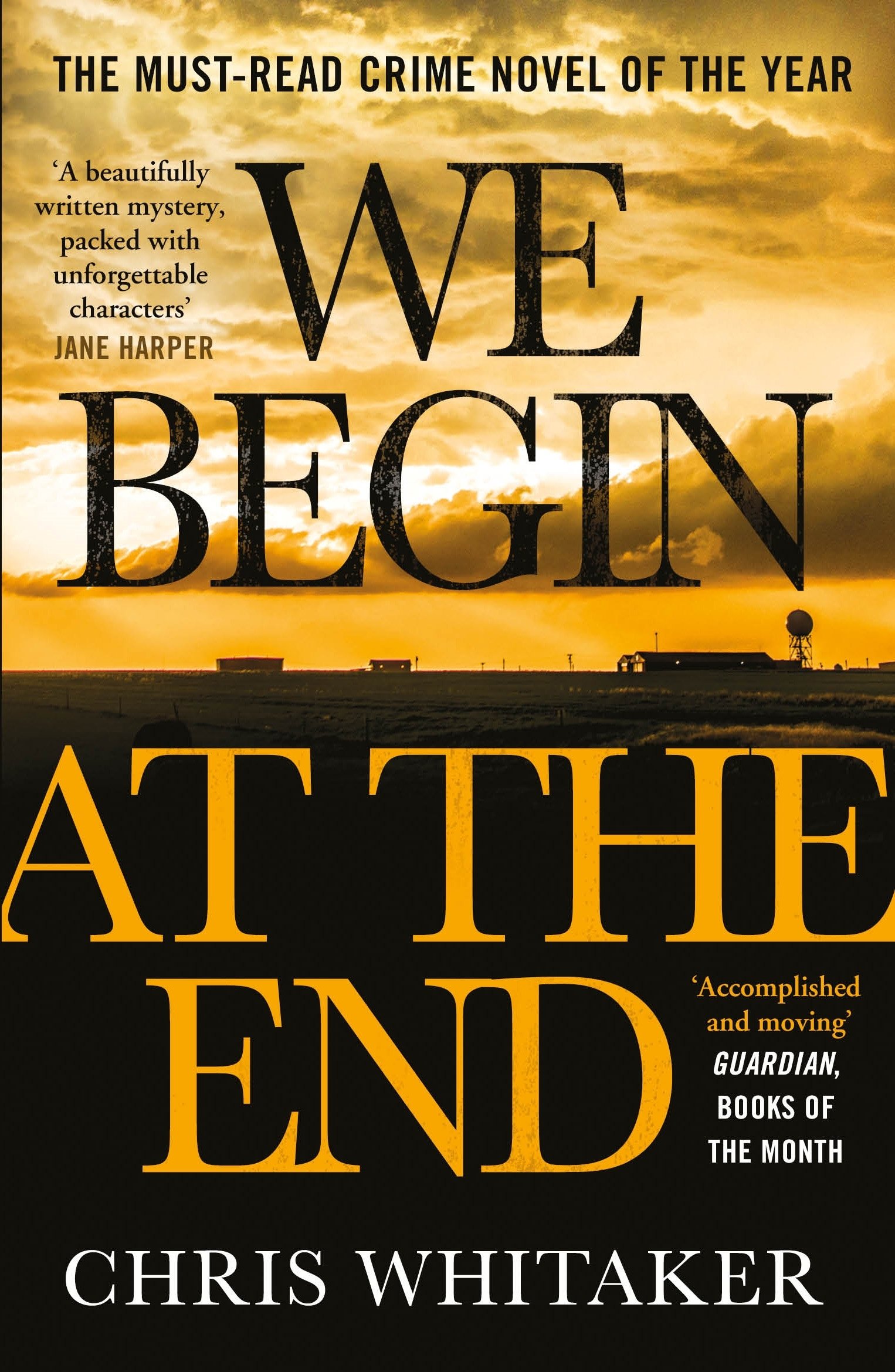 We Begin at the EndLearn More
 - Choice Picks
- Top 100 Free Books
- Blog
- Recently Added
- Submit your eBook
- Browse Category
We Begin at the EndLearn More
- Choice Picks
- Top 100 Free Books
- Blog
- Recently Added
- Submit your eBook
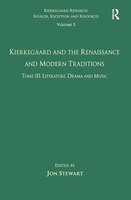
Volume 5, Tome Iii: Kierkegaard And The Renaissance And Modern Traditions - Literature, Drama And Music
2021-01-09 07:11:34
The long period from the Renaissance to the nineteenth century supplied numerous sources for Kierkegaard's thought in any number of different fields. The present, rather heterogeneous volume covers the long period from the birth of Savonarola in 1452...
Read more
The long period from the Renaissance to the nineteenth century supplied numerous sources for Kierkegaard's thought in any number of different fields. The present, rather heterogeneous volume covers the long period from the birth of Savonarola in 1452 through the beginning of the nineteenth century and into Kierkegaard's own time. The Danish thinker read authors representing vastly different traditions and time periods. Moreover, he also read a diverse range of genres. His interests concerned not just philosophy, theology and literature but also drama and music. The present volume consists of three tomes that are intended to cover Kierkegaard's sources in these different fields of thought. Tome III covers the sources that are relevant for literature, drama and music. Kierkegaard was well read in the European literature of the seventeenth and eighteenth century. He was captivated by the figure of Cervantes' Don Quixote, who is used as a model for humor and irony. He also enjoyed French literature, represented here by articles on Chateaubriand, Lamartine, and Mérimée. French dramatists were popular on the Danish stage, and Kierkegaard demonstrated an interest in, among others, Moliére and Scribe. Although he never possessed strong English skills, this did not prevent him from familiarizing himself with English literature, primarily with the help of German translations. While there is an established body of secondary material on Kierkegaard's relation to Shakespeare, little has been said about his use of the Irish dramatist Sheridan. It is obvious from, among other things, The Concept of Irony that Kierkegaard knew in detail the works of some of the main writers of the German Romantic movement. However, his use of the leading figures of the British Romantic movement, Byron and Shelley, remains largely unexplored terrain. The classic Danish authors of the eighteenth century, Holberg, Wessel and Ewald, were influential figures who prepared the way for the Golden Age of Danish poetry. Kierkegaard constantly refers to their dramatic characters, whom he often employs to illustrate a philosophical idea with a pregnant example or turn of phrase. Finally, while Kierkegaard is not an obvious name in musicology, his analysis of Mozart's Don Giovanni shows that he had a keen interest in music on many different levels.
Less

Compare Prices
| Store | Availability | Book Format | Condition | Price |
|---|---|---|---|---|
| Indigo Books & Music | In Stock | Hard Cover | Hard Cover | Buy CAD 224.00 |
Available Discount
No Discount available
Related Books
View All
Can't Make This Stuff Up!: Finding the Upside to Life's Downs

House of Shadows: An Enthralling Historical Mystery

The Wonderful Things You Will Be
Trillion Dollar Coach: The Leadership Playbook of Silicon Valley's Bill Campbell
The Pout-Pout Fish

The Silent Woman (Cat Carlisle, Book 1)

Clean & Lean: 30 Days, 30 Foods, a New You!

Made for Me

Commander in Cheat: How Golf Explains Trump

Secrets Between Us: An absolutely gripping psychological thriller

You Be You: Detox Your Life, Crush Your Limitations, and Own Your Awesome

Row, Row, Row Your Boat (Indestructibles Series)

The Secret Wife: A captivating story of romance, passion and mystery

Falter: Has the Human Game Begun to Play Itself Out?

Life Will Be the Death of Me: ...And You Too!

We Are Not Friends (You Are Not Small)

There Was an Old Lady Who Swallowed a Chick!

Good Night, Little Blue Truck
Diary of an Awesome Friendly Kid: Rowley Jefferson's Journal

Twinkle, Twinkle, Little Star (Indestructibles Series)

The Book Club

Going to School

American Moonshot: John F. Kennedy and the Great Space Race

Feed Your Best Friend Better: Easy, Nutritious Meals and Treats for Dogs
Hurricane Season

Settings
Reflow text when sidebars are open.
