
- Browse Category
Subjects
 We Begin at the EndLearn More
 - Choice Picks
- Top 100 Free Books
- Blog
- Recently Added
- Submit your eBook
- Browse Category
We Begin at the EndLearn More
- Choice Picks
- Top 100 Free Books
- Blog
- Recently Added
- Submit your eBook
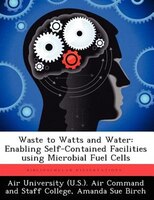
Waste To Watts And Water: Enabling Self-contained Facilities Using Microbial Fuel Cells
2021-05-27 13:51:43
Combat support is not sexy in the United States Air Force. And future combat supportthat can draw yawns from even the most eager support officers. In the service known for glamorous, cutting-edge technologies, why doesn't American innovation show up ...
Read more
Combat support is not sexy in the United States Air Force. And future combat supportthat can draw yawns from even the most eager support officers. In the service known for glamorous, cutting-edge technologies, why doesn't American innovation show up in the support realm? If funding policies continue to ignore the state of the art for military facility construction, America will face a strategic surprise by 2030. I don't have a crystal ball, but there are four possible threats to national security in the year 2030. One, we may face a conventional war with a well-equipped foe such as China or Russia. Two, we may continue to face a terrorist threat. Three, America may be involved in small wars, counterinsurgencies, or humanitarian relief efforts--missions the military thinks are one-off events though they dominated the last half-century of American warfare. Or four, the world may face water and energy resource shortages. It turns out we don't need a crystal ball. Microbial fuel cells (MFCs) are a sure bet for future national security. MFCs are a budding technology that converts waste like sewage, food scraps, paper, plastics, industrial/agricultural waste, etc. into power and clean watercapabilities required for all four future scenarios. First, MFCs allow facilities in remote areas without a need for infrastructure or supply lines. Second, MFCs remove American government, businesses, and homes from the power grid and other vulnerable infrastructure, a key to surviving a terrorist threat. Third, MFCs provide clean water, power, and sanitary waste disposal. Providing these utilities helps governments stressed by war or natural disaster win hearts and minds--building foundations for democratic and economic development. Fourth, MFCs meet looming water or energy shortages. By 2030, MFCs could reduce fresh water requirements by 70% and produce up to 600 watts of power per person while fueled only by waste products. Sure, they'll help us meet military needs, but could also
Less

Compare Prices
| Store | Availability | Book Format | Condition | Price |
|---|---|---|---|---|
| Indigo Books & Music | In Stock | Buy CAD 64.67 |
Available Discount
No Discount available
Related Books
View All
Clean & Lean: 30 Days, 30 Foods, a New You!

Hurricane Season

Falter: Has the Human Game Begun to Play Itself Out?

Life Will Be the Death of Me: ...And You Too!

Going to School

Commander in Cheat: How Golf Explains Trump

Secrets Between Us: An absolutely gripping psychological thriller

There Was an Old Lady Who Swallowed a Chick!
Diary of an Awesome Friendly Kid: Rowley Jefferson's Journal

The Secret Wife: A captivating story of romance, passion and mystery
The Pout-Pout Fish

House of Shadows: An Enthralling Historical Mystery

Row, Row, Row Your Boat (Indestructibles Series)

Can't Make This Stuff Up!: Finding the Upside to Life's Downs

American Moonshot: John F. Kennedy and the Great Space Race

The Book Club

You Be You: Detox Your Life, Crush Your Limitations, and Own Your Awesome

Twinkle, Twinkle, Little Star (Indestructibles Series)

The Wonderful Things You Will Be

Good Night, Little Blue Truck

The Silent Woman (Cat Carlisle, Book 1)

We Are Not Friends (You Are Not Small)

Made for Me
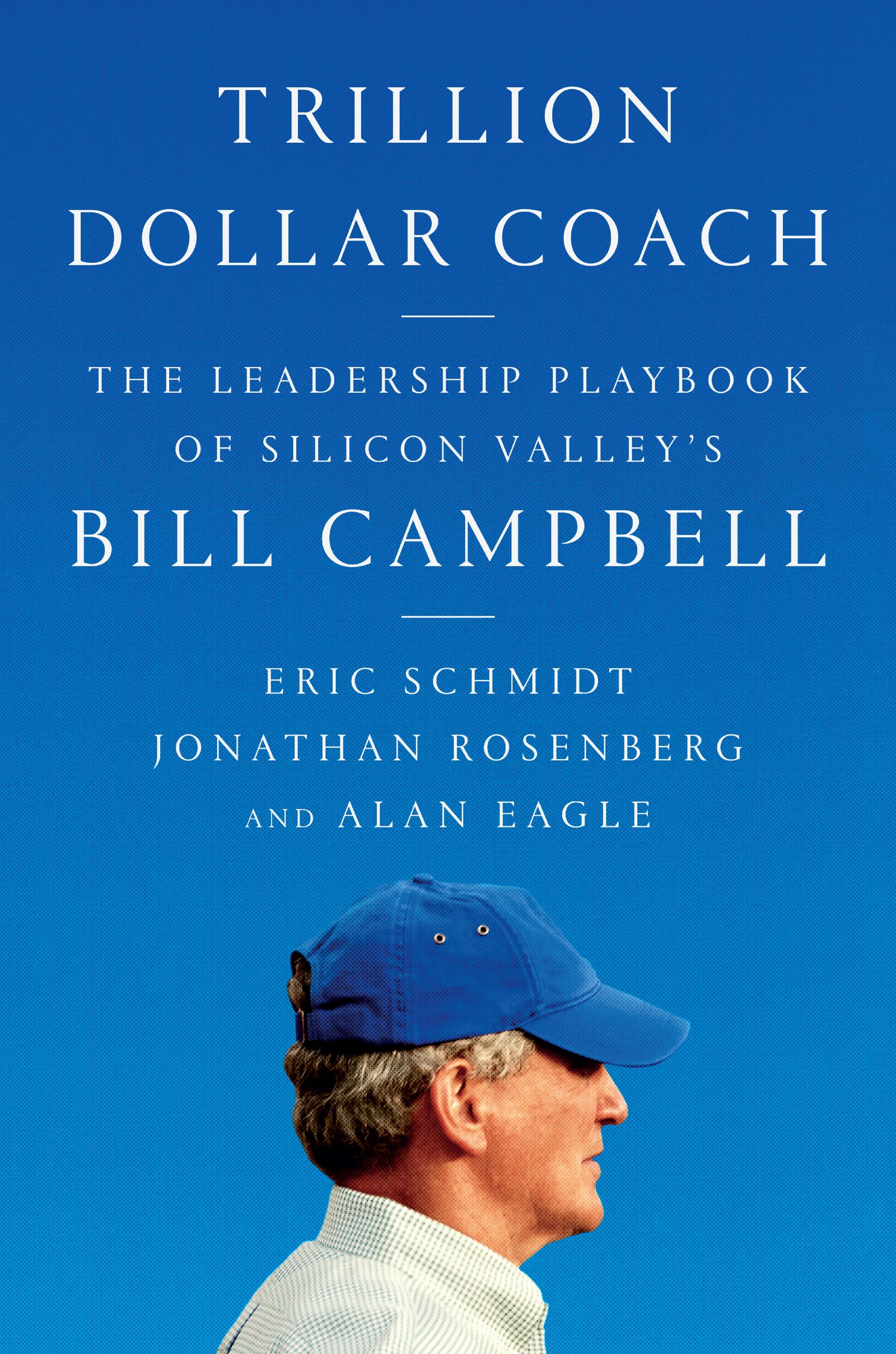
Trillion Dollar Coach: The Leadership Playbook of Silicon Valley's Bill Campbell

Feed Your Best Friend Better: Easy, Nutritious Meals and Treats for Dogs

Settings
Reflow text when sidebars are open.
