
- Browse Category
Subjects
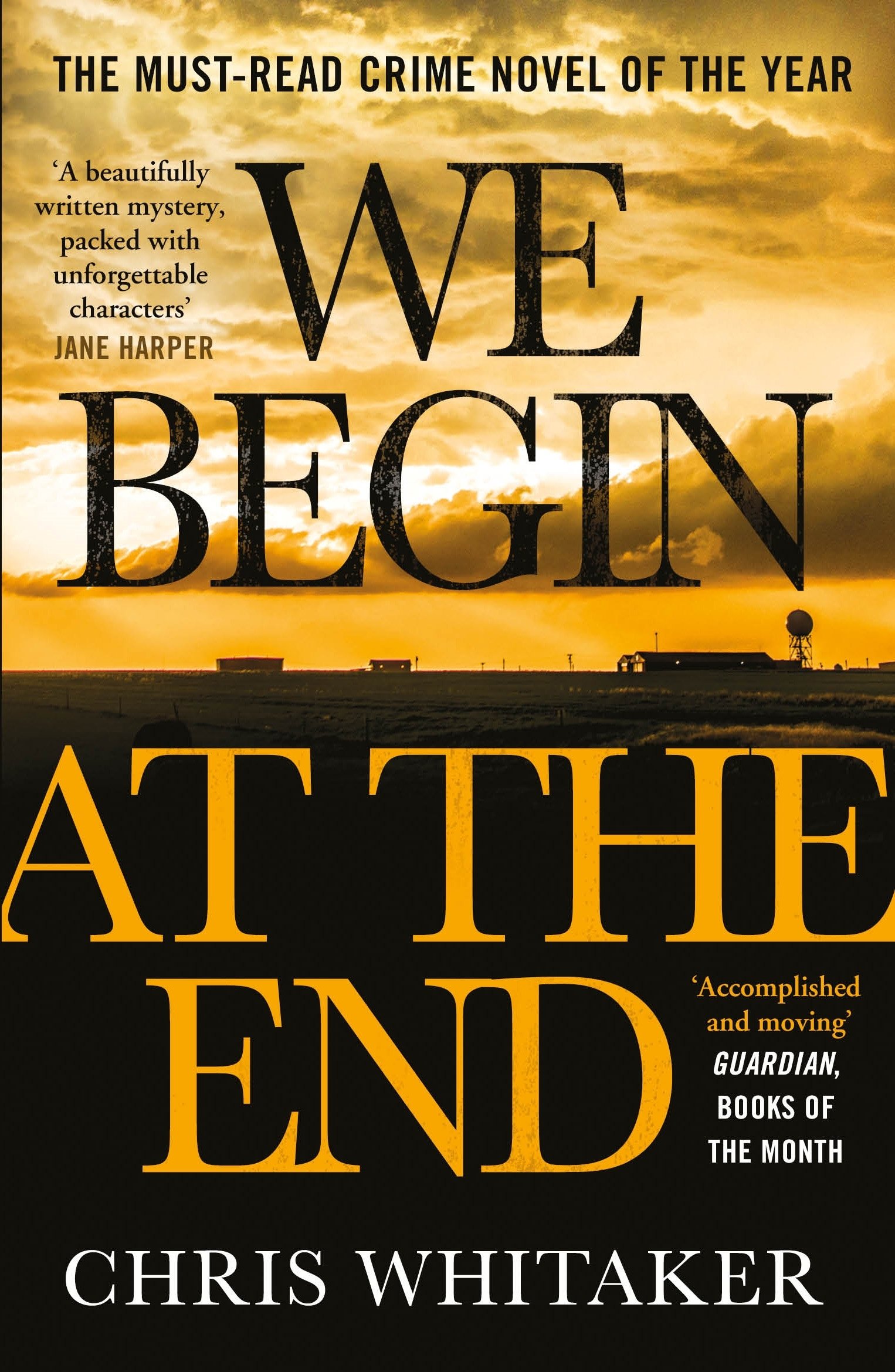 We Begin at the EndLearn More
 - Choice Picks
- Top 100 Free Books
- Blog
- Recently Added
- Submit your eBook
- Browse Category
We Begin at the EndLearn More
- Choice Picks
- Top 100 Free Books
- Blog
- Recently Added
- Submit your eBook
Who One Is: Book 2: Existenz And Transcendental Phenomenology
2021-01-13 23:49:22
If I am asked in the framework of Book 1, "Who are you?" I, in answering, might say "I don''t know who in the world I am." Nevertheless there is a sense in which I always know what "I" refers to and can never not know, e...
Read more
If I am asked in the framework of Book 1, "Who are you?" I, in answering, might say "I don''t know who in the world I am." Nevertheless there is a sense in which I always know what "I" refers to and can never not know, even if I have become, e.g., amnesiac. Yet in Book 2, "Who are you?" has other senses of oneself in mind than the non-sortal "myself". For example, it might be the pragmatic context, as in a bureaucratic setting; but "Who are you?" or "Who am I?" might be more anguished and be rendered by "What sort of person are you?" or "What sort am I?" Such a question often surfaces in the face of a "limit-situation", such as one''s death or in the wake of a shameful deed where we are compelled to find our "centers", what we also will call "Existenz". "Existenz" here refers to the center of the person. In the face of the limit-situation one is called upon to act unconditionally in the determination of oneself and one''s being in the world.
In this Book 2 we discuss chiefly one''s normative personal-moral identity which stands in contrast to the transcendental I where one''s non-sortal unique identity is given from the start. This moral identity requires a unique self-determination and normative self-constitution which may be thought of with the help of the metaphor of "vocation". We will see that it has especial ties to one''s Existenz as well as to love. This Book 2 claims that the moral-personal ideal sense ofwhoone is is linked to the transcendentalwhothrough a notion of entelechy. The person strives to embody the I-ness that one both ineluctably is and which, however, points to who one is not yet and who one ought to be. The final two chapters tell a philosophical-theological likely story of a basic theme of Plotinus: We must learn to honor ourselves because of our honorable kinship and lineage "Yonder".
Less
Compare Prices
| Store | Availability | Book Format | Condition | Price |
|---|---|---|---|---|
| Indigo Books & Music | In Stock | Hard Cover | Hard Cover | Buy CAD 397.95 |
| Indigo Books & Music | In Stock | Buy CAD 363.95 |
Available Discount
No Discount available
Related Books
View All
The Wonderful Things You Will Be
Diary of an Awesome Friendly Kid: Rowley Jefferson's Journal

Secrets Between Us: An absolutely gripping psychological thriller

The Book Club

Good Night, Little Blue Truck

Commander in Cheat: How Golf Explains Trump

Row, Row, Row Your Boat (Indestructibles Series)
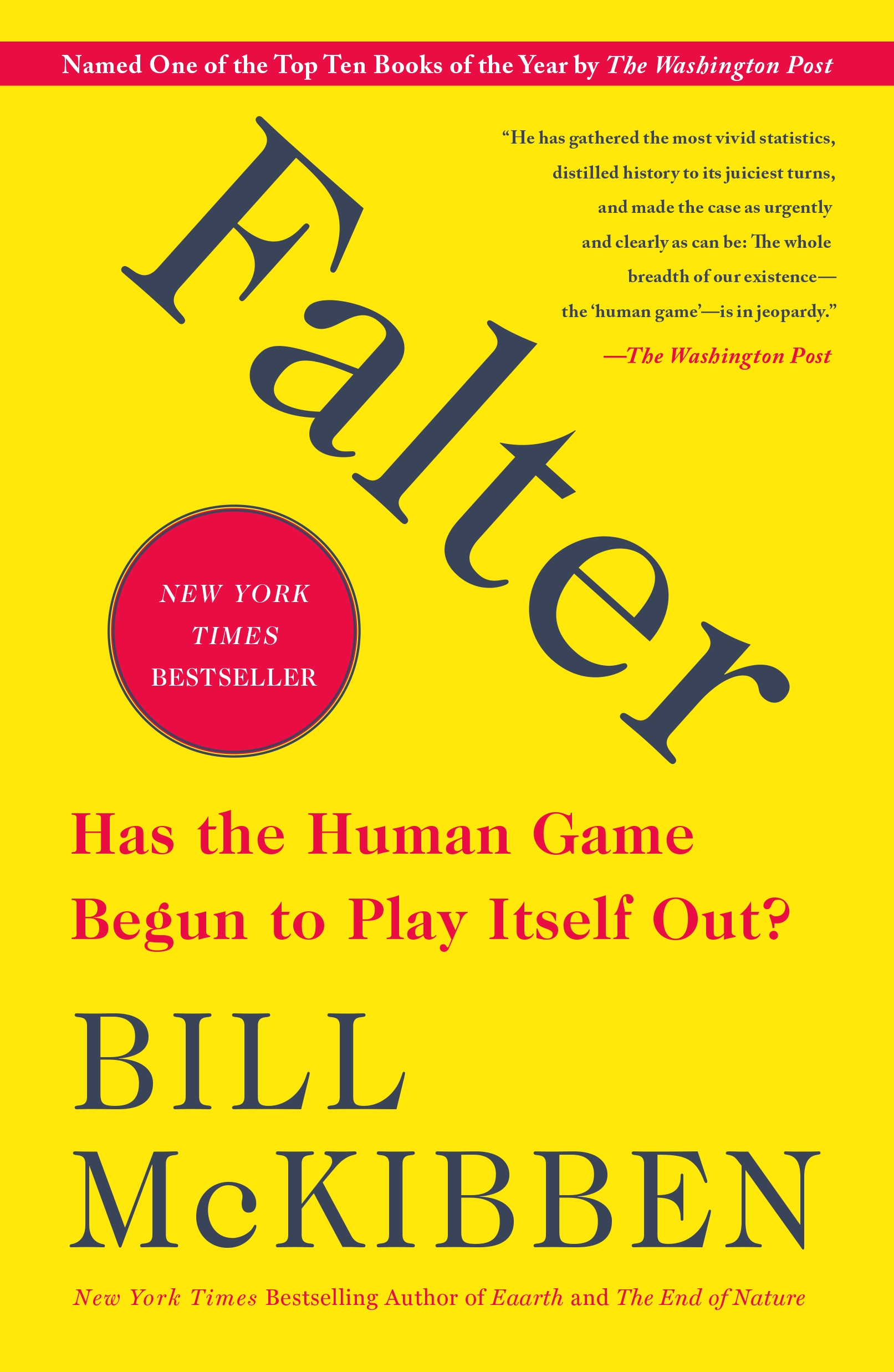
Falter: Has the Human Game Begun to Play Itself Out?
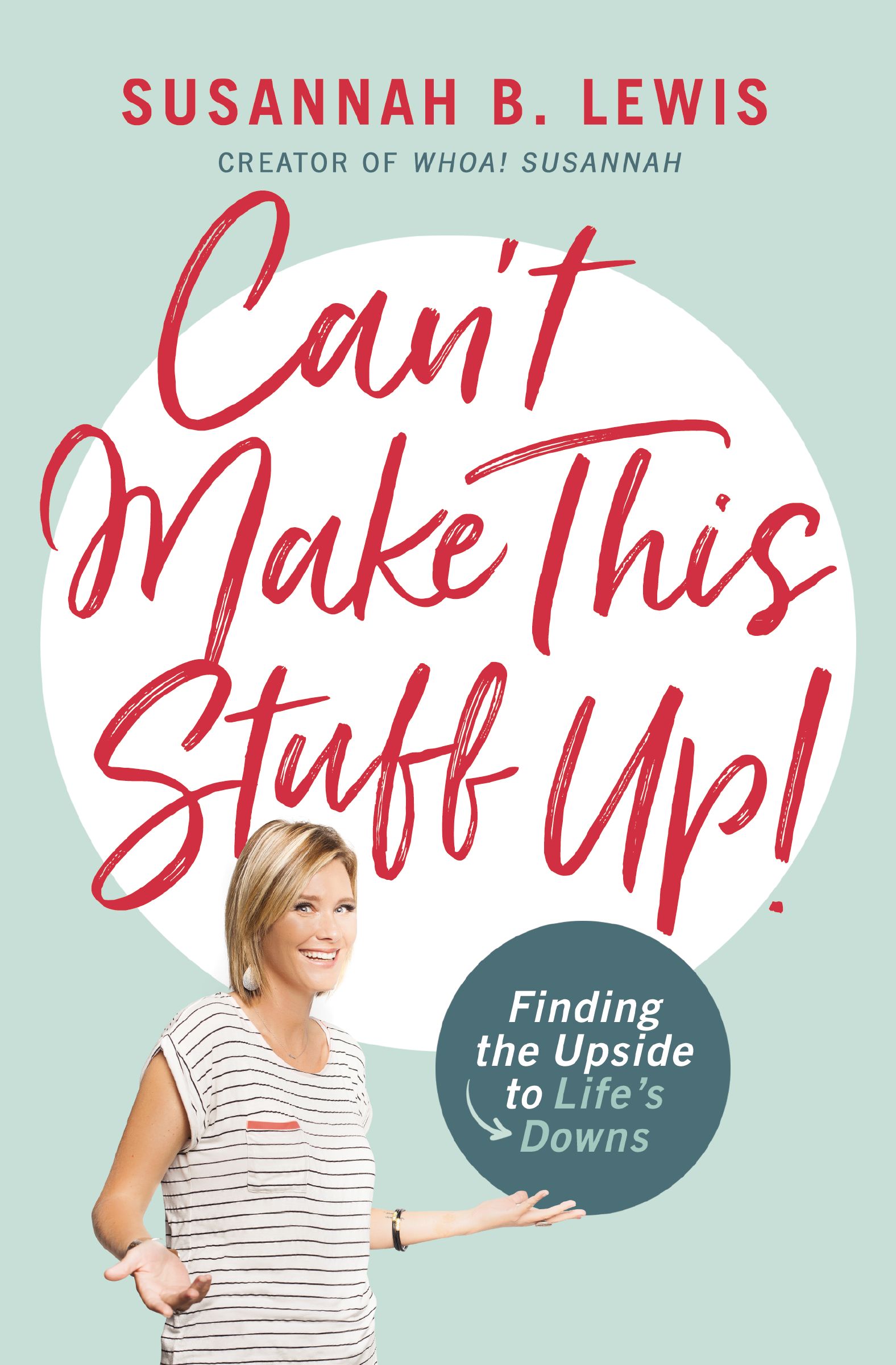
Can't Make This Stuff Up!: Finding the Upside to Life's Downs

The Silent Woman (Cat Carlisle, Book 1)

Life Will Be the Death of Me: ...And You Too!
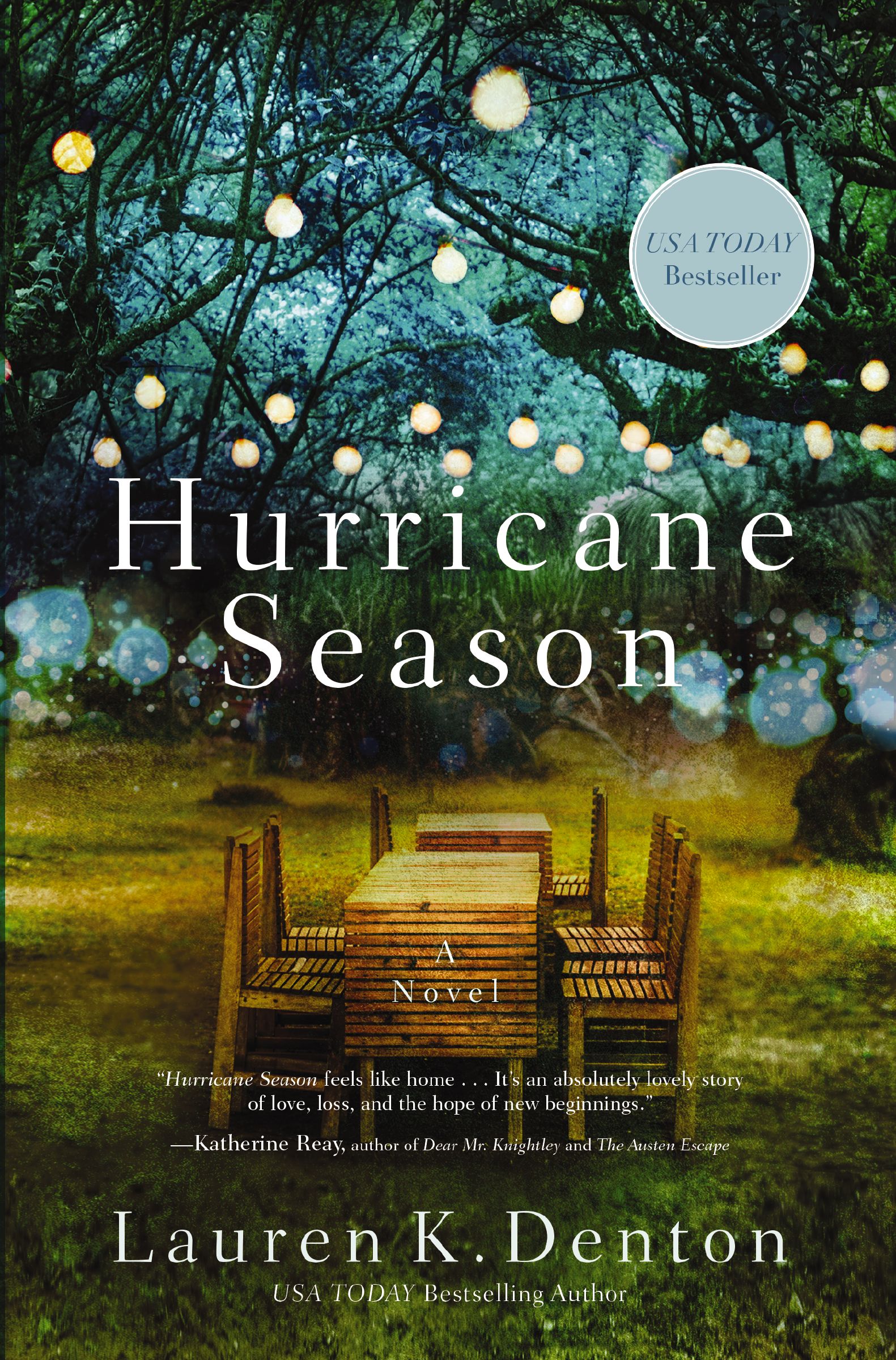
Hurricane Season

Feed Your Best Friend Better: Easy, Nutritious Meals and Treats for Dogs

American Moonshot: John F. Kennedy and the Great Space Race
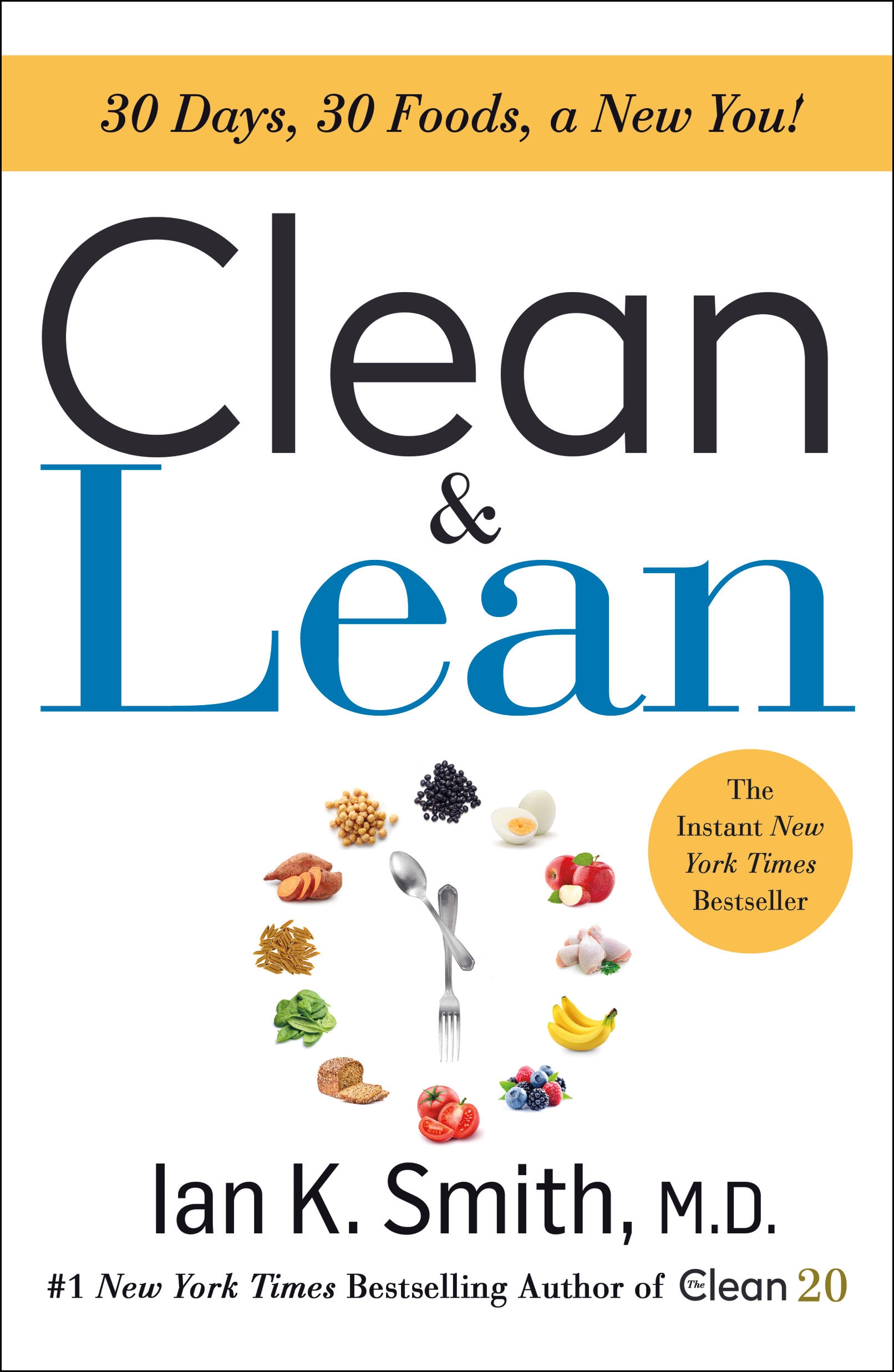
Clean & Lean: 30 Days, 30 Foods, a New You!

You Be You: Detox Your Life, Crush Your Limitations, and Own Your Awesome
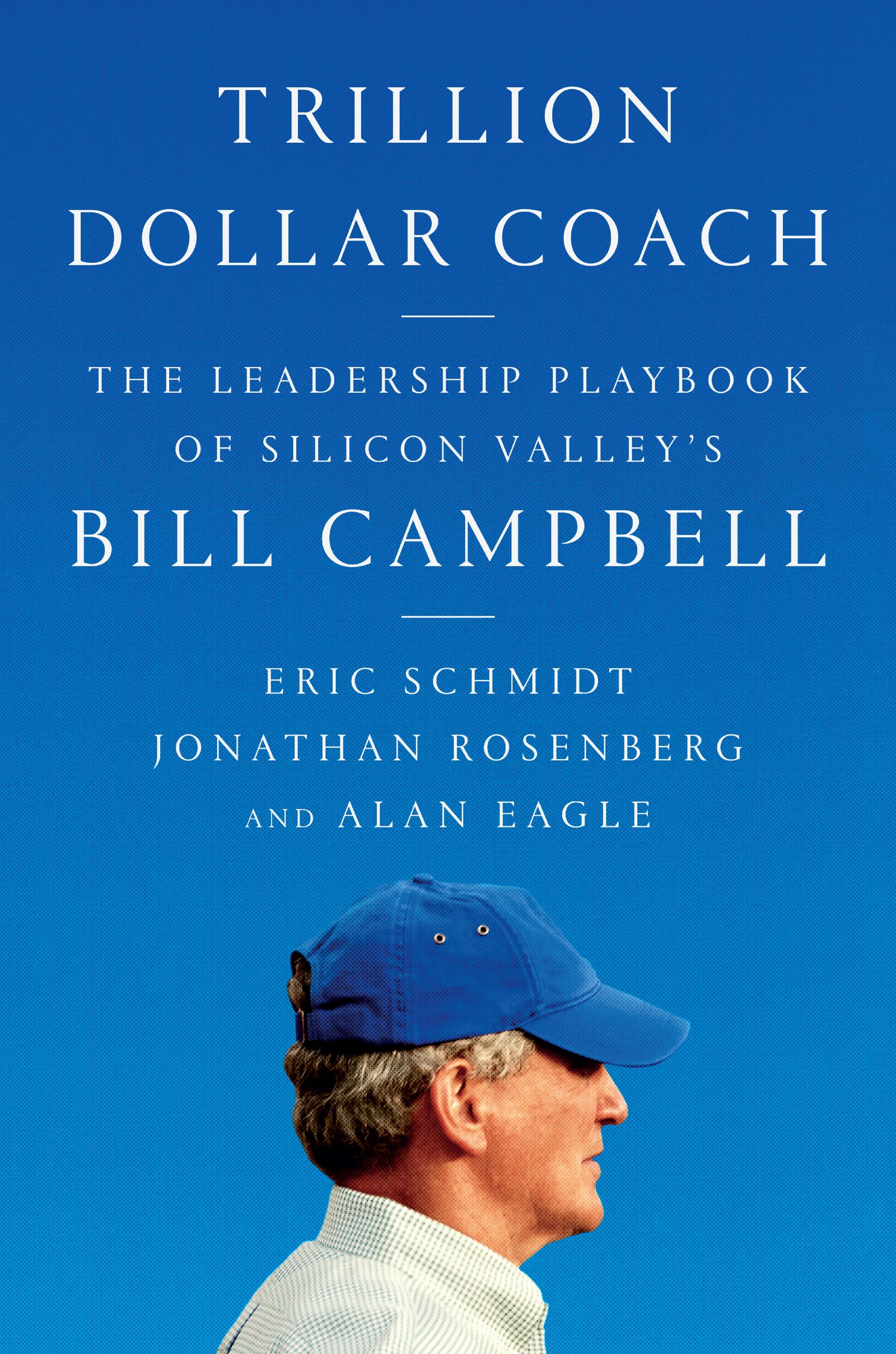
Trillion Dollar Coach: The Leadership Playbook of Silicon Valley's Bill Campbell

Going to School
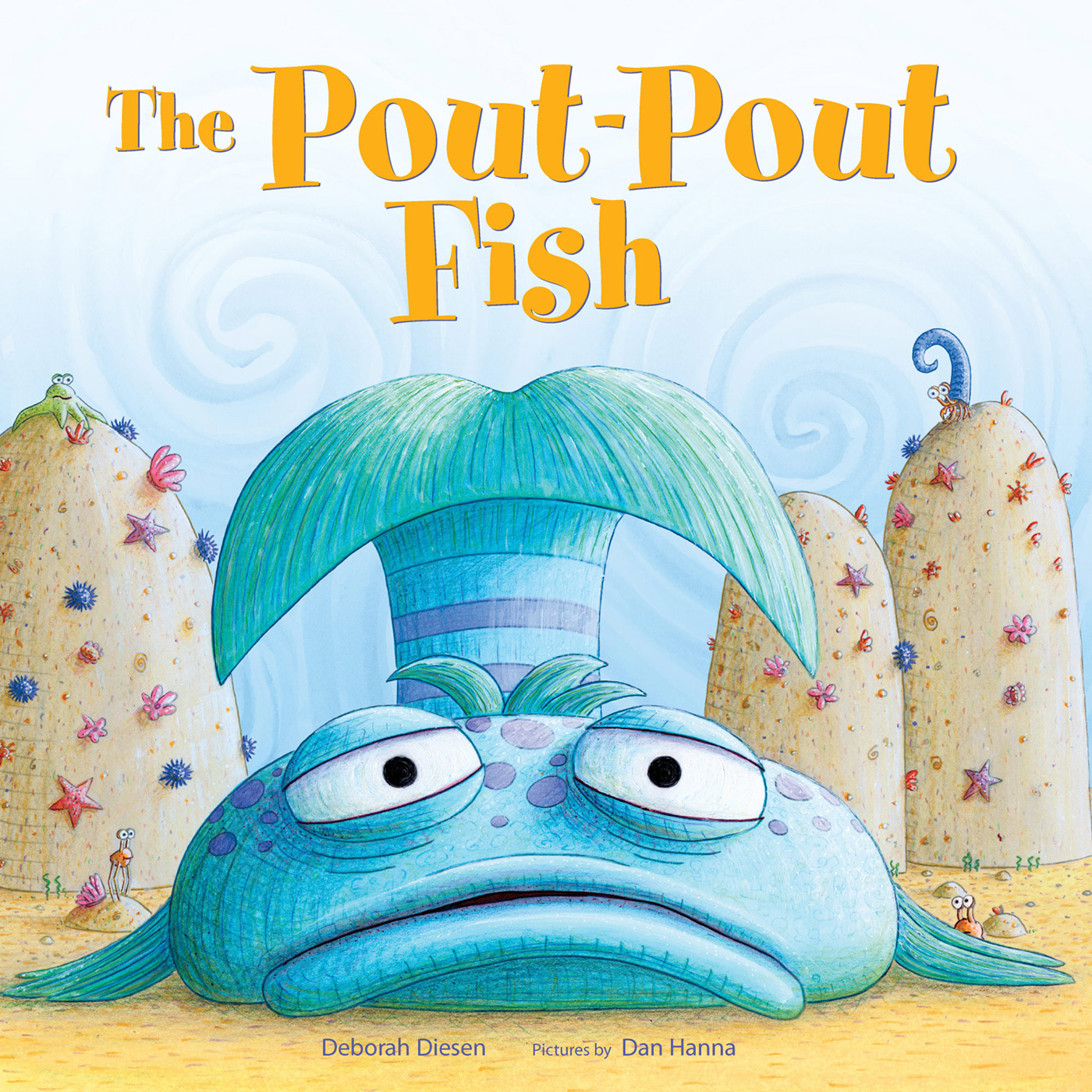
The Pout-Pout Fish

The Secret Wife: A captivating story of romance, passion and mystery

We Are Not Friends (You Are Not Small)

House of Shadows: An Enthralling Historical Mystery

There Was an Old Lady Who Swallowed a Chick!

Twinkle, Twinkle, Little Star (Indestructibles Series)

Made for Me

Settings
Reflow text when sidebars are open.
