
- Browse Category
Subjects
 We Begin at the EndLearn More
 - Choice Picks
- Top 100 Free Books
- Blog
- Recently Added
- Submit your eBook
- Browse Category
We Begin at the EndLearn More
- Choice Picks
- Top 100 Free Books
- Blog
- Recently Added
- Submit your eBook
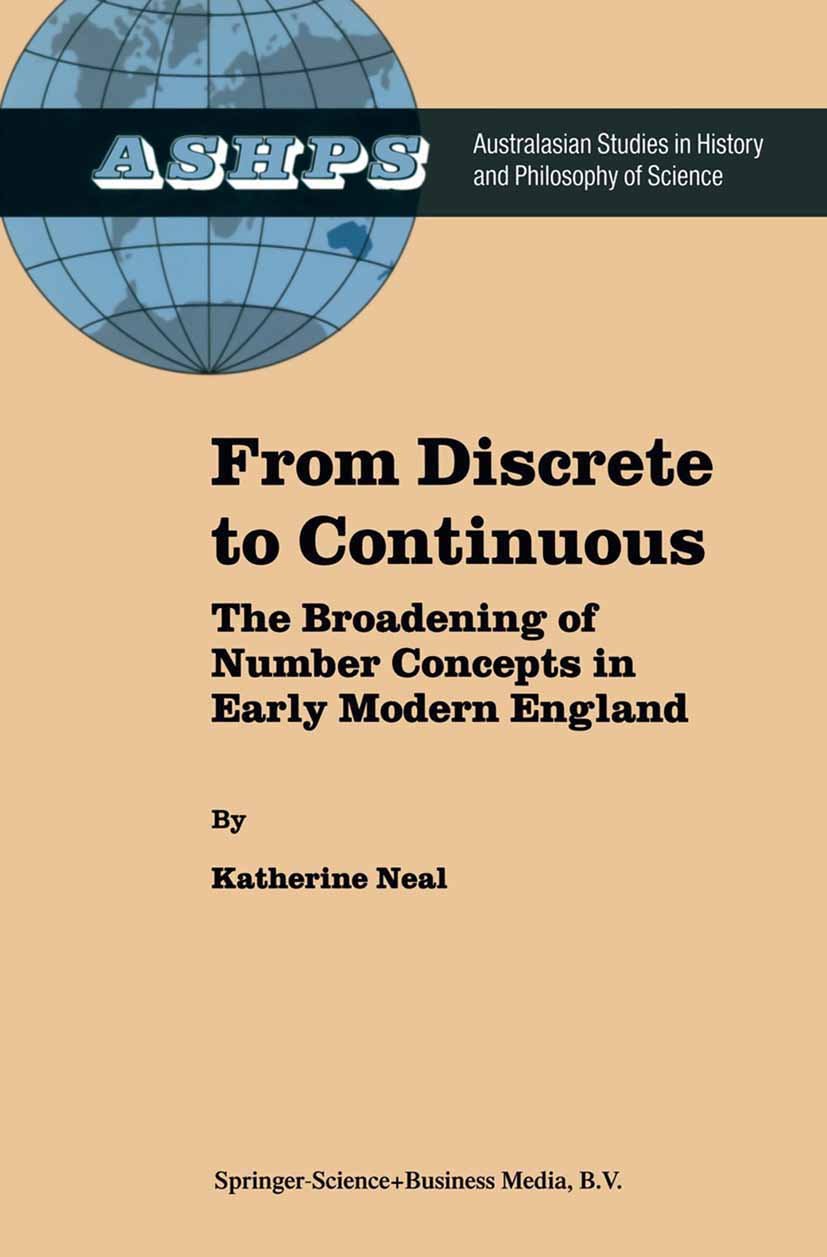
From Discrete to Continuous
2020-04-20 00:01:19
In the early modern period, a crucial transformation occurred in the classical conception of number and magnitude. Traditionally, numbers were merely collections of discrete units that measured some multiple. Magnitude, on the other hand, was usually...
Read more
In the early modern period, a crucial transformation occurred in the classical conception of number and magnitude. Traditionally, numbers were merely collections of discrete units that measured some multiple. Magnitude, on the other hand, was usually described as being continuous, or being divisible into parts that are infinitely divisible. This traditional idea of discrete number versus continuous magnitude was challenged in the early modern period in several ways. This detailed study explores how the development of algebraic symbolism, logarithms, and the growing practical demands for an expanded number concept all contributed to a broadening of the number concept in early modern England. An interest in solving practical problems was not, in itself, enough to cause a generalisation of the number concept. It was the combined impact of novel practical applications together with the concomitant development of such mathematical advances as algebraic notation and logarithms that produced a broadened number concept.
Less

Compare Prices
| Store | Availability | Book Format | Condition | Price |
|---|---|---|---|---|
| Indigo Books & Music | In Stock | Buy CAD 179.66 | ||
| eBooks.com | In Stock | PDF (drm free, digitally watermarked) | PDF (drm free, digitally watermarked) | Buy USD 129.0 |
eBooks.comIn Stock
Format
PDF (drm free, digitally watermarked)
Condition
PDF (drm free, digitally watermarked)
Available Discount
No Discount available
Related Books
View All
The King of Infinite Space : Euclid and His Elements

A Treatise on Probability
Introduction to Lie Groups and Lie Algebra, 51

Deductive Logic

Probability
An Introduction to Generalized Linear Models
Topics in Computational Number Theory Inspired by Peter L. Montgomery
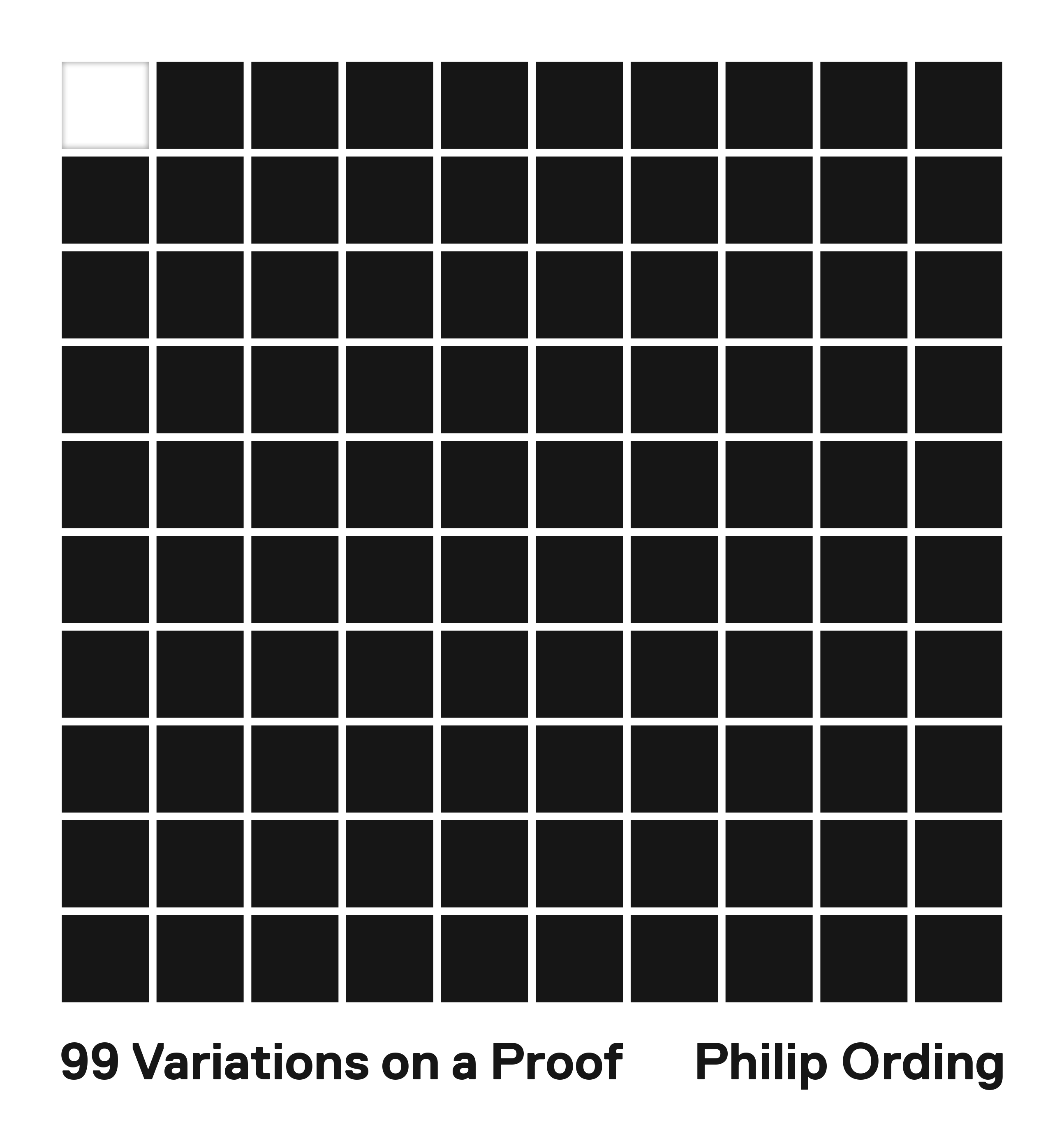
99 Variations on a Proof

How to Think Like a Mathematician
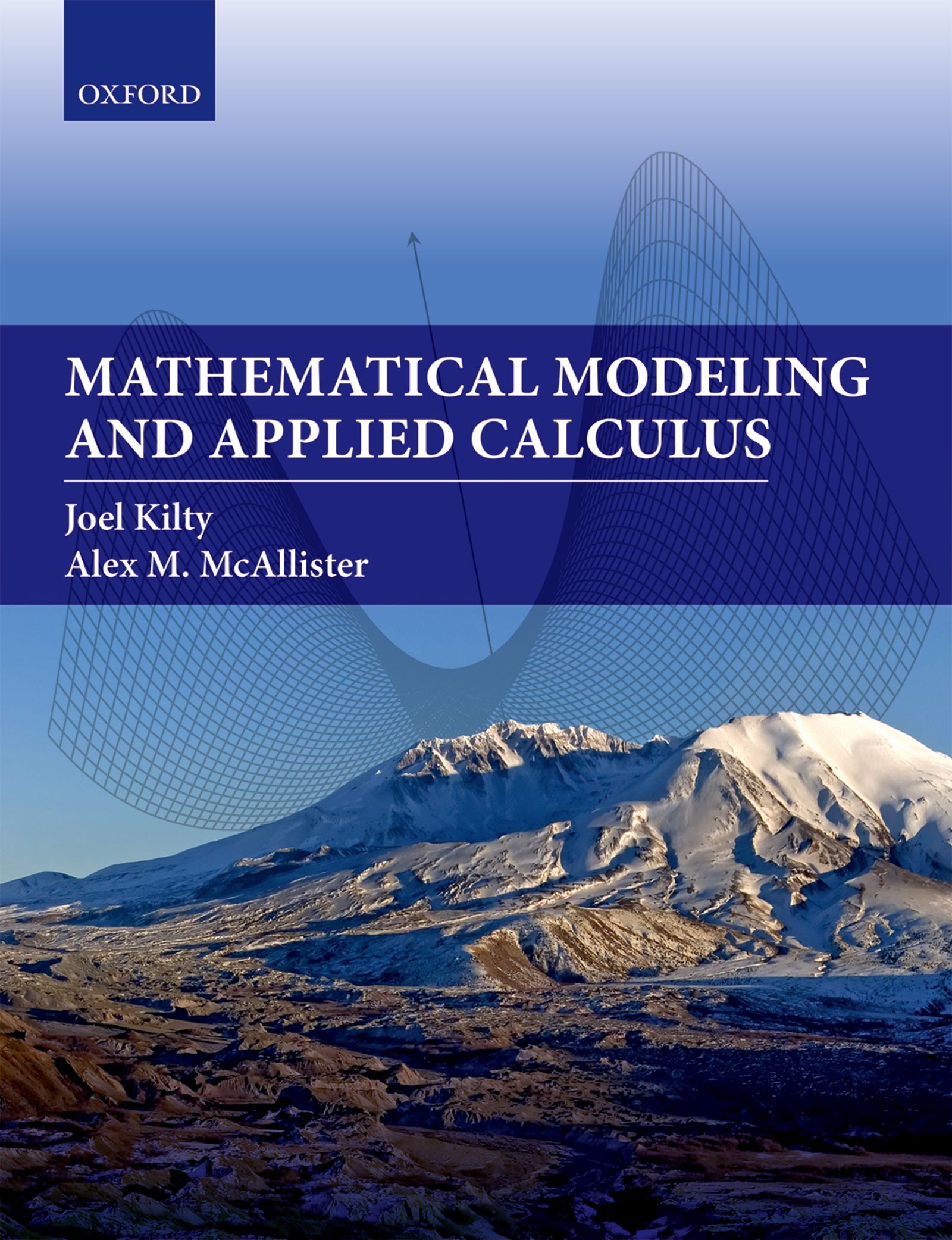
Mathematical Modeling and Applied Calculus

The Earliest Arithmetics in English

Trigonometry Essentials Practice Workbook with Answers
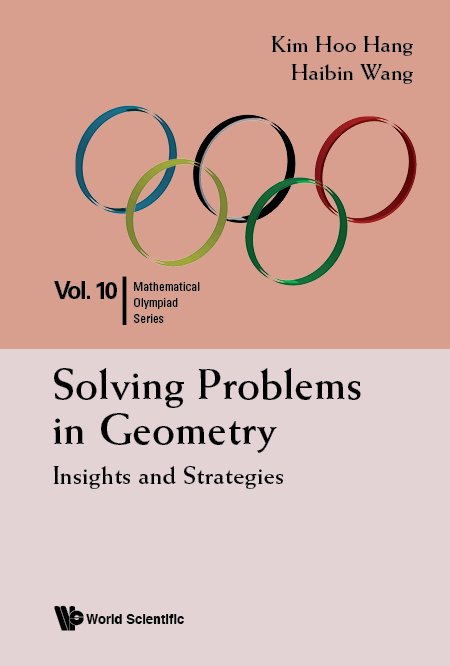
Solving Problems in Geometry
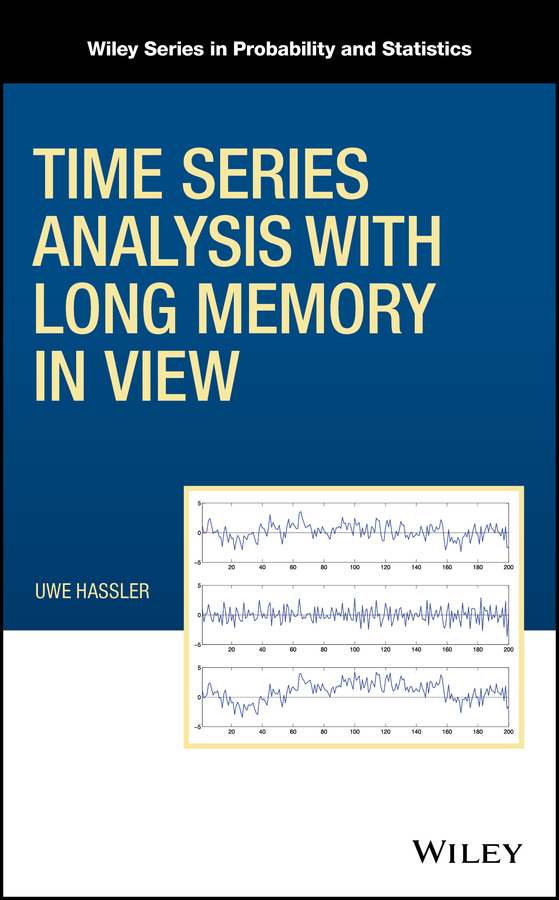
Time Series Analysis with Long Memory in View
College Placement Math Success in 20 Minutes a Day
Bayesian Inference for Stochastic Processes
College Algebra
Applied Linear Algebra
Intermediate Algebra & Analytic Geometry

The philosophy of mathematics

Introduction to Mathematical Philosophy
Set Theory An Introduction To Independence Proofs
Solutions Manual to accompany Fundamentals of Matrix Analysis with Applications
Orthogonal Polynomials and Painlevé Equations
Analyzing Longitudinal Clinical Trial Data

Settings
Reflow text when sidebars are open.
