
- Browse Category
Subjects
 We Begin at the EndLearn More
 - Choice Picks
- Top 100 Free Books
- Blog
- Recently Added
- Submit your eBook
- Browse Category
We Begin at the EndLearn More
- Choice Picks
- Top 100 Free Books
- Blog
- Recently Added
- Submit your eBook
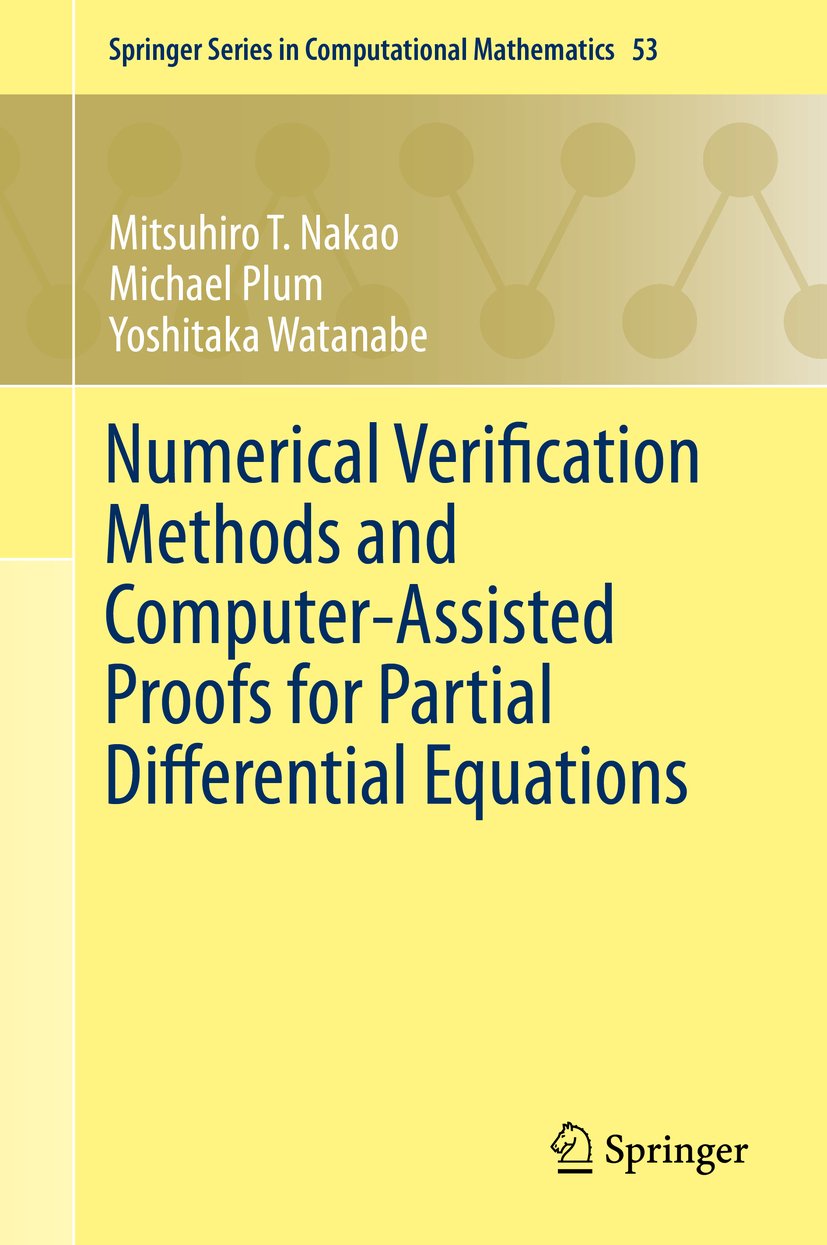
Numerical Verification Methods and Computer-Assisted Proofs for Partial Differential Equations
2020-04-20 10:51:25
In the last decades, various mathematical problems have been solved by computer-assisted proofs, among them the Kepler conjecture, the existence of chaos, the existence of the Lorenz attractor, the famous four-color problem, and more. In many cases, ...
Read more
In the last decades, various mathematical problems have been solved by computer-assisted proofs, among them the Kepler conjecture, the existence of chaos, the existence of the Lorenz attractor, the famous four-color problem, and more. In many cases, computer-assisted proofs have the remarkable advantage (compared with a “theoretical” proof) of additionally providing accurate quantitative information. The authors have been working more than a quarter century to establish methods for the verified computation of solutions for partial differential equations, mainly for nonlinear elliptic problems of the form -∆u=f(x,u,∇u) with Dirichlet boundary conditions. Here, by “verified computation” is meant a computer-assisted numerical approach for proving the existence of a solution in a close and explicit neighborhood of an approximate solution. The quantitative information provided by these techniques is also significant from the viewpoint of a posteriori error estimates for approximate solutions of the concerned partial differential equations in a mathematically rigorous sense. In this monograph, the authors give a detailed description of the verified computations and computer-assisted proofs for partial differential equations that they developed. In Part I, the methods mainly studied by the authors Nakao and Watanabe are presented. These methods are based on a finite dimensional projection and constructive a priori error estimates for finite element approximations of the Poisson equation. In Part II, the computer-assisted approaches via eigenvalue bounds developed by the author Plum are explained in detail. The main task of this method consists of establishing eigenvalue bounds for the linearization of the corresponding nonlinear problem at the computed approximate solution. Some brief remarks on other approaches are also given in Part III. Each method in Parts I and II is accompanied by appropriate numerical examples that confirm the actual usefulness of the authors’ methods. Also in some examples practical computer algorithms are supplied so that readers can easily implement the verification programs by themselves.
Less

Compare Prices
| Store | Availability | Book Format | Condition | Price |
|---|---|---|---|---|
| eBooks.com | In Stock | PDF (drm free, digitally watermarked) | PDF (drm free, digitally watermarked) | Buy USD 129.0 |
eBooks.comIn Stock
Format
PDF (drm free, digitally watermarked)
Condition
PDF (drm free, digitally watermarked)
Available Discount
No Discount available
Related Books
View All
Topics in Computational Number Theory Inspired by Peter L. Montgomery

The Earliest Arithmetics in English

The King of Infinite Space : Euclid and His Elements
Applied Linear Algebra
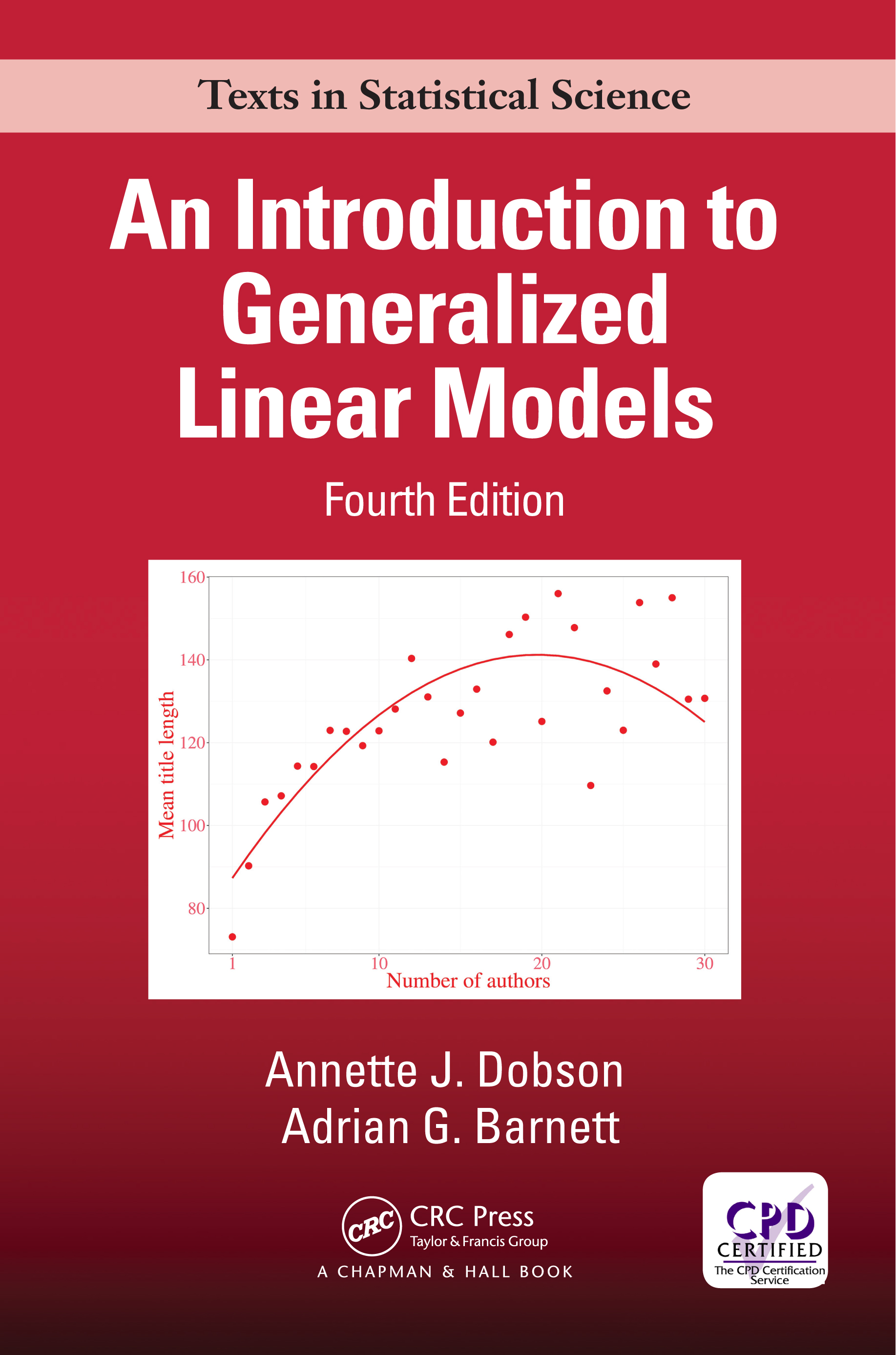
An Introduction to Generalized Linear Models

Probability
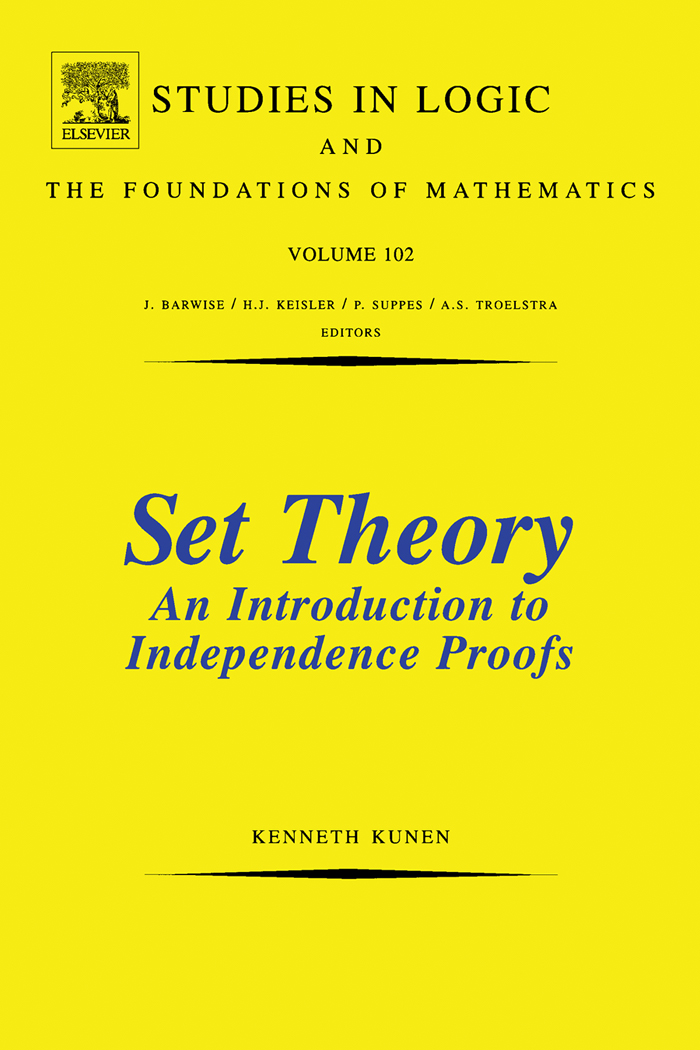
Set Theory An Introduction To Independence Proofs
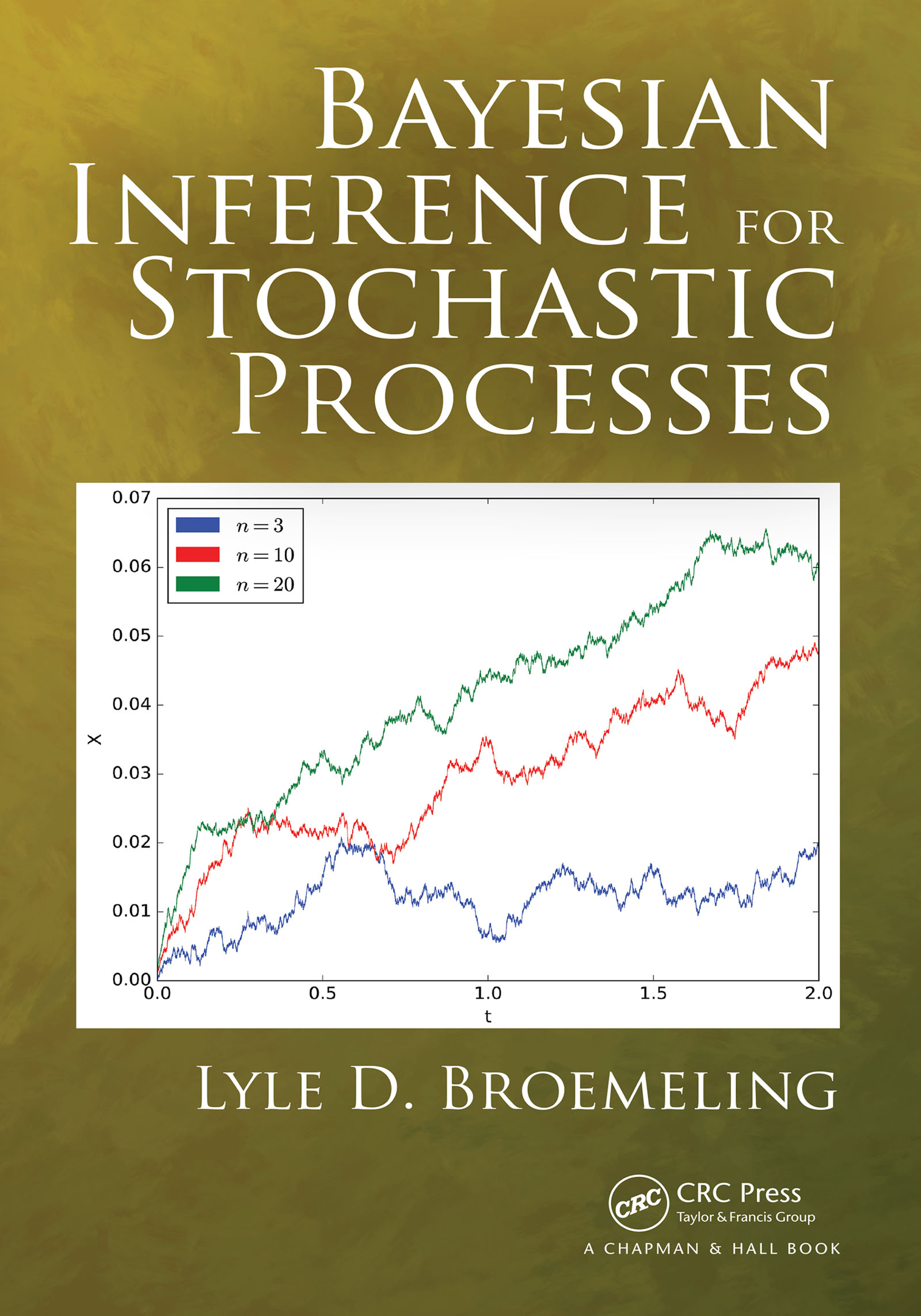
Bayesian Inference for Stochastic Processes

Introduction to Mathematical Philosophy

Solving Problems in Geometry
99 Variations on a Proof

Deductive Logic
Orthogonal Polynomials and Painlevé Equations

A Treatise on Probability
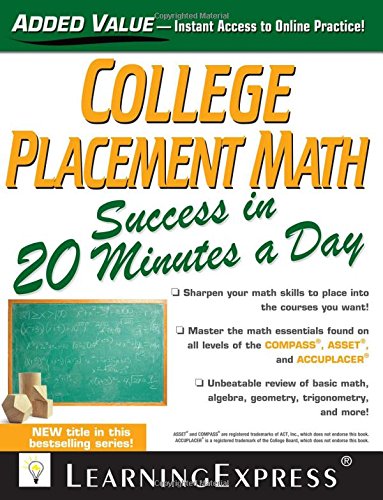
College Placement Math Success in 20 Minutes a Day
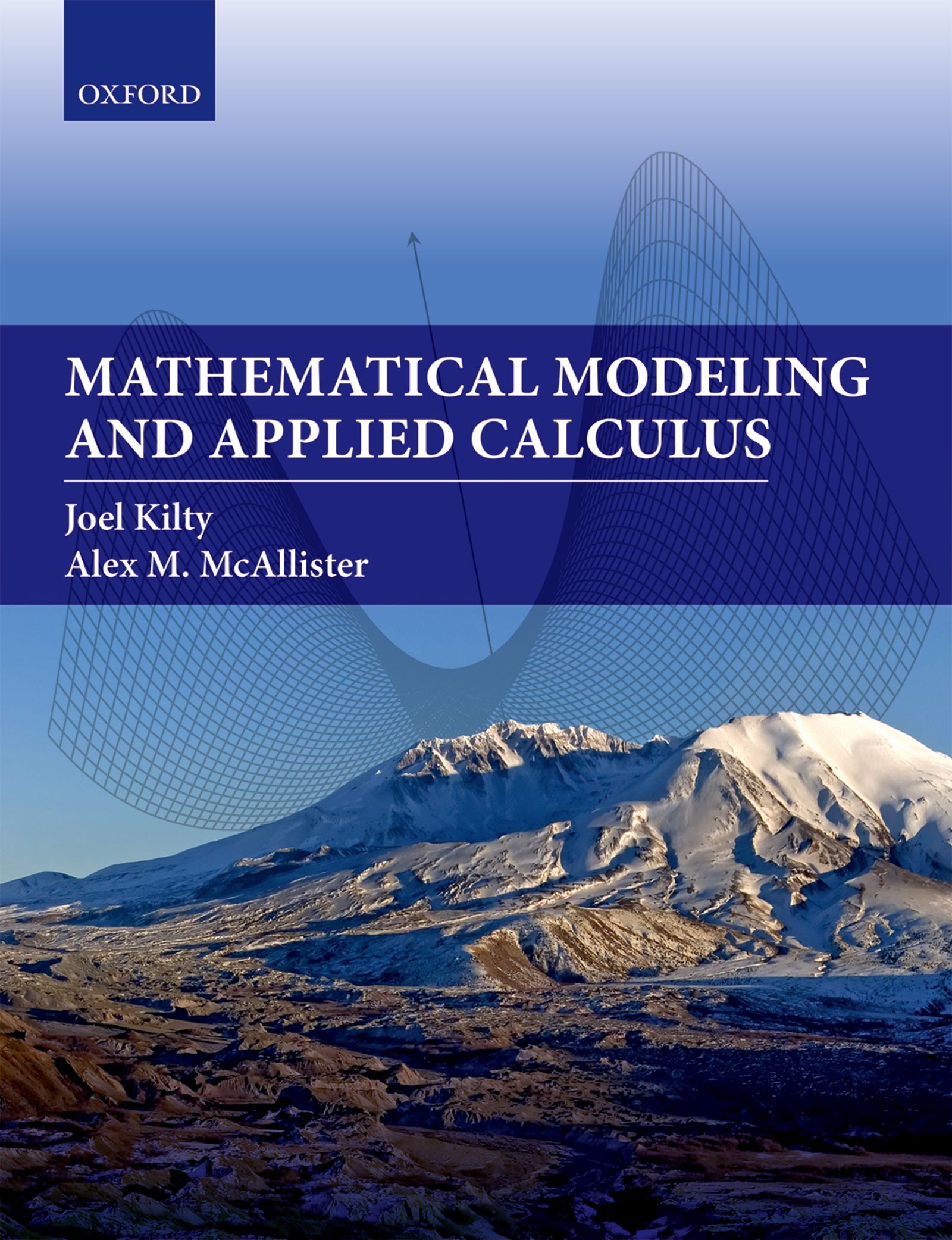
Mathematical Modeling and Applied Calculus
College Algebra

How to Think Like a Mathematician

The philosophy of mathematics
Introduction to Lie Groups and Lie Algebra, 51
Analyzing Longitudinal Clinical Trial Data
Solutions Manual to accompany Fundamentals of Matrix Analysis with Applications

Trigonometry Essentials Practice Workbook with Answers
Time Series Analysis with Long Memory in View
Intermediate Algebra & Analytic Geometry

Settings
Reflow text when sidebars are open.
