
- Browse Category
Subjects
 We Begin at the EndLearn More
 - Choice Picks
- Top 100 Free Books
- Blog
- Recently Added
- Submit your eBook
- Browse Category
We Begin at the EndLearn More
- Choice Picks
- Top 100 Free Books
- Blog
- Recently Added
- Submit your eBook

Sociability and Morality in Patricia Churchland's 'Braintrust'. An Introduction to Neurophilosophy
2021-01-25 04:39:04
Essay from the year 2014 in the subject Philosophy - Practical (Ethics, Aesthetics, Culture, Nature, Right, ...), grade: 10/10, , language: English, abstract: The aim of this paper is to rebuild the main hypothesis of Churchland's 'Braintrust' (2011)...
Read more
Essay from the year 2014 in the subject Philosophy - Practical (Ethics, Aesthetics, Culture, Nature, Right, ...), grade: 10/10, , language: English, abstract: The aim of this paper is to rebuild the main hypothesis of Churchland's 'Braintrust' (2011) postulating that the origins of sociability and morality lie in the neuro-biology of attachment and bonding. The author sides with Hume's conception of morality as grounded in sentiments but Churchland conceives them principally in biological terms by tracing them back to the neurocircuitry of the brain and hormones. Particularly, she puts forward the hypothesis that oxytocin (OXT) is the responsible for the social and moral behavior of mammals, including humans. By the end of this paper, we will address Churchland's criticism of the moral innateness thesis and we will briefly discuss the strong and weak points of her proposal.
Less
Compare Prices
| Store | Availability | Book Format | Condition | Price |
|---|---|---|---|---|
| Barnes & Noble | In Stock | NOOK Book | NOOK Book | Buy USD 17.95 |
| Walmart eBooks by Rakuten Kobo | In Stock | Buy USD 17.09 |
Available Discount
No Discount available
Related Books
View All
The Quakers, Past and Present

The Evolution of the Idea of God: An Inquiry Into the Origin of Religions
.jpg)
Pantheism Its Story and Significance

A Theory of Creation

Ten Great Religions: An Essay in Comparative Theology

The Spirit of Christmas

The Government of God

Pagan and Christian Creeds Their Origin and Meaning

A Comparative View of Religions
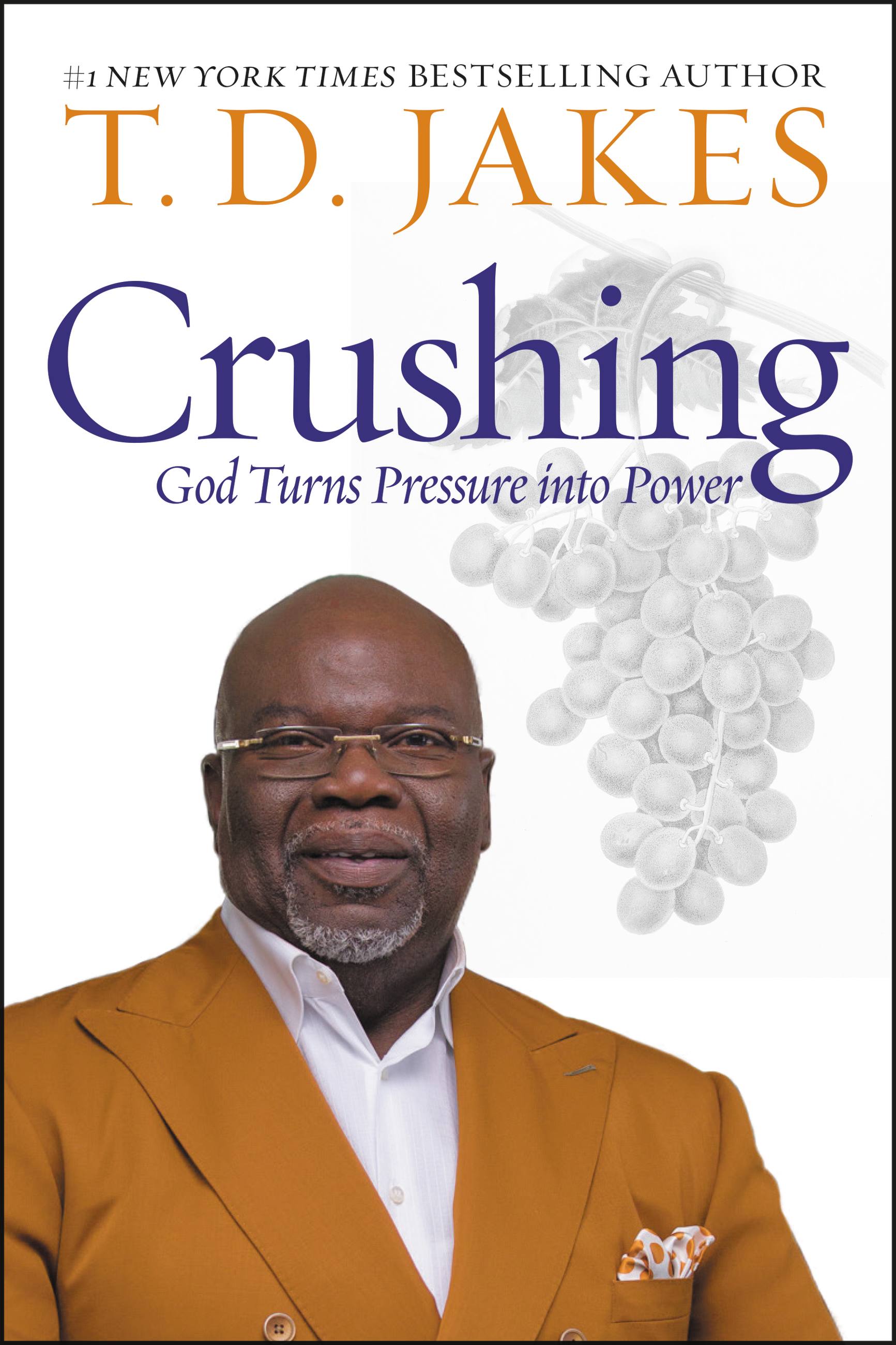
Crushing: God Turns Pressure into Power

The Bible Unveiled
Hinduism and Buddhism: An Historical Sketch (3 Vols.)
.jpeg)
The Origin of Our Knowledge of Right and Wrong (Routledge Revivals)

Bygone Beliefs Being a Series of Excursions in the Byways of Thought

The Missouri Persecutions

Rational Theology; As Taught by the Church of Jesus Christ of Latter-Day Saints

The Mormon Doctrine of Deity, the Roberts-Van Der Donckt Discussion, to Which Is Added a Discourse, Jesus Christ: The Revelation of God

Jesus the Christ: A Study of the Messiah and His Mission According to Holy Scriptures Both Ancient and Modern
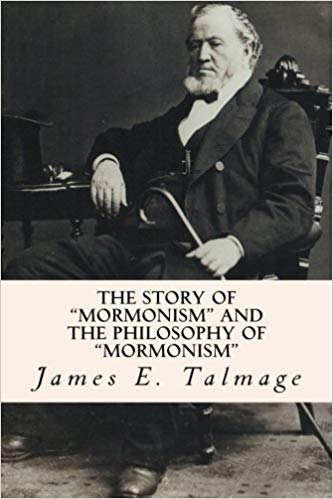
Story of Mormonism & the Philosophy of Mormonism

Twenty-Four Discourses on Some of the Important and Interesting Truths, Duties and Institutions of the Gospel, and the General Excellency of the ... Particularly for the Benefit of Piou

Twelve Studies on the Making of a Nation The Beginnings of Israel's History

A New Witness for God (Volume 1 of 3)

President Heber C. Kimball's Journal: Designed for the Instruction and Encouragement of Young Latter-Day Saints...

The Religious Life of the Zuñi Child

History of the Prophet Joseph By His Mother

Settings
Reflow text when sidebars are open.
