
- Browse Category
Subjects
 We Begin at the EndLearn More
 - Choice Picks
- Top 100 Free Books
- Blog
- Recently Added
- Submit your eBook
- Browse Category
We Begin at the EndLearn More
- Choice Picks
- Top 100 Free Books
- Blog
- Recently Added
- Submit your eBook
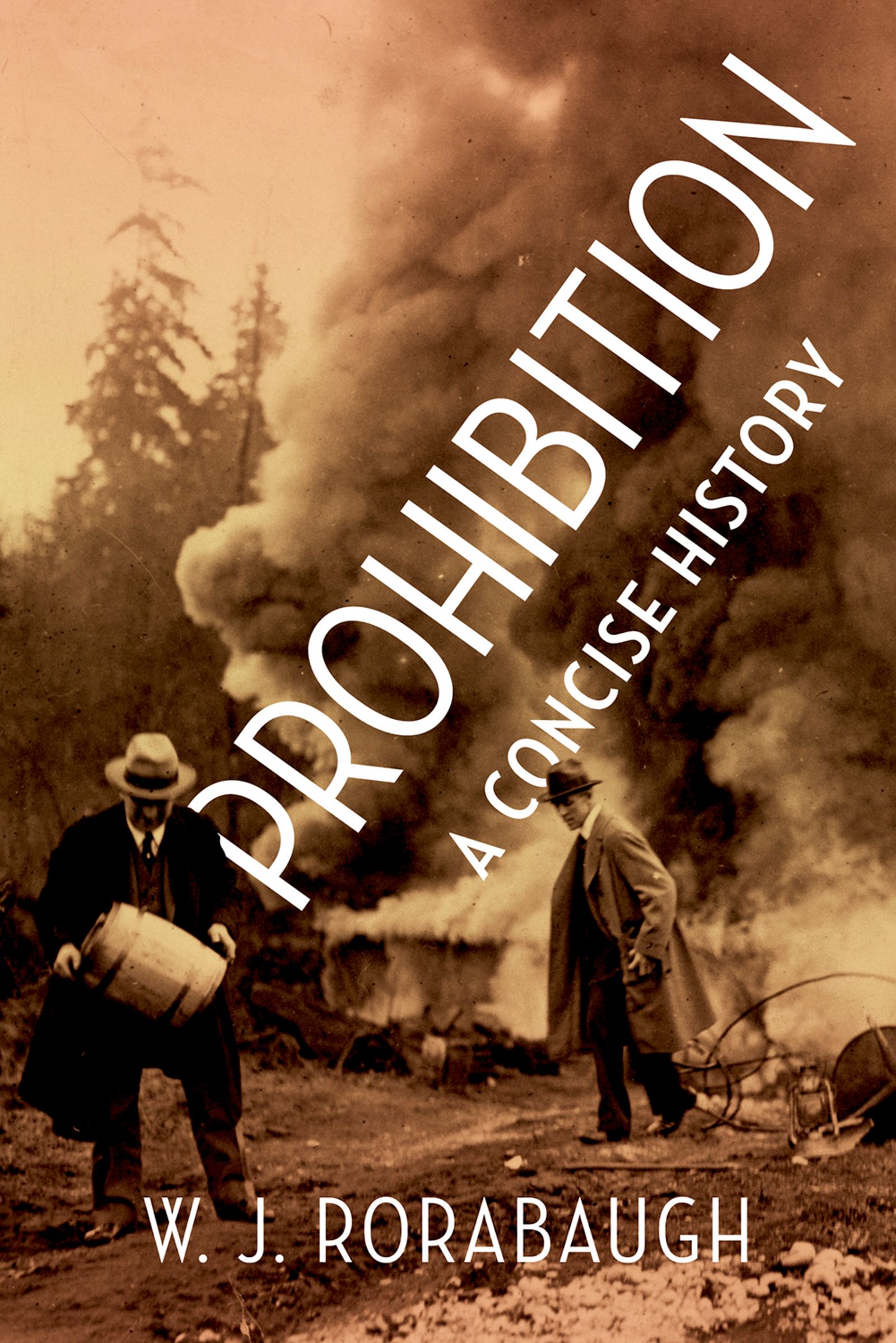
Prohibition
2020-03-20 15:23:08
Americans have always been a hard-drinking people, but from 1920 to 1933 the country went dry. After decades of pressure from rural Protestants such as the hatchet-wielding Carry A. Nation and organizations such as the Women''s Christian Temperance U...
Read more
Americans have always been a hard-drinking people, but from 1920 to 1933 the country went dry. After decades of pressure from rural Protestants such as the hatchet-wielding Carry A. Nation and organizations such as the Women''s Christian Temperance Union and Anti-Saloon League, the statesratified the Eighteenth Amendment to the Constitution. Bolstered by the Volstead Act, this amendment made Prohibition law: alcohol could no longer be produced, imported, transported, or sold. This bizarre episode is often humorously recalled, frequently satirized, and usually condemned. The moreinteresting questions, however, are how and why Prohibition came about, how Prohibition worked (and failed to work), and how Prohibition gave way to strict governmental regulation of alcohol. This book answers these questions, presenting a brief and elegant overview of the Prohibition era and itslegacy.During the 1920s alcohol prices rose, quality declined, and consumption dropped. The black market thrived, filling the pockets of mobsters and bootleggers. Since beer was too bulky to hide and largely disappeared, drinkers sipped cocktails made with moonshine or poor-grade imported liquor. Theall-male saloon gave way to the speakeasy, where together men and women drank, smoked, and danced to jazz.After the onset of the Great Depression, support for Prohibition collapsed because of the rise in gangster violence and the need for revenue at local, state, and federal levels. As public opinion turned, Franklin Delano Roosevelt promised to repeal Prohibition in 1932. The legalization of beer camein April 1933, followed by the Twenty-first Amendment''s repeal of the Eighteenth that December. State alcohol control boards soon adopted strong regulations, and their legacies continue to influence American drinking habits. Soon after, Bill Wilson and Dr. Bob Smith founded Alcoholics Anonymous(AA). The alcohol problem had shifted from being a moral issue during the century to a social, cultural, and political one during the campaign for Prohibition, and finally, to a therapeutic one involving individuals. As drinking returned to pre-Prohibition levels, a Neo-Prohibition emerged, led bygroups such as Mothers against Drunk Driving, and ultimately resulted in a higher legal drinking age and other legislative measures.With his unparalleled expertise regarding American drinking patterns, W. J. Rorabaugh provides an accessible synthesis of one of the most important topics in US history, a topic that remains relevant today amidst rising concerns over binge-drinking and alcohol culture on college campuses.
Less

Compare Prices
| Store | Availability | Book Format | Condition | Price |
|---|---|---|---|---|
| eBooks.com | In Stock | Buy GBP 9.74 | ||
| Indigo Books & Music | In Stock | Hard Cover | Hard Cover | Buy CAD 36.98 |
| Indigo Books & Music | In Stock | Buy CAD 11.95 |
Available Discount
No Discount available
Related Books
View All
The Battle of Talavera

Some Cities and San Francisco and Resurgam

Slavery in History

From Xylographs to Lead Molds; A.D. 1440-A.D. 1921

Russian Aces of World War 1

The Principles of Leather Manufacture

Discovering the Hidden Listener

Harper's Round Table, October 1, 1895

Croquis Parisiens; A Vau-l'Eau; Un Dilemme

The Birth and Babyhood of the Telephone

La Cour de Lunéville au XVIIIe siècle / Les marquises de Boufflers et du Châtelet, Voltaire, Devau, Saint-Lambert, etc.

Palestine Diaries

The Huntress

A Description of Greenland

Napoleon

The Doctor's Secret Journal

The Legends of the Iroquois, Told by the Cornplanter

The Russian Revolution and the Baltic Fleet

Trivia

6000 Tons of Gold

Blackwood's Edinburgh Magazine

Vanished Towers and Chimes of Flanders

The Dates of Variously-Shaped Shields With Coincident Dates and Examples

The Birth of Civilization in the Near East
.jpg)
De Latino Sine Flexione; Principio De Permanentia

Settings
Reflow text when sidebars are open.
